
Front Load Washer Cleaning: How They Use Less Water
Front load washers clean effectively with less water because they rely on a combination of tumbling action and a concentrated detergent solution. Instead of submerging clothes in a large tub of water, they use gravity to drop clothes into a small amount of water at the bottom. This process allows for a more efficient and thorough clean using less H2O.
This innovative approach not only saves water but also helps your clothes last longer. The reduced water usage means less energy is needed to heat the water. Many models are designed with advanced spray technologies to further boost cleaning power. You’ll find they can handle large loads while still being gentle on fabrics.
- Front loaders use tumbling to clean clothes.
- Less water means better for your clothes.
- They also use less energy for heating water.
- Special spray actions help lift dirt.
- More efficient cleaning overall.
Let’s walk through exactly how this tumbling, low-water magic happens step by step.
How Front Loaders Tackle Laundry with Less Water
You might be wondering how a washing machine can possibly get your clothes clean when it’s not sloshing around in a giant pool of water. It seems counterintuitive, right? Well, front-loaders have a clever system that works wonders. They rely on gravity and a special kind of action to lift dirt away.
The Tumbling Action: Your Clothes’ Gym Workout
Think of your washing machine drum as a gentle gymnast. Your clothes don’t soak in water; they tumble. As the drum rotates, it lifts your clothes up and then drops them back into a small amount of water at the bottom. This constant lifting and dropping action is called tumbling.
This movement helps to agitate the fabrics. It separates the clothes and allows the water and detergent to reach all surfaces. It’s like shaking out a dusty rug – the motion helps dislodge particles. This method is surprisingly effective at loosening soil and stains from your garments.
Water and Detergent: A Concentrated Power Duo
Front-load washers use a lower water level by design. This means the water you use becomes more concentrated with detergent. This concentrated solution is powerful. It can break down grease and grime more efficiently.
Imagine trying to clean a dirty plate with just a tiny splash of water versus filling the sink. The sink is more effective, but a front-loader uses a smaller, more potent “splash.” The tumbling action ensures this concentrated mix gets everywhere it needs to be. This dual action of focused detergent and agitation is key.
Why Less Water Can Mean More Clean
It might sound odd, but less water can actually lead to a more thorough clean. When clothes are submerged in a lot of water, they can move around freely without much friction. This can prevent the detergent from working as deeply into the fibers.
With less water, the clothes rub against each other more during the tumble. This friction, combined with the concentrated detergent, helps scrub away dirt more effectively. It’s a bit like scrubbing a stain with your fingers versus just letting it sit in water. The direct contact matters.
Advanced Water Distribution Systems
Many modern front-load washers go a step further. They use special spray nozzles. These nozzles spray water and detergent directly onto the clothes. This is often called a shower or spray rinse system. It ensures even saturation.
These spray systems help pre-wet the clothes. They also help rinse away the detergent more effectively. This means fewer soap residues are left behind. You get a cleaner garment and a cleaner machine. Many manufacturers boast about these technologies in their product descriptions.
Energy Savings: A Happy Side Effect
Using less water also means your washing machine uses less energy. A significant portion of a washing machine’s energy consumption comes from heating the water. Heating a smaller amount of water requires less electricity or gas. This can lead to noticeable savings on your utility bills over time.
The U.S. Department of Energy reports that water heating is the second largest energy expense in most homes. By reducing the amount of hot water used, you’re directly cutting down on this cost. It’s a win for your wallet and a win for the planet.
Gentle on Fabrics: Preserving Your Wardrobe
The reduced water level and gentler tumbling action contribute to less wear and tear on your clothes. Top-load washers with agitators can be quite harsh on fabrics. They can cause stretching and snagging.
Front-loaders are designed to be much gentler. The tumbling action moves clothes in a way that mimics hand washing. This helps your clothes maintain their shape and color for longer. It’s one reason why many people find their favorite garments last longer when washed in a front-loader.
Understanding the Wash Cycle in a Front Loader
Let’s break down what actually happens from start to finish. It’s a well-orchestrated process designed for efficiency.
Filling and the Initial Soak
The cycle begins with the machine filling a small amount of water into the drum. This water pools at the bottom. Your clothes are then lifted by the rotating drum and dropped into this water. This is the initial wetting phase.
The Main Wash: Tumble, Spray, and Agitate
Here’s where the magic happens. The drum starts to tumble. Clothes are lifted and dropped. Simultaneously, the detergent is introduced. Many machines will spray water and detergent mixture over the tumbling clothes. This ensures even distribution.
This constant motion helps the detergent penetrate the fabric. It works on the stains and dirt. The mechanical action of the clothes rubbing together also aids in cleaning. It’s a combination of chemical action from the detergent and physical action from the tumbling.
The Rinse Cycles: Getting the Soap Out
After the wash, the dirty, soapy water is drained. Then, the machine refills with clean water. The tumbling action is repeated, but this time with just clean water. This is the rinse cycle. Its job is to remove all the loosened dirt and detergent.
Most front-loaders have multiple rinse cycles. This is important because residual detergent can irritate skin. It can also attract more dirt. The spray rinse systems are very effective here. They ensure thorough removal of any soapy residue.
The Spin Cycle: Removing Excess Water
Finally, the spin cycle comes into play. The drum spins at a very high speed. This centrifugal force pushes the water out of your clothes and through the holes in the drum. Your clothes come out damp, not soaking wet. This drastically reduces drying time, whether you use a dryer or hang them up.
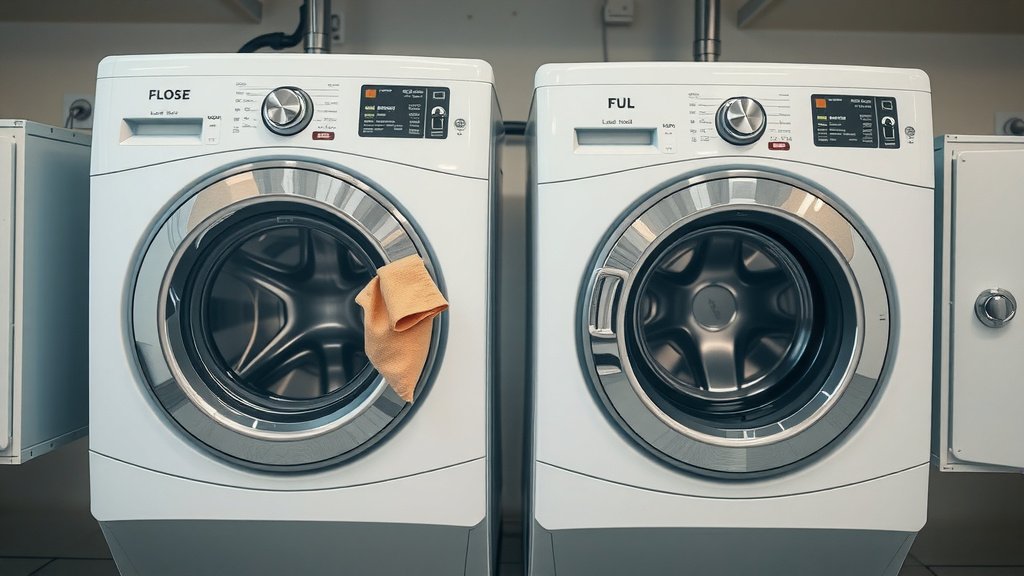
Key Benefits of Low-Water Washing
So, what does this all mean for you and your laundry routine? You’re getting a lot of bang for your buck, or rather, your water usage.
Environmental Friendliness
Using less water is a significant environmental benefit. It conserves a precious resource. Many communities face water restrictions, so efficient appliances are increasingly important. Front-loaders are a great choice for water conservation.
Cost Savings
As mentioned, lower energy bills are a direct result of less hot water being used. But there’s more. Many front-loaders are also more energy-efficient overall. They use less electricity to run the motor for the same cleaning result.
Better Fabric Care
Your clothes will likely look newer for longer. The gentle washing action preserves the integrity of the fabric fibers. This means less pilling, fading, and stretching.
Larger Load Capacity
Despite using less water, front-load washers often have larger capacities. The absence of a central agitator means more space for clothes. You can wash bigger loads, meaning fewer trips to the laundry room.
Here’s a quick checklist to remember the advantages:- Water Conservation: Uses significantly less H2O.
- Energy Efficiency: Lower utility bills from less hot water.
- Gentle Cleaning: Extends the life of your clothes.
- Effective Soil Removal: Concentrated detergent works harder.
- Reduced Drying Time: Clothes come out less wet.
- Larger Capacity: Wash more in a single load.
Conclusion
You now understand how front-load washers achieve a powerful clean using remarkably little water. It’s all thanks to their clever combination of tumbling action, concentrated detergent, and advanced spray technologies. This method not only lifts dirt effectively but also conserves water and energy. Plus, it’s gentler on your clothes, helping them last longer.
Ready to experience these benefits? Consider upgrading your laundry routine to a front-load washer for a more efficient, eco-friendly, and fabric-friendly clean.
Frequently Asked Questions
Do front load washers actually get clothes clean with so little water?
Yes, they absolutely do. The tumbling action lifts clothes and drops them into a concentrated detergent solution, creating friction that dislodges dirt. Advanced spray systems further ensure water and detergent reach every fiber for a thorough clean.
Is the tumbling action rough on my clothes?
No, the tumbling action is designed to be gentle, similar to hand washing. It separates clothes and allows the water and detergent to work without the harshness of a central agitator found in some other washer types.
How does less water lead to better cleaning?
With less water, the detergent becomes more concentrated, making it more potent at breaking down stains and grime. The physical action of clothes rubbing against each other during tumbling also helps scrub away dirt more effectively.
Do front loaders use less energy for washing?
Yes, using less water significantly reduces energy consumption, especially for heating the water, which is a major energy expense. Modern front-loaders are also designed for overall energy efficiency in their motor and electronics.
Why do my clothes come out less wet after a front load wash?
The high-speed spin cycle at the end of a front-load wash is extremely effective at extracting water from your clothes. This centrifugal force pushes water out through the drum’s holes, leaving clothes damp rather than soaking wet, which cuts down on drying time.
![7 Best Cheap Stackable Washer Dryer [In 2026]](https://homeunderstandable.com/wp-content/uploads/2026/09/7-best-cheap-stackable-washer-dryer-in-2026-featured-768x432.jpg)


![7 Best Top Load Washing Machine Price [In 2026]](https://homeunderstandable.com/wp-content/uploads/2026/09/7-best-top-load-washing-machine-price-in-2026-featured-768x432.jpg)