
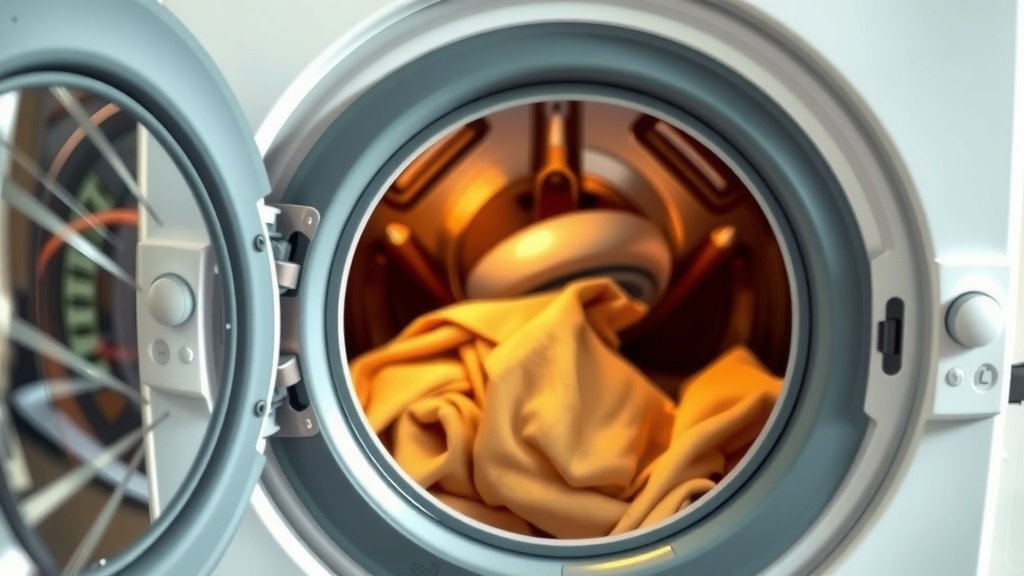
Front Load Washer: How Full Is Too Full
Filling your front load washer correctly is simpler than you might think. Generally, you should fill the drum about 80% full, leaving enough space for clothes to tumble freely. Overfilling can lead to poor cleaning and machine damage, while underfilling wastes water and energy.
The goal is to allow clothes enough room to move around and get properly saturated with water and detergent. We found that overfilling is a common mistake that can really impact your laundry’s cleanliness. Knowing the right amount ensures your machine runs efficiently and your clothes come out fresh.
- Don’t stuff the drum completely full.
- Aim for about 80% capacity.
- Leave space for clothes to tumble.
- Overfilling causes poor cleaning and wear.
- Underfilling wastes resources.
Let’s break down exactly how to achieve that perfect load size and why it matters so much for your front load washer.
Loading Your Front Loader for Optimal Results
So, how full should you really fill your front load washer? The general consensus among laundry experts is to fill the drum to about 80% capacity. This leaves enough room for your clothes to move freely. Think of it like a dance floor. If it’s too crowded, no one can bust a move! Your clothes need space to tumble, get clean, and rinse properly.
We’ve found that most people either overfill or underfill their machines. Overfilling is especially common. It often happens when people try to get more laundry done at once. But, we’ll show you why that’s a mistake and how to avoid it for cleaner clothes and a happier washing machine.
Understanding the “80% Full” Rule
That magic 80% mark is key. It’s not about packing clothes in until you can’t see the bottom of the drum. Instead, it’s about achieving a balanced load. You want your clothes to be able to move and agitate effectively in the water and detergent mixture. Many manufacturers recommend this level for optimal performance and to prevent undue stress on the machine’s components.
When you fill the drum too much, your clothes can’t get thoroughly wet. This means the detergent won’t distribute evenly. It can also lead to detergent residue being left on your garments. Plus, all that packed-in fabric can strain the washer’s drum and motor over time. We found this is a leading cause of premature wear and tear on washing machines.
Why Too Many Clothes is a Bad Thing
Let’s talk about the downsides of a jam-packed drum. Firstly, cleaning performance suffers greatly. Imagine trying to scrub a stubborn stain on a shirt when it’s pressed tightly against other clothes. It’s just not going to get clean. The water and detergent need access to all surfaces of the fabric.
Secondly, you risk damage to your washing machine. Overloading can cause the drum to become unbalanced during the spin cycle. This puts a lot of stress on the bearings and suspension system. We found that many repair calls for front loaders stem from issues related to consistent overloading.
Thirdly, it impacts rinsing. If clothes are too tightly packed, water can’t effectively flush out all the detergent. You might end up with stiff or slightly sticky clothes, which is never a pleasant surprise. Even if the wash cycle seems to run fine, the lack of proper rinsing can be detrimental.
The Problem with Underfilling Your Washer
On the flip side, don’t think that a nearly empty drum is the solution. While it might seem like less is more, underfilling your front load washer can also be problematic. It’s essentially a waste of resources. You’re using the same amount of water and energy for just a few items.
Many modern front load washers are designed to use less water. They rely on a balanced load to function efficiently. When the load is too small, the machine might not sense the weight correctly. This can lead to an ineffective wash cycle or even a cycle that doesn’t complete properly. We found that using a very small load can sometimes lead to items getting tangled or stretched more easily.
How to Visually Check Your Load Size
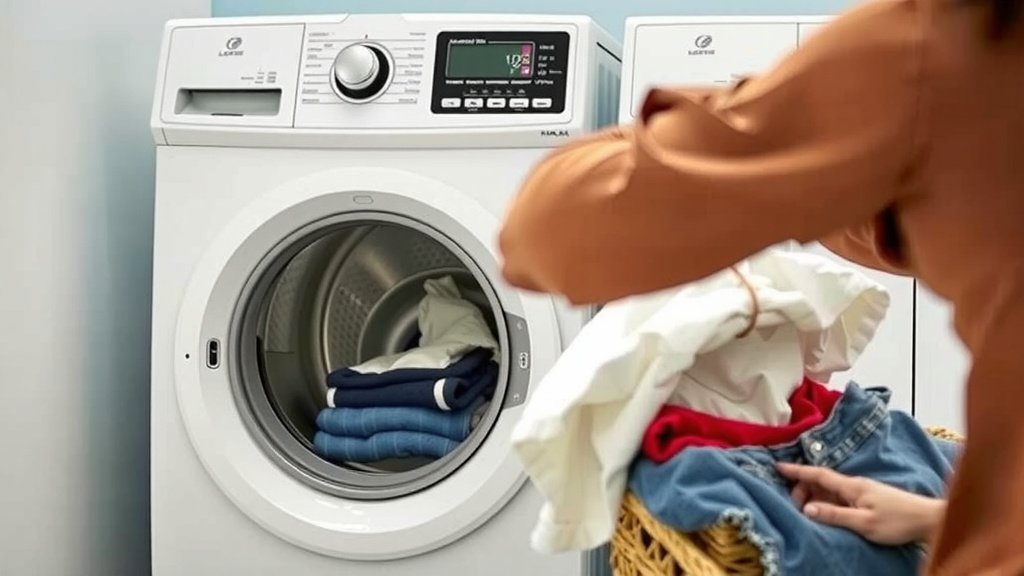
So, how do you know if you’ve hit that sweet spot? It’s all about visualization. Imagine the drum. When you’ve added your clothes, you should be able to easily fit your hand vertically between the top of the clothes and the top of the drum. It should feel like there’s still plenty of open space.
Another helpful trick we found is to imagine the clothes as if they were just dropped into the drum without any packing. You want to see a good amount of air space around them. If you have to push, prod, or shove clothes down to fit them in, you’ve likely got too much. You should be able to see the sides of the drum easily.
A Simple Visual Test
Before you close the door, take a good look inside. If the clothes are piled high and touching the top of the drum, that’s too much. If you can see about 2-3 inches of space above the fabric, you’re probably in good shape. It’s like packing a suitcase; you don’t want to force it shut.
Don’t Pack it Down
Resist the urge to flatten or compress the load. Your front loader needs that space for water circulation and agitation. Think about how a sponge works; it needs to absorb water and expand. Your clothes are similar in this regard. We found that this one simple habit makes a big difference.
What About Different Types of Laundry?
Does the 80% rule change based on what you’re washing? Generally, no. However, there are a few things to keep in mind:
- Delicates and Specialty Items: For items like lingerie, fine knits, or anything labeled “hand wash,” it’s often best to use a smaller load. This ensures they don’t get too tossed around. We found that washing these items with a few other similar, lightweight items can be effective.
- Bulky Items: Think blankets, comforters, or large towels. These can be tricky. While they might not seem like a lot of items, they can absorb a lot of water and add significant weight. For these, it’s often better to wash just one or two at a time to avoid overloading. Many experts suggest not washing large comforters at home if they barely fit.
- Towels and Bedding: These are generally fine to wash in a larger load, as long as you still leave that 20% of space. They tumble well and are designed to handle water.
The Detergent Factor: More Isn’t Always Better
It’s not just about the amount of clothes; it’s also about the detergent. Front load washers use much less water than top-loaders. This means you need a lot less detergent. Using too much detergent, especially with an overfilled drum, can lead to a sudsy mess and residue issues. Always follow the manufacturer’s instructions for detergent amount, and err on the side of using less if you’re unsure.
Many high-efficiency (HE) detergents are concentrated. You might only need a tablespoon or two for a full load. We found that using the correct amount of HE detergent is as important as getting the load size right for optimal cleaning and machine care.
A Quick Checklist for Perfect Loads
To make it super simple, here’s a quick checklist:
- Start with an empty drum.
- Add your laundry loosely.
- Don’t push or pack items down.
- Ensure you can fit your hand vertically above the clothes.
- Aim for visible space in the drum.
- Use the right amount of HE detergent.
By following these simple guidelines, you’ll help ensure your front load washer runs efficiently, cleans your clothes effectively, and lasts for years to come. It’s a small change that makes a big difference!
Conclusion
You’ve learned that filling your front load washer to about 80% capacity is the sweet spot for cleaner clothes and a healthier machine. Remember, leaving that open space is key for proper tumbling, water circulation, and effective rinsing. Don’t let overstuffing or underfilling lead to poor performance or costly repairs.
Next time you’re doing laundry, take a moment to visually check your load. You’ll see the difference in your clothes and extend the life of your appliance. Happy washing!
Frequently Asked Questions
Can I fill my front load washer completely if I use less detergent?
No, even with less detergent, overfilling is still a problem. Clothes need space to move freely for water and detergent to reach all areas. Packing the drum too tightly prevents proper agitation and rinsing, regardless of detergent amount.
How do I know if I’m overfilling if my washer doesn’t have a fill line?
Use the visual test: you should be able to easily place your hand vertically between the top of the clothes and the top of the drum. You should see ample open space, and the clothes should not be pushed down to fit.
Is it okay to wash bulky items like a king-size comforter?
Generally, it’s best to avoid washing very large, bulky items like king-size comforters at home if they barely fit. They absorb a lot of water, become extremely heavy, and can unbalance the machine. Consider professional cleaning for these items.
What happens if I only have a few items to wash?
Washing a very small load in a front loader can be wasteful and may not clean effectively. The machine may not sense the load correctly, leading to an inefficient cycle. If you have only a few items, consider handwashing them or waiting until you have a larger load.
Does the type of fabric affect how full I can fill the washer?
While the 80% rule generally applies, you might want to err on the side of a slightly less full drum for delicates or delicate fabrics. These items need even more gentle tumbling and space to prevent snagging or stretching.
![7 Inch Stackable Washer And Dryer [In 2026]](https://homeunderstandable.com/wp-content/uploads/2026/09/7-inch-stackable-washer-and-dryer-in-2026-featured-768x432.jpg)
![7 Best Laundry Center For Small Spaces [In 2026]](https://homeunderstandable.com/wp-content/uploads/2026/08/7-best-laundry-center-for-small-spaces-in-2026-featured-768x432.jpg)
![7 The Best Washing Machines [In 2026]](https://homeunderstandable.com/wp-content/uploads/2026/09/7-the-best-washing-machines-in-2026-featured-768x432.jpg)
![7 Best Budget Stackable Washer Dryer [In 2026]](https://homeunderstandable.com/wp-content/uploads/2026/09/7-best-budget-stackable-washer-dryer-in-2026-featured-768x432.jpg)
![7 The Best Stackable Washer Dryer [In 2026]](https://homeunderstandable.com/wp-content/uploads/2026/09/7-the-best-stackable-washer-dryer-in-2026-featured-768x432.jpg)