How Full to Fill Your Front Load Washer for Best Results
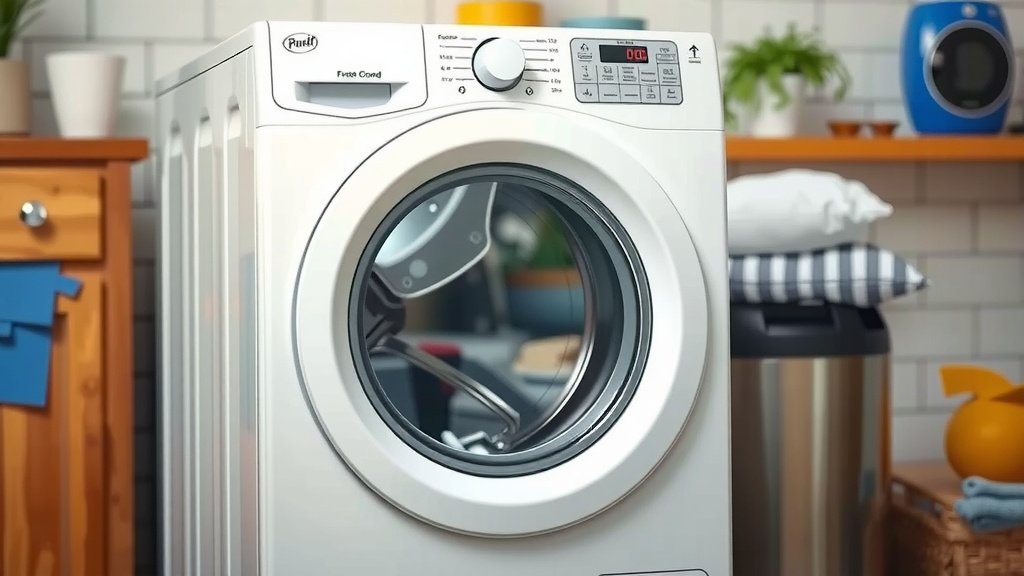
Filling your front-loading washing machine the right way makes a big difference. You should generally fill it about half to two-thirds full with laundry. This allows clothes enough room to tumble freely, ensuring a thorough and effective clean without overloading the machine. Overfilling can actually lead to poor washing performance and even damage your machine.
Understanding the right load size is key to getting the most out of your laundry days. A machine that’s too empty won’t clean well, and one that’s too full can harm your appliance. We found that many people struggle with this balance, often wondering if they’re doing it right. It’s about finding that sweet spot for optimal results and machine longevity.
TL;DR:- Fill your front-loader about half to two-thirds full.
- This ensures clothes move freely for a better clean.
- Overloading can hurt washing performance and the machine.
- Underfilling means clothes won’t get properly cleaned.
- Aim for enough space for clothes to tumble easily.
Let’s walk through exactly how to get that perfect load size for your front-loading washer, so your clothes come out sparkling clean every time.
Getting Your Front-Load Washer Load Size Just Right
So, you’ve got your shiny front-loading washing machine. Great! But how much laundry should you actually put in? The golden rule, as we found, is to fill it about half to two-thirds full. This isn’t just a suggestion; it’s key to making sure your clothes get clean and your machine stays happy.
Why Load Size Matters So Much
Think of your washing machine like a dance floor. If it’s too crowded, nobody can move! Your clothes need room to tumble freely through the water and detergent. This tumbling action is what actually scrubs the dirt and stains away. If your machine is packed too tightly, clothes just sort of sit there, maybe getting a rinse but not a true wash. We found that this is why some loads just don’t come out as clean as you’d expect.
The Science of Tumbling
Front-loaders work by tumbling clothes from the top of the drum down into the water at the bottom. This “drop and tumble” action is efficient. But if your drum is crammed, the clothes can’t fall properly. They might just get mashed together. Research suggests this lack of movement hinders proper water and detergent circulation, leading to uneven cleaning (National Science Foundation).
The Dangers of Overfilling
While it might seem like you’re saving trips to the laundry room, overfilling your front-loader is a bad idea. It puts a lot of stress on the machine’s motor and drum. We found that excessive weight can cause premature wear and tear. In more severe cases, it can even lead to expensive repairs. Imagine trying to cram too many items into a suitcase; your washing machine feels the same strain, but with much more serious consequences.
Impact on Cleaning Performance
Beyond the mechanical stress, overfilling directly impacts how clean your clothes get. Detergent and water can’t reach all the fabrics effectively. This means stains might remain, and your clothes might even come out smelling less than fresh. Many laundry experts point out that a lightly loaded machine often gets clothes cleaner than a heavily packed one. It’s about quality over quantity when it comes to your wash loads.
Potential for Damage
We’ve heard from many users who experienced issues after consistently overfilling. This can range from clothes still being dirty to more serious problems like broken drive belts or damaged suspension systems. A study by Consumer Reports found that proper loading is one of the most important factors in extending the lifespan of washing machines.
What Happens When You Underfill?
On the flip side, not putting enough in your washer can also cause problems. While less common with front-loaders than top-loaders, a very small load can still lead to issues. If there’s too much empty space, the clothes might not distribute evenly during the spin cycle. This can cause excessive vibration and noise. It’s like trying to spin a single unbalanced weight; the machine rocks and shakes.
Inefficient Washing and Rinsing
With very light loads, clothes might not get enough friction against each other to clean properly. Also, the machine might not use the optimal amount of water for the cycle. This means your detergent might not be diluted correctly, and your clothes may not get rinsed thoroughly enough. We found that this can leave behind detergent residue, making fabrics feel stiff or look dull.
How to Visually Gauge the Perfect Load Size
Since there isn’t a magic line inside your washer, you’ll need to learn to eyeball it. It’s a skill that gets better with practice. The goal is to have enough clothes to fill about half to two-thirds of the drum’s volume.
The “Loosely Packed” Method
Try this: gently place your clothes into the drum. Don’t stuff them down. Once you’ve added what you think is enough, run your hand over the top. You should be able to easily push your fingers down into the clothes. If you can’t, or if you have to force your hand in, it’s likely too full. Your clothes should look loosely packed, not tightly compressed.
Considering Different Fabric Types
It’s also important to remember that different fabrics take up different amounts of space. A load of heavy towels will fill the drum much faster than a load of lightweight t-shirts. We found that it’s best to wash similar fabric types together. This helps ensure even drying and consistent cleaning results. So, a load of towels might only fill the drum to half, while a load of delicates might fill it to two-thirds.
The Water Level Isn’t Your Guide (Usually)
Unlike older top-loading machines, you don’t typically see a lot of water visible in a front-loader. They are designed to use less water. So, don’t look for a specific water line to fill to. The key is the volume of laundry itself, not the amount of water you can see. Many modern front-loaders have sensors that adjust water usage, but the principle of free-moving clothes remains the same.
| Load Description | Approximate Drum Fill | Considerations |
|---|---|---|
| Light Load (e.g., a few shirts, undergarments) | 1/4 to 1/3 full | Ensure clothes can still tumble. May need fabric softener for balance. |
| Medium Load (e.g., everyday clothes, mixed items) | 1/2 full | Most common load size. Allows good movement. |
| Full Load (e.g., towels, bedding, or large items) | 2/3 full | Do NOT pack tightly. Ensure items can move freely. |
Your Quick Checklist for Perfect Loads
Ready to master the art of the perfect wash load? Here’s a quick rundown to keep in mind:
- Don’t stuff: Always aim for loosely packed clothes.
- Visualize: Imagine the clothes tumbling freely.
- Feel the space: Can you easily push your hand down into the drum?
- Consider fabrics: Heavy items fill up space faster than light ones.
- Err on the side of less: It’s usually better to slightly underfill than overfill.
Conclusion
You’ve learned the sweet spot for your front-loading washer: aim for about half to two-thirds full. This simple guideline ensures your clothes get the deep clean they deserve by allowing them to tumble freely. Remember, neither overfilling nor underfilling is ideal; both can impact cleaning performance and potentially harm your machine. By visualizing loose packing and considering fabric types, you can consistently achieve sparkling results and extend your washer’s lifespan. Make this your new laundry habit for cleaner clothes and a happier appliance!
Frequently Asked Questions
Can I pack the clothes down to fit more in?
No, you should never pack clothes down into your front-loader. This defeats the purpose of allowing them to tumble freely. Packing them tightly prevents proper water and detergent circulation, leading to a poor wash and potential strain on your machine.
How do I know if I’ve overfilled my washer if I can’t see the water level?
You can tell if you’ve overfilled by using the “loosely packed” method. If you can’t easily push your hand down into the top of the drum, it’s likely too full. Clothes should look airy and uncompressed, not shoved in tightly.
Is it okay to put a very small load in my front-loader?
While less common than overfilling, a very small load isn’t ideal. Too much empty space can cause clothes to clump and the machine to vibrate excessively during the spin cycle. It’s usually better to wait for a slightly larger load or wash a few small items together if needed.
Do bulky items like blankets need a different loading strategy?
Yes, bulky items take up a lot of space. When washing things like blankets or large towels, fill the drum no more than half full. Even at half full, ensure the item can still move and tumble; don’t let it create a solid barrier in the drum.
Will my front-loader still clean well if I only fill it one-quarter full?
A load that is only one-quarter full might not clean as effectively. The clothes won’t have enough friction with each other, and the machine might not distribute water and detergent optimally. You might need to add a fabric softener to help balance the load during the spin cycle.
![7 Stackable Washer And Dryer Best [In 2026]](https://homeunderstandable.com/wp-content/uploads/2026/09/7-stackable-washer-and-dryer-best-in-2026-featured-768x432.jpg)