How Your Front Load Washer Works: A Deep Dive
Front load washing machines work by using a horizontal drum that tumbles clothes through a small amount of water. This tumbling action, combined with a gentle tilting motion, effectively cleans your laundry while using less water and energy. They are known for being gentle on fabrics and offering excellent cleaning power.
Unlike traditional top-loaders, front-loaders rely on gravity and the rotation of the drum to move clothes. This means you don’t have an agitator in the middle, which can lead to larger wash loads and fewer tangles. Many find they also use less detergent, saving you money over time.
- Front loaders use a horizontal drum and tumbling action.
- They clean clothes using gravity and drum rotation.
- This method is gentle on fabrics and uses less water.
- You can wash larger loads and experience fewer tangles.
- They are generally more energy-efficient.
Let’s walk through exactly how this efficient cleaning process happens, step by step, so you can understand your machine better!
Understanding Your Front Load Washer’s Cleaning Cycle
So, how does that sleek front-loading machine actually get your clothes clean? It’s a clever system that relies on gravity and a bit of physics. You load your clothes into a horizontal drum, add your detergent, and let the machine do the work. The magic happens as the drum spins and tilts.
The Drum’s Role in Cleaning
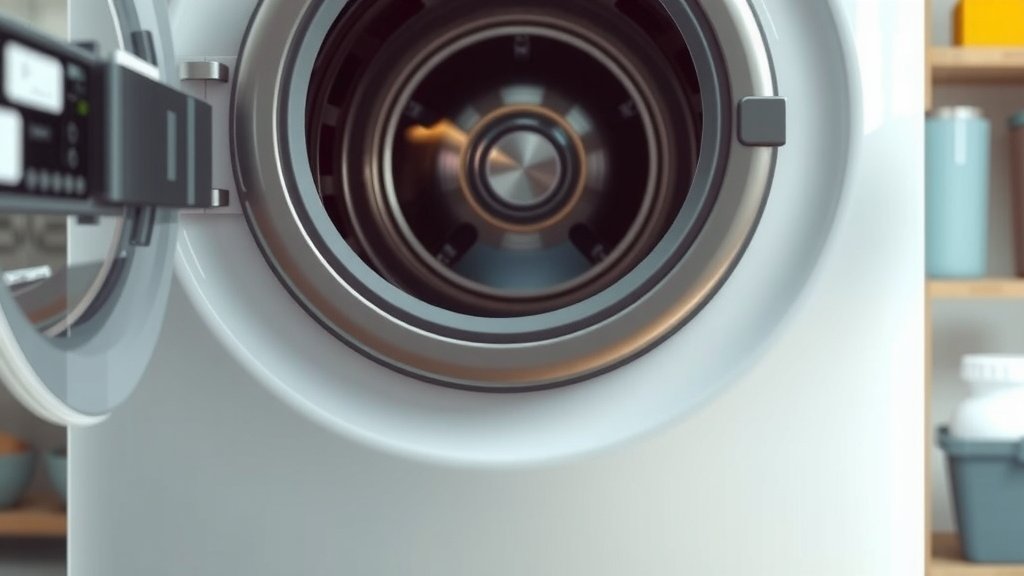
Unlike older top-loaders with a central agitator, your front-loader uses a drum that rotates on its side. This drum has baffles, which are those little ridges you see inside. They help to lift and drop your clothes. This gentle lifting and tumbling action is key.
Lifting and Tumbling Action
As the drum turns, the baffles pick up your laundry. Then, they let it fall back into the water at the bottom of the drum. This continuous lifting and dropping motion is like a gentle massage for your clothes. It helps loosen dirt and grime. This is why research indicates front-loaders are often kinder to fabrics.
Gravity’s Gentle Touch
Gravity plays a big part in this process. As your clothes are lifted and dropped, they’re pulled down by gravity. This helps to work the detergent through the fibers and rinse away the loosened soil. It’s a simple yet effective way to clean.
Water and Detergent: A Dynamic Duo
Front-loaders are known for using less water than traditional machines. This is intentional and part of their efficient design. You might notice the water level only comes partway up the door.
Efficient Water Usage
The tumbling action ensures that every item gets saturated and cleaned. It doesn’t need to be submerged in a large pool of water. Many studies show this efficiency can lead to significant water savings over time compared to older models (U.S. Department of Energy).
How Detergent Works Best
Because there’s less water, the detergent becomes more concentrated. This means you often need less detergent to get the job done. Using too much can actually be counterproductive. It can leave residue on your clothes. It’s always a good idea to check your machine’s manual for recommended amounts.
The Wash Cycle Explained Step-by-Step
Let’s break down a typical wash cycle so you can see the process unfold.
Phase 1: Filling and Soaking
The machine begins by filling the drum with water to a specific level. Then, it starts the tumbling. This initial phase allows the clothes to absorb water and the detergent to start breaking down stains. You might hear some sloshing sounds; that’s perfectly normal!
Phase 2: Washing and Agitating
This is where the main cleaning happens. The drum rotates at varying speeds, and the baffles lift and drop the clothes. This action, combined with the detergent, works to remove dirt and odors. Some cycles might have pauses to allow the detergent to work longer.
Phase 3: Draining and Rinsing
Once the wash portion is complete, the dirty water is pumped out of the drum. Then, the machine refills with clean water for rinsing. The tumbling action continues to remove any remaining detergent and loosened soil. Most cycles include at least one or two rinses.
Phase 4: Spinning to Remove Water
The final step is the high-speed spin. The drum rotates very quickly. This uses centrifugal force to push water out of your clothes. The faster the spin, the more water is extracted. This leaves your laundry damp, not soaking wet. This means less time in the dryer, saving energy. Research from consumer reports often highlights spin speed as a key factor in drying time.
Key Components Working Together
It’s amazing how several parts work in harmony. The motor drives the drum’s rotation. The water inlet valve controls the water flow. The pump expels water during draining. The control panel tells all these parts when to do their job.
What Makes Front Loaders Different?
The absence of a central agitator is the biggest difference. This allows for a larger drum capacity. You can fit more clothes in a single load. Plus, the gentler action means fewer snags and tears. This is why many find them ideal for delicates and bulky items.
Here’s a quick look at the main differences:
| Feature | Front Loader | Traditional Top Loader (with agitator) |
|---|---|---|
| Drum Type | Horizontal | Vertical |
| Cleaning Action | Tumbling with baffles | Agitator movement |
| Water Usage | Low | High |
| Gentleness on Clothes | High | Moderate |
| Capacity | Generally Larger | Generally Smaller |
Your Simple Checklist for Using a Front Loader
To get the best results from your front-load washer, keep these tips in mind:
- Don’t overload the drum.
- Use the correct amount of detergent.
- Clean the door seal regularly.
- Leave the door ajar after use.
- Run a cleaning cycle periodically.
Conclusion
You now understand how your front-load washer works its magic. It cleverly uses a tumbling drum and gravity to get clothes clean with less water. This method is gentle on fabrics, uses less detergent, and handles larger loads efficiently. By following simple tips like not overloading and using the right detergent, you’ll maximize your machine’s performance. Enjoy cleaner clothes and a more efficient laundry routine!
Frequently Asked Questions
Why does my front load washer use so little water?
Front-load washers are designed for efficiency. They use a tumbling action that ensures clothes are thoroughly saturated with a smaller amount of water. This process is just as effective as top-loaders that use much more water.
Can I use regular detergent in my front load washer?
It’s best to use detergents specifically labeled for high-efficiency or HE machines. These detergents produce fewer suds, which is essential for front-loaders. Too many suds can reduce cleaning performance and potentially damage your machine.
What are those ridges inside the drum for?
Those ridges are called baffles. They work by lifting your clothes and then dropping them back into the water as the drum rotates. This action mimics a gentle tossing motion to help loosen dirt and stains from your laundry.
Why should I leave the door open after a wash cycle?
Leaving the door ajar helps the drum and seal to air dry. This prevents moisture from getting trapped, which can lead to mold and mildew growth. Keeping the door open helps maintain a fresh-smelling machine.
How often should I run a cleaning cycle on my front load washer?
You should run a cleaning cycle for your front-load washer about once a month. This helps to remove any detergent residue, mineral buildup, or potential odors that can accumulate over time. Check your owner’s manual for specific instructions.

![7 Best Price On Dishwashers [In 2026]](https://homeunderstandable.com/wp-content/uploads/2026/09/7-best-price-on-dishwashers-in-2026-featured-768x432.jpg)