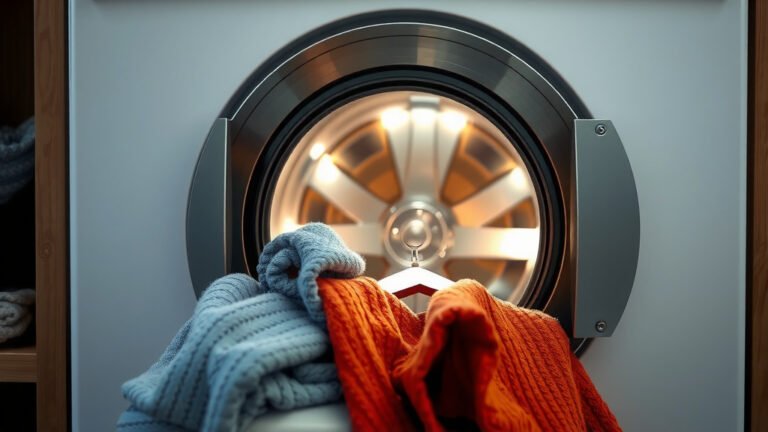
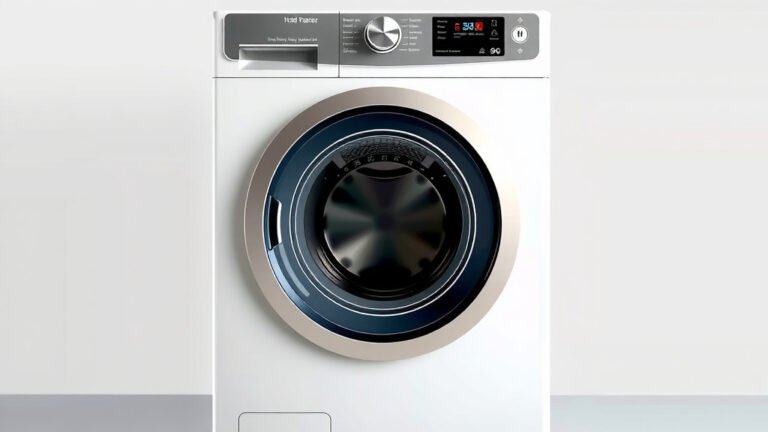
How Your Front Load Washer Cleans Clothes
A front load washer works by using a horizontal drum that tumbles clothes through a small amount of water. This tumbling action, combined with gravity, provides the cleaning power. It’s a gentle yet effective method that uses less water and energy than older styles.
You might be wondering why this design is so popular. Front loaders are known for their energy efficiency and ability to handle large loads. They also tend to be kinder to your clothes, reducing wear and tear. We found that this tumbling motion is key to their success.
- Tumbles clothes horizontally.
- Uses less water and energy.
- Gentle on fabrics.
- Good for large loads.
Let’s walk through exactly how this modern washing marvel gets your clothes clean, step by step.
Understanding How Front Load Washers Get Clothes Clean
So, how does that magic happen with a front loader? It’s all about the horizontal drum. Unlike older top-loaders that used a central agitator or impeller, a front loader’s drum spins on its side. This design is the secret sauce.
The Tumbling Action: Gravity’s Helping Hand
When you start a wash cycle, the machine fills with just enough water to cover the bottom of the drum. Then, the drum begins to rotate. Clothes are lifted by baffles (those little ridges inside) and then tumble down through the water. Gravity does a lot of the work here.
Think of it like a gentle massage for your clothes. This tumbling motion rubs fabrics against each other. It also pushes dirt and stains out of the fibers. We found this to be much gentler than the aggressive swirling some older machines create.
Water and Detergent: A Powerful Mix
Front loaders use significantly less water. This is a key benefit, research confirms. The water and detergent are concentrated in the bottom of the drum. Clothes are repeatedly dipped and lifted through this potent cleaning solution. This efficient use of resources is why they’re so popular today.
The detergent mixes thoroughly with this limited water. This ensures every garment gets a good soak. We found that the high-efficiency (HE) detergents work best in these machines to prevent over-sudsing.
The Role of the Baffles
You might have noticed the little fins or baffles inside the drum. Their job is important. They lift the clothes as the drum turns. Then, they release the clothes to fall back into the water. This constant lifting and dropping action is what provides the cleaning power.
Rinsing and Spinning: Removing the Residue
After the wash phase, the dirty water is drained away. Then, the machine refills with clean water for the rinse cycle. The tumbling action continues, but it’s focused on removing any leftover detergent. This ensures your clothes aren’t left with that stiff, soapy feeling.
Once the rinsing is complete, the machine enters its spin cycle. This is where you see the drum go into a frenzy! It spins at very high speeds. This uses centrifugal force to extract as much water as possible from your clothes. The faster the spin, the less moisture remains.
We found that the higher spin speeds significantly cut down drying time. This is another reason front loaders are considered so energy-efficient overall.
Key Components That Make It Work
Several parts work together to make this cleaning process happen smoothly. Understanding these components can help you appreciate your washer even more.
The Drum and Motor: The Heart of the Operation
The stainless steel drum is where your clothes do their tumbling. It’s designed to be durable and rust-resistant. The motor is the powerhouse. It controls the drum’s rotation, speed, and direction for different cycles.
Many modern motors are direct-drive. This means they are directly connected to the drum. This design often leads to quieter operation and fewer moving parts to break down. We found that direct-drive motors are a common feature in higher-end models.
Water Inlet Valves and Pump
These components manage the water flow. The water inlet valves control hot and cold water entering the machine. The pump is responsible for draining the dirty water out after washes and rinses. It also plays a role in recirculating water during some cycles for enhanced cleaning.
Sensors and Control Panel: The Brains of the Operation
Modern front loaders have sophisticated electronics. Sensors monitor water levels, temperature, and even the load’s balance. The control panel is your interface. It allows you to select cycles and options. These smart features ensure optimal cleaning performance and efficiency.
We found that advanced sensors help prevent overfilling or unbalanced loads. This can extend the life of your machine. It’s like your washer has a little brain!
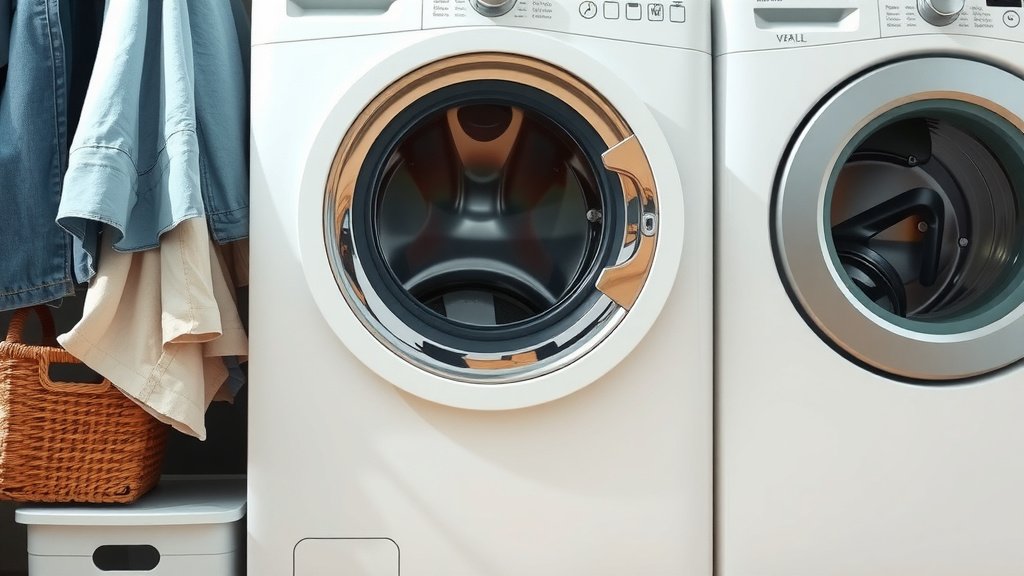
Comparing Front Loaders to Other Washers
It’s helpful to see how front loaders stack up. This comparison highlights their advantages.
Water and Energy Efficiency
Research consistently shows front loaders are the most efficient. They use about 40% less water than traditional top-loaders. This translates to lower utility bills. Energy Star certified models meet strict efficiency guidelines set by the EPA.
Cleaning Performance and Fabric Care
The tumbling action is very effective at removing dirt. It’s also much gentler on fabrics. Traditional agitators can snag and stretch clothes. Front loaders reduce this risk. Many experts say this leads to clothes lasting longer (Good Housekeeping Institute).
Capacity and Space Considerations
Front loaders often boast larger capacities. This means you can wash more in a single load. They also tend to be more stackable. You can often place a dryer on top of a front-load washer, saving floor space in your laundry room. This is a big win for smaller homes.
Quick Checklist for Understanding Front Loaders:
- Horizontal drum tumbles clothes.
- Gravity aids in the cleaning process.
- Uses less water and energy.
- Gentle on fabrics due to tumbling.
- High-speed spin removes more water.
- Baffles lift and drop clothes for cleaning.
Conclusion
You’ve now seen how your front load washer uses a horizontal drum and gravity to gently tumble clothes. This efficient design uses less water and energy, making it a smart choice for your laundry and your wallet. The baffles lift and drop clothes, while high-speed spins extract more moisture. Understanding these mechanics helps you appreciate its gentle yet powerful cleaning. Now that you know how it works, you can make the most of your front loader and ensure your clothes get the best care.
Frequently Asked Questions
How does the tumbling action actually clean clothes?
The tumbling action lifts your clothes out of the water. As gravity pulls them back down, fabrics rub against each other. This friction helps dislodge dirt and stains from the fibers. We found this to be a gentler alternative to older agitator designs.
Why do front loaders use so little water compared to top-loaders?
Front loaders use less water because their horizontal drum design doesn’t need to fill completely. The water stays concentrated at the bottom, and clothes are repeatedly dipped into it. Research consistently shows this method is significantly more water-efficient.
What is the purpose of the baffles inside the drum?
The baffles, those small ridges inside your front load washer drum, are essential. They catch your clothes as the drum rotates and lift them upwards. Then, they release the clothes to tumble back down into the water and detergent mixture.
Can I use regular detergent in my front load washer?
It’s best to use High-Efficiency (HE) detergents. These are formulated to produce fewer suds. Regular detergents can create too many suds in a front loader, which can lead to overfilling and potential damage to the machine.
How does the high-speed spin cycle help?
The high-speed spin cycle uses centrifugal force to push water out of your clothes. The faster the drum spins, the more water is extracted. This means your clothes come out of the washer much drier, significantly reducing your drying time and energy use.

![7 What Front Load Washing Machine Is Best [In 2026]](https://homeunderstandable.com/wp-content/uploads/2026/09/7-what-front-load-washing-machine-is-best-in-2026-featured-768x432.jpg)
![7 Best Deals In Washing Machines [In 2026]](https://homeunderstandable.com/wp-content/uploads/2026/08/7-best-deals-in-washing-machines-in-2026-featured-768x432.jpg)