Washer Dryer Set Cost: What to Expect in 2026
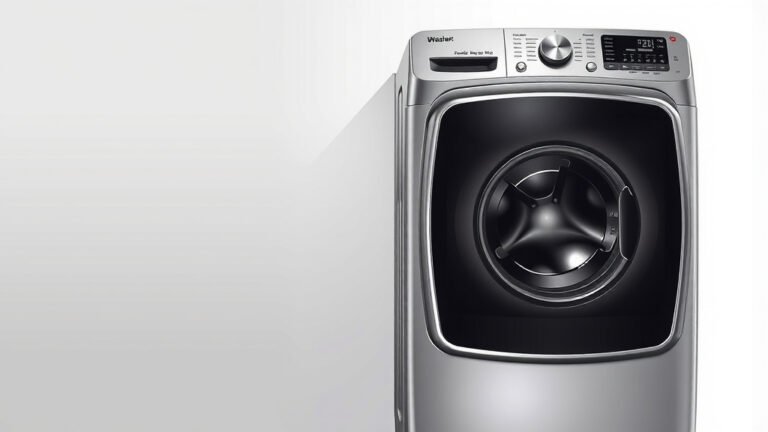
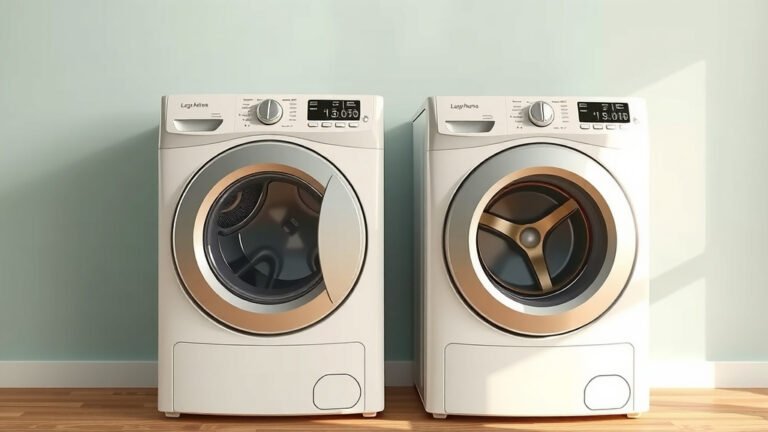
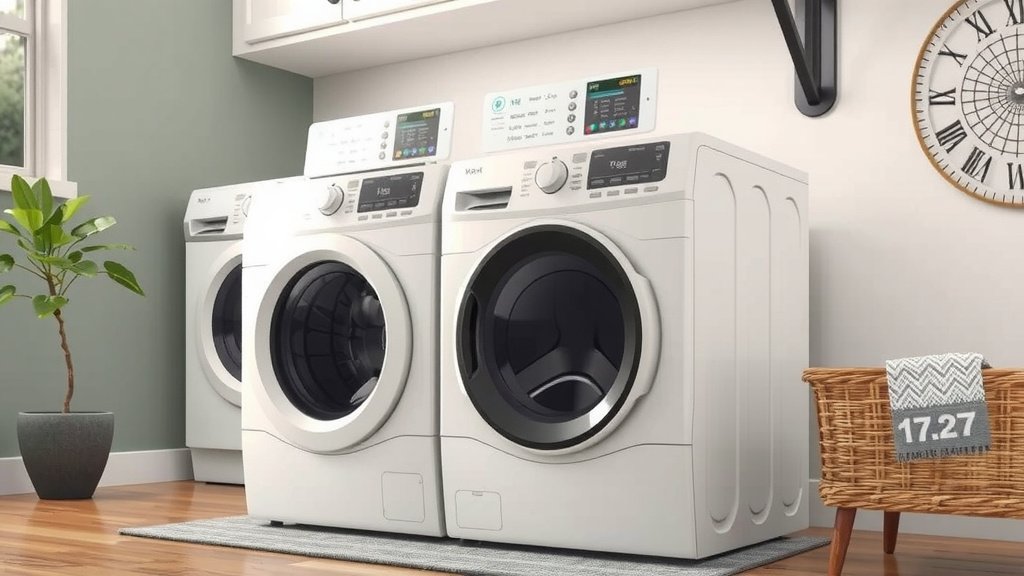
So, you’re wondering, “How much does a washer dryer set cost?” You can expect to pay anywhere from $1,500 to $4,000 for a new washer and dryer combo. Factors like brand, features, and energy efficiency will affect the final price.
The cost can really vary depending on what you’re looking for. Basic, no-frills models will be on the lower end. If you want smart features, steam cycles, or super-fast wash times, the price tag will go up. We found that many families budget around $2,000-$2,500 for a reliable set.
- Basic sets start around $1,500.
- High-end models can reach $4,000+.
- Look for sales for savings.
- Consider energy efficiency for long-term savings.
- Smart features add to the cost.
Let’s break down the different price points and what you can expect for your money, so you can find the perfect set for your home and budget. Our guide to the best new washer and dryer set can help you compare top models.
Understanding the Price Tag of Your Next Washer Dryer Set
So, you’re ready to upgrade your laundry room! That’s exciting. But before you start dreaming of fresh, clean clothes, let’s talk about the elephant in the room: cost. You’re probably asking, “How much will a new washer and dryer set actually set me back?” We’ve done the research, and the price range can feel as wide as your laundry basket.
Generally, you can expect a new washer and dryer set to cost somewhere between $1,500 and $4,000. This broad range is due to a variety of factors that influence the final price. Think of it like buying a car; a basic model is going to cost much less than a luxury SUV with all the bells and whistles. We found that the average price often lands around the $2,000 to $2,500 mark for a solid, dependable set.
Breaking Down the Costs: What Influences Washer Dryer Prices?
Why the big difference? Several key elements play a role. Let’s break down what you’re paying for and what kind of performance you can expect at different price points.
Brand Name Matters (Sometimes)
Just like with any appliance, brand reputation plays a part. You’ll often find that well-known brands with a long history of reliability might carry a slightly higher price tag. These brands often invest heavily in research and development. They also tend to offer extensive warranty options and readily available customer support. However, we found that many less common, but still reputable, brands offer excellent value for money without the premium.
Features: The More, The Pricier
This is perhaps the biggest driver of cost. Do you need a basic washer and dryer that just gets the job done? Or do you want a laundry suite that feels like it belongs in a spaceship?
- Basic Models: These are your workhorses. They offer standard wash cycles and drying options. You won’t find fancy displays or specialized settings here. They focus on functionality.
- Mid-Range Options: Here, you start seeing more cycle variety. Think delicates, heavy-duty, and perhaps a steam refresh option. Digital displays become more common.
- High-End & Smart Features: This is where the price really climbs. You’ll find Wi-Fi connectivity, allowing you to control your machines from your phone. Expect features like automatic detergent dispensing, sanitizing cycles, and advanced fabric care options. These models often boast the latest technology.
Capacity: Size Does Matter
The size of the drums in your washer and dryer directly impacts how much laundry you can tackle at once. If you have a large family or often find yourself washing bulky items like comforters, you’ll likely need a larger capacity set. These tend to be more expensive than standard or compact models. We found that many families opt for larger capacities to save time and reduce the number of loads they need to run.
Energy Efficiency: Saving Money Over Time
Appliances with an ENERGY STAR certification are designed to use less energy and water. While these models might have a higher upfront cost, they can save you a considerable amount on your utility bills over the lifespan of the appliances. Think of it as an investment that pays you back. Many government and utility programs offer rebates for purchasing ENERGY STAR certified appliances, which can help offset the initial expense.
Price Ranges and What to Expect
Let’s get a bit more specific about what your money can buy you at different price points.
Budget-Friendly Options: Under $1,500
At this price point, you’re looking at basic, no-frills models. They will get your clothes clean and dry. Expect simpler controls, fewer wash and dry cycles, and standard capacities. These are often top-loading washers and traditional dryers. If your budget is tight or you only do small loads, this can be a perfectly suitable option. We found that some retailers offer package deals on these basic sets that can bring the total down.
Mid-Range Sweet Spot: $1,500 – $2,500
This is where many consumers find their happy medium. You’ll typically get larger capacities, more wash and dry cycle options (like steam or sanitize), and digital displays. Front-loading washers often become more common in this range, offering better water efficiency and gentler fabric care. You might also start seeing some basic smart features, like delayed starts. We found that many highly-rated models offering excellent durability fall into this category.
Premium Performance: $2,500 – $4,000+
Ready for the top tier? This range includes machines with all the advanced features we mentioned earlier. Think Wi-Fi connectivity, automatic dispensing, AI-powered sensors that adjust cycles, and very high capacities. These machines are designed for maximum convenience and optimal fabric care. They often boast sleek designs and the quietest operation. If you’re looking for the latest laundry technology and are willing to pay for it, this is your range.
Don’t Forget About Other Costs!
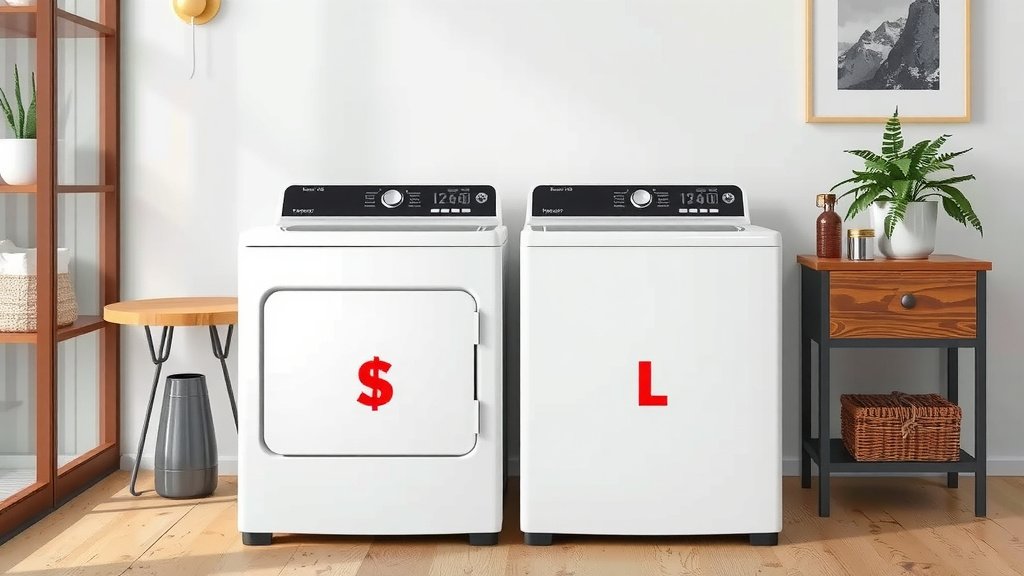
While the sticker price of the washer and dryer is a big part, remember there are other potential expenses:
- Delivery and Installation: Some retailers include this, while others charge extra. If you’re replacing old machines, you might need to pay for haul-away services.
- Hoses and Venting: You may need new water hoses or a dryer vent kit if your old ones are worn out or incompatible.
- Extended Warranties: These can add a few hundred dollars but offer peace of mind for some homeowners.
Planning for these extras can help you avoid any surprises. We found that bundling delivery, installation, and haul-away can sometimes save you money compared to paying for each service separately.
| Price Range | Typical Features | Ideal For |
|---|---|---|
| Under $1,500 | Basic cycles, standard capacity, simple controls | Small households, tight budgets |
| $1,500 – $2,500 | More cycles (steam), larger capacity, digital display, some smart features | Average families, balancing features and cost |
| $2,500 – $4,000+ | All advanced features, Wi-Fi, AI sensors, highest capacity, premium design | Tech-savvy users, large families, convenience seekers |
Quick Checklist for Your Washer Dryer Purchase
Before you click “buy” or head to the store, consider these points:
- Determine your maximum budget, including potential installation fees.
- Measure your laundry space accurately. Don’t forget door clearances!
- Decide on the capacity you truly need for your household size.
- Prioritize essential features versus nice-to-have extras.
- Check for ENERGY STAR certification if long-term savings are important.
- Read recent reviews for the models you’re considering.
Conclusion
We’ve walked through the world of washer dryer set costs, and it’s clear that your budget plays a big role. You can find functional, basic models for under $1,500, while feature-rich, high-tech sets can push past $4,000. Many families find their perfect balance in the $1,500 to $2,500 range, giving them good capacity and useful cycles without breaking the bank. Remember to factor in delivery, installation, and any needed accessories. By understanding these price points and considering your household’s needs, you’re well-equipped to make a smart purchase. Your next step is to measure your space and start comparing models that fit both your laundry needs and your wallet.
Frequently Asked Questions
Are expensive washer dryer sets really worth the extra cost?
Generally, higher-priced sets offer more advanced features like smart connectivity, specialized wash cycles, and greater energy efficiency. If convenience, fabric care, and long-term savings on utilities are important to you, then a pricier set might be worth the investment. However, basic models can still effectively clean your clothes if you don’t need all the bells and whistles.
Can I buy just a washer or just a dryer, or do I need a set?
You can absolutely buy a washer and dryer separately. However, many manufacturers offer matching sets that often come at a slightly discounted price compared to buying individual units. Purchasing a set also ensures a consistent aesthetic in your laundry room. We’ve found that many people prefer buying them together for uniformity.
How much should I budget for delivery and installation?
Delivery and installation costs can vary widely, from free with purchase at some retailers to over $200. Some stores offer bundle deals that include haul-away of your old appliances. It’s wise to check with the retailer upfront and include this potential expense in your total budget before making a decision.
Are there ways to save money on a new washer dryer set?
Yes, there are several ways to save! Look for holiday sales, clearance items, or floor models. Consider purchasing during a manufacturer’s promotion. Energy Star certified models, while sometimes having a higher upfront cost, can save you money on utility bills over time. You might also find rebates from your local utility company or government programs.
Does the capacity of the washer and dryer affect the price significantly?
Yes, capacity definitely impacts price. Larger capacity machines, designed to handle bigger loads or bulky items, generally cost more than standard or compact models. If you have a large family or frequently wash large items like bedding, you’ll likely need a bigger set, which will factor into the overall cost.
![7 Best Stacked Washer Dryers [In 2026]](https://homeunderstandable.com/wp-content/uploads/2026/09/7-best-stacked-washer-dryers-in-2026-featured-768x432.jpg)