Washing Machine Buying Guide: What to Look For
Shopping for a washing machine can feel like a chore before you even start the laundry. The best way to shop for a washing machine is to first decide on your budget, preferred type (top-load vs. front-load), and essential features. This will help you narrow down your choices quickly.
We understand that buying a new appliance is a big decision. You want a machine that cleans effectively, saves energy, and fits your lifestyle. Considering your laundry habits and available space is key. Many experts agree that understanding these basics will save you time and money.
- Know your budget first.
- Choose between top-load and front-load.
- List your must-have features.
- Measure your space carefully.
- Read reviews from other shoppers.
Let’s walk through exactly how to pick the perfect washing machine for your home, step by step.
Your Guide to Buying a Washing Machine
Picking a new washing machine can seem overwhelming with all the options. But don’t worry, we’re here to help you sort through it all. Think of it like choosing a good partner for your laundry room – you want someone reliable and efficient.
Understanding Washing Machine Types
The first big decision is the type of washing machine. You’ll generally see two main styles: top-load and front-load. Each has its own set of pros and cons. Let’s break them down so you can see which one might fit your life best.
Top-Load Washers: The Classic Choice
Top-load washers are what many of us grew up with. You load your clothes from the top. They are often Top-load washers are a popular choice, and our guide helps you find the best one for your laundry needs.less expensive upfront than front-loaders. Plus, you can usually add forgotten items mid-cycle, which is handy. Many people also find them more comfortable to use since you don’t have to bend down as much.
There are two main kinds of top-loaders: those with an agitator (the central post) and those without. Agitators are great at scrubbing tough stains but can be a bit harsher on fabrics. High-efficiency (HE) non-agitator models use less water and are gentler on clothes. We found that HE models often take a bit longer for cycles but save water and energy.
Front-Load Washers: The Modern Efficiency Masters
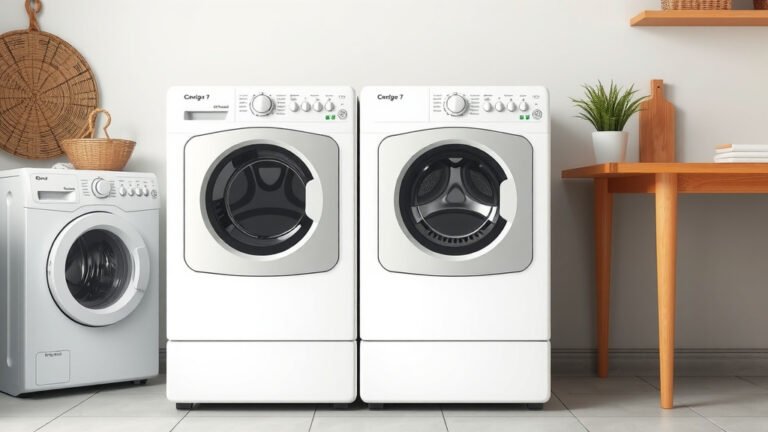
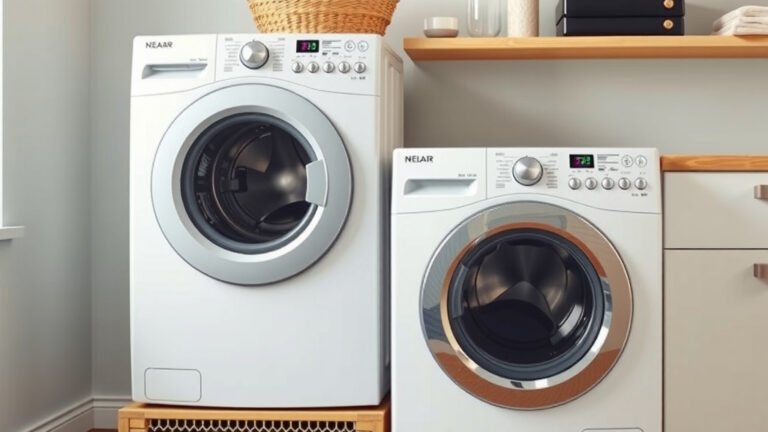
Front-load washers load from the front, like a dryer. They use a tumbling action to clean clothes. This method is Front-load washers offer several advantages, including gentler fabric care and better water efficiency, which are explored in our buying guide.very gentle on fabrics and often uses less water than top-loaders. Because they spin faster and extract more water, your clothes come out drier, which means less time in the dryer and lower energy bills.
Many people also prefer front-loaders because they tend to be more energy-efficient. The U.S. Department of Energy suggests that front-load washers generally use less energy and water than traditional top-loaders. However, they typically cost more initially, and you do need to bend down to load and unload. You also can’t add items once the cycle has started without pausing and potentially losing water.
Sizing Up Your Space and Needs
Before you even look at specific models, you need to measure your laundry space. This might sound obvious, but it’s easy to forget. Measure the width, depth, and height of the area where the washer will go. Don’t forget to account for the space needed for the door to open fully, especially for front-loaders. Also, measure the path from your door to the laundry room – you want to make sure it can actually get in your house!
Think about the size of your loads too. Do you have a big family with lots of laundry? Or are you usually just washing for one or two people? Washing machines come in various capacities, measured in cubic feet. A standard size is around 3.5 to 4.5 cubic feet. Larger families might benefit from a capacity of 5 cubic feet or more. A bigger drum means you can wash more clothes at once, saving time and energy.
Essential Features to Consider
Once you know the type and size, let’s talk about features. What’s truly important for your laundry routine? Many features can make life easier, but some might just be fancy additions you don’t need.
Cycle Options and Settings
Look at the wash cycles available. Most machines come with standard cycles like Normal, Delicates, and Heavy Duty. Do you need special cycles for things like sanitizing, steam cleaning, or quick washes? A steam cycle can help reduce allergens and wrinkles, which is great for families or those with sensitive skin. A quick wash setting is perfect for when you need a few items cleaned in a hurry. Many experts suggest looking for a “deep fill” option if you prefer to use more water for heavily soiled loads.
Energy and Water Efficiency
This is a big one for both your wallet and the planet. Look for the ENERGY STAR label. Appliances with this label meet strict energy efficiency guidelines set by the U.S. Environmental Protection Agency. We found that ENERGY STAR certified washers use about 30% less energy and 50% less water than typical models. This can lead to significant savings on your utility bills over the life of the machine.
Smart Features and Connectivity
Some modern washers come with “smart” features. You can connect them to your home Wi-Fi and control them from your smartphone. This lets you start, stop, or monitor cycles remotely. You might even get notifications when a load is done. While cool, these features often add to the cost of the machine. Think about whether you’ll actually use them before paying extra.
Making Your Final Choice: Reviews and Budget
Now that you have a clearer idea of what you need, it’s time to look at actual models. Your budget is a primary factor here. Washing machines can range from a few hundred dollars to over $2,000. Generally, you get what you pay for, but you don’t always need the most expensive model to get great results.
Reading Reviews for Real-World Feedback
Don’t skip this step! Reading reviews from other shoppers can give you a realistic picture of how a machine performs. Look for patterns in the reviews. Are people consistently complaining about the same issue? Are they praising its cleaning power or reliability? Websites that test appliances often provide detailed reports. We found that independent reviews are super helpful for understanding the long-term performance of a washer.
Your Washing Machine Shopping Checklist:
- Confirm your total budget.
- Measure your laundry space accurately.
- Decide on top-load vs. front-load.
- Note your must-have features.
- Check for ENERGY STAR certification.
- Read user reviews for your top picks.
By following these steps, you’ll be well on your way to finding a washing machine that meets your needs and makes laundry day a little bit easier!
Conclusion
You’ve got this! Shopping for a washing machine doesn’t have to be a chore. By first setting your budget and knowing your space, you can confidently choose between a top-load or front-load machine. Then, prioritize the features that truly matter for your laundry routine. Checking for ENERGY STAR certification is smart for saving money and resources. Finally, reading real shopper reviews gives you peace of mind. Now, take your measurements and your must-have list to the store or your favorite online retailer. You’re ready to find the perfect partner for your laundry room!
Frequently Asked Questions
How much should I budget for a new washing machine?
Washing machines can range from a few hundred to over two thousand dollars. Generally, setting a realistic budget upfront will help you narrow down your options significantly. You don’t always need the most expensive model to get excellent cleaning performance.
Are front-load washers worth the extra cost?
Many people find front-load washers to be worth the investment. They are typically more energy and water-efficient, leading to lower utility bills over time. They also tend to be gentler on clothes and spin faster, reducing drying time.
What is the most important feature to look for?
While features like steam cycles or smart connectivity are nice, energy and water efficiency are often the most impactful. Look for the ENERGY STAR label, as these models can save you considerable money on your utility bills throughout the machine’s lifespan.
How do I know if a washing machine will fit in my laundry room?
Accurate measurement is key. Measure the width, depth, and height of your laundry space. Also, remember to measure the path from your door to the room and ensure there’s enough clearance for the washing machine door to open fully.
Are agitator or impeller top-load washers better?
Washers with an agitator (the central post) are great for tough stains but can be harsher on fabrics. Impeller models (without the central post) use less water and are gentler on clothes, though cycles might take a bit longer. Your choice depends on your priorities for fabric care versus stain-fighting power.
![7 Best Energy Efficient Stackable Washer And Dryer [In 2026]](https://homeunderstandable.com/wp-content/uploads/2026/09/7-best-energy-efficient-stackable-washer-and-dryer-in-2026-featured-768x432.jpg)
![7 Best Condo Stackable Washer Dryer [In 2026]](https://homeunderstandable.com/wp-content/uploads/2026/09/7-best-condo-stackable-washer-dryer-in-2026-featured-768x432.jpg)