One and Done Washer Dryer Cost: What to Expect
Wondering about the cost of a one and done washer and dryer? You can expect to pay anywhere from $1,500 to $4,000 for a stacked unit, depending on brand, features, and where you shop. These all-in-one laundry solutions are perfect for saving space but come with a unique price tag. We found that the upfront investment is higher than buying separate machines, but the convenience is often worth it for smaller homes.
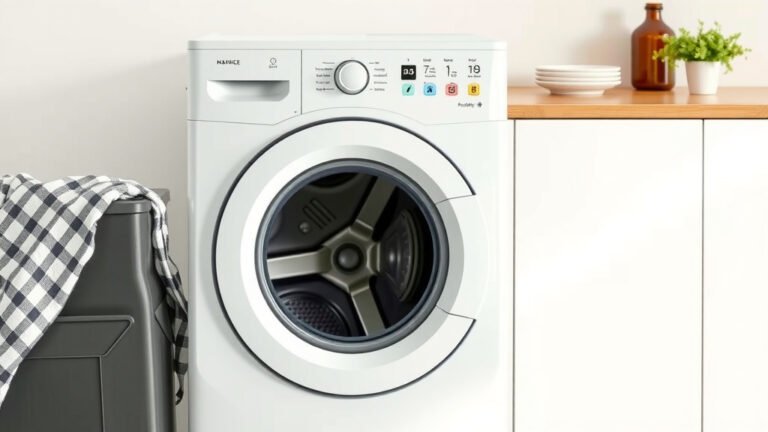
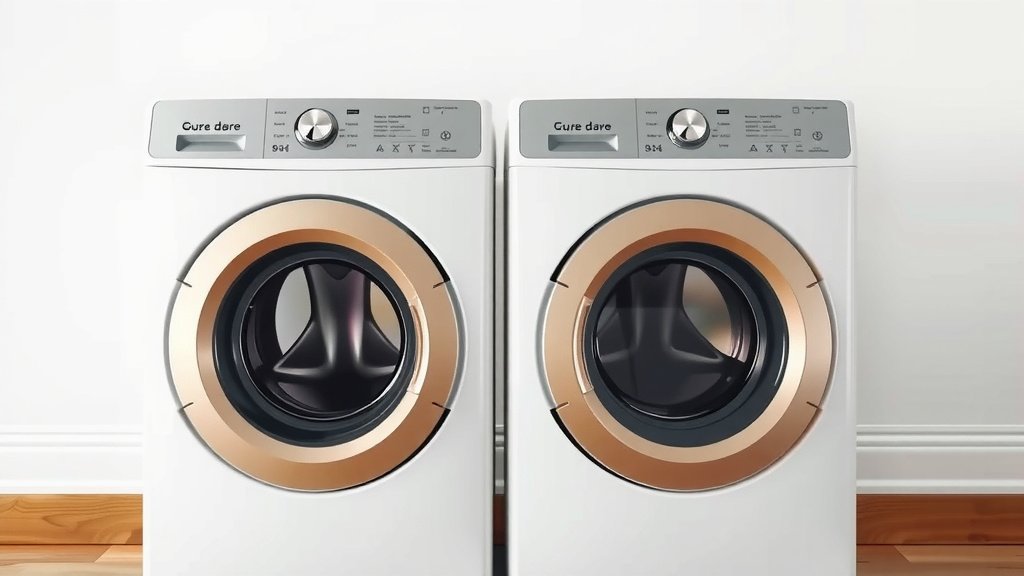
A one and done washer and dryer, often called a stacked laundry unit, combines both washing and drying functions into a single appliance. This design is a lifesaver for apartments, RVs, or any home where space is at a premium. While they offer incredible space-saving benefits, their specialized nature means they can be more expensive than traditional side-by-side units. We found that energy efficiency can also be a factor in the overall cost.
- Price Range: $1,500 – $4,000
- Key Benefit: Saves significant space.
- Consideration: Higher initial cost than separate units.
- Features Matter: Look for energy efficiency and capacity.
Let’s break down what goes into that price and what you should consider before making your purchase.
Understanding the Cost of Stacked Washer and Dryer Units
You’re probably wondering about the total investment for a one and done washer and dryer. We found that these all-in-one machines typically range from $1,500 to $4,000. This price difference depends a lot on the brand you choose, the specific features offered, and where you decide to buy them. It’s a bit more than buying separate, standard-sized machines, but the space-saving aspect is huge for many homes.
Factors Influencing Your Purchase Price
So, what makes one stacked unit cost more than another? Several things play a role in the final price tag.
Brand Reputation and Quality
Just like with cars or electronics, some brands have built a reputation for durability and performance. You might find that a well-known appliance maker has higher prices. This often reflects their use of premium materials and extensive testing. We found that investing a bit more in a reputable brand can sometimes mean fewer repair calls down the line.
Capacity and Size Considerations
Stacked units come in various sizes. Some are designed for very small loads, perfect for a single person or a tiny studio. Others offer a larger drum capacity, capable of handling family-sized loads. Generally, larger capacity units will cost more upfront. Think about how much laundry you typically do. A unit that’s too small might mean more loads, defeating some of the convenience. We found that understanding your household’s needs is key here.
Feature Set and Technology
Modern appliances are packed with features. For stacked washer and dryer combos, you might see things like steam cycles, sanitizing options, or even smart connectivity that lets you control them from your phone. Advanced features like these naturally increase the price. Some models also boast superior energy efficiency, which can save you money on utility bills over time. We found that energy star ratings are a good indicator of potential long-term savings.
Comparing Costs: Stacked vs. Separate Units
Let’s look at how the investment stacks up against buying a traditional washer and dryer separately. Many people are surprised by the initial cost of an all-in-one unit.
Upfront Investment Differences
When you buy a separate washing machine and dryer, you can often find very basic models for under $1,000 combined. Even mid-range separate units might cost around $1,200 to $2,000. The one and done washer and dryer unit often starts at $1,500 and can go much higher. So, yes, the initial outlay is usually greater for the stacked option. We found this to be a common point of hesitation for budget-conscious shoppers.
Long-Term Savings and Efficiency
However, it’s not just about the sticker price. Many stacked units are designed with energy efficiency in mind. They might use less water and electricity per cycle compared to older, separate machines. Over the years, these savings can add up on your utility bills. Many experts suggest looking at the annual energy consumption ratings when comparing models (Energy Star).
Installation and Other Costs
Don’t forget about installation! Depending on your home, you might need specific plumbing or electrical work. Some stacked units require special venting or a dedicated water line. These installation costs can add a few hundred dollars to your total. We found that it’s wise to get a quote for installation before you buy, especially if you’re not comfortable with DIY. Factor this into your overall budget.
Making the Smart Choice for Your Space
Choosing a stacked unit is often about more than just price; it’s about maximizing your living area.
Space-Saving Benefits
The most significant advantage is, of course, the space. A stacked unit takes up the footprint of just one appliance. This is a lifesaver for apartments, small homes, RVs, or even for creating a dedicated laundry nook in a closet. We found that for people living in urban areas, this space efficiency is often worth the higher price. It frees up valuable floor space for other uses.
When a Stacked Unit Makes Financial Sense
If you’re renovating a small space or building an accessory dwelling unit (ADU), a stacked unit can be a smart investment. It allows for a functional laundry area where a traditional setup wouldn’t fit. We found that considering the cost per square foot saved can justify the appliance’s price. It’s about the overall value it brings to your home’s usability.
Key Considerations Before You Buy
Before you commit, here’s a quick checklist to ensure you’re making the best decision for your situation:
- Measure your intended space carefully.
- Check your home’s existing plumbing and electrical setup.
- Estimate your typical laundry load size and frequency.
- Compare energy efficiency ratings of different models.
- Factor in potential installation costs.
- Read reviews for reliability and user satisfaction.
| Appliance Type | Typical Price Range (USD) | Space Efficiency |
|---|---|---|
| Basic Stacked Unit | $1,500 – $2,200 | High |
| Mid-Range Stacked Unit (More Features) | $2,200 – $3,000 | High |
| Premium Stacked Unit (Smart Features, Large Capacity) | $3,000 – $4,000+ | High |
| Separate Standard Units (Mid-Range) | $1,200 – $2,000 | Low |
Conclusion
So, you’re looking at a one and done washer and dryer, and the cost can range from $1,500 to $4,000. We found that while the initial price is higher than separate units, the incredible space-saving benefit can be a game-changer, especially for smaller homes. Consider factors like brand, capacity, and features to find the best fit for your budget and needs. Don’t forget to factor in installation costs as well.
Before you buy, take a moment to measure your space and check your home’s hookups. Weigh the upfront investment against the long-term utility savings and convenience. Making an informed choice ensures your new stacked unit will be a smart addition to your home.
Frequently Asked Questions
What is the average cost of a one and done washer and dryer?
You can expect to pay between $1,500 and $4,000 for a stacked washer and dryer unit. The price varies based on brand reputation, the specific features offered, and the capacity of the machine. Premium models with smart technology will naturally be at the higher end of this range.
Are stacked washer and dryer units more expensive than separate ones?
Generally, yes, stacked units have a higher upfront cost compared to buying basic or mid-range separate washers and dryers. However, their space-saving design can justify the price difference for those with limited living areas. We found that long-term energy efficiency can also offset some of the initial expense.
What factors influence the price of a stacked laundry unit?
Several factors affect the price, including the brand’s reputation for durability, the drum capacity (larger loads cost more), and advanced features like steam cycles or smart connectivity. Energy efficiency ratings can also play a role in the final price tag.
Do stacked washer and dryer units save money on utility bills?
Many newer stacked units are designed with energy efficiency in mind, potentially using less water and electricity per cycle than older, separate machines. Over time, this can lead to savings on your utility bills. Look for Energy Star certified models to maximize these savings.
Are installation costs included in the price of a stacked washer and dryer?
Typically, the purchase price of a stacked unit does not include installation. You’ll need to budget extra for professional installation, which can involve plumbing and electrical work. It’s wise to get a quote from an installer before making your purchase.