
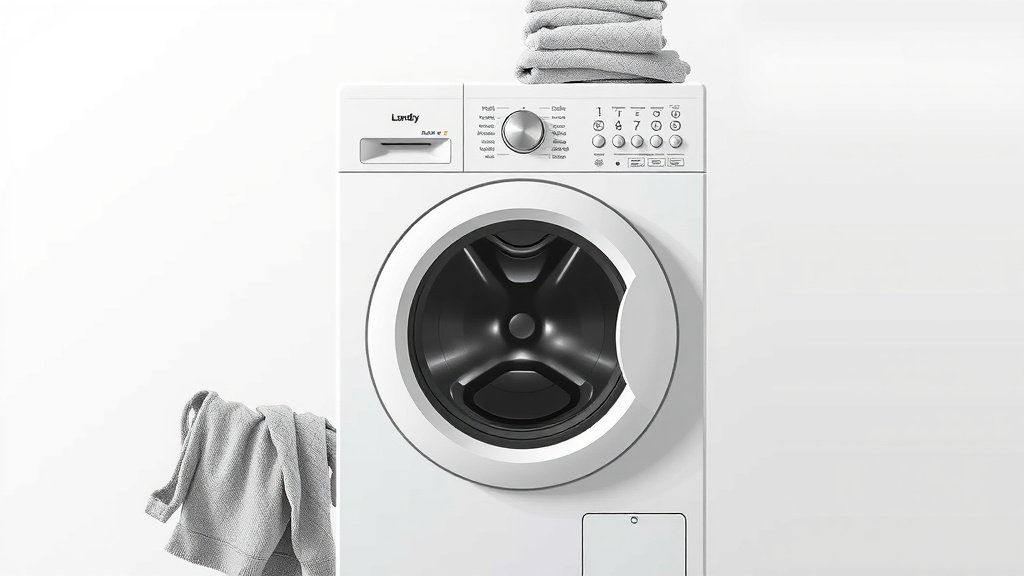
How Much Laundry Fits in a Top Loader?
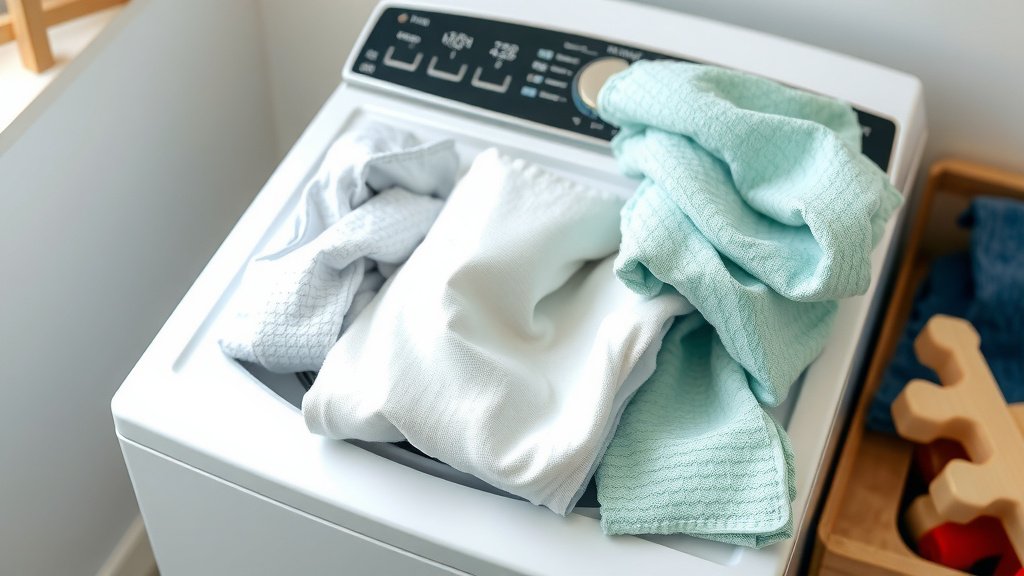
Yes, you can put a good amount of laundry in your top loader. The key is to avoid overloading it. A good rule of thumb is to ensure clothes can move freely. Overloading can lead to less clean clothes and potential damage to your machine. Aim for a load that’s about half to two-thirds full.
Figuring out the right amount is more art than science. You don’t want to pack items too tightly. Think of it as giving your clothes enough room to get a good wash. We found that leaving space ensures water and detergent reach everywhere. This leads to a better clean and helps your machine last longer.
- Don’t stuff your washer completely full.
- Clothes should have room to tumble freely.
- An overloaded washer means less clean clothes.
- You might also strain your machine’s motor.
Let’s walk through exactly how to determine the perfect load size for your top-loading washing machine so you get the best results every time.
Loading Your Top-Loader Wisely
You’re wondering how much laundry can actually fit into your trusty top-loading washing machine. It’s a common question! The simple answer is: enough to get your clothes clean without stressing your machine. We found that the sweet spot is typically between half and two-thirds full.
The “Free Movement” Rule: Your Washing Machine’s Best Friend
Think of your washing machine drum like a dance floor for your clothes. They need space to spin, swirl, and get properly agitated. If you pack it too tight, they can’t move freely. This means the water and detergent can’t reach every single fiber.
What Happens When Clothes Can’t Move?
When your laundry is crammed in, you might notice a few things. Some spots on your clothes might still be dingy. You could also find detergent residue left behind. This happens because the wash and rinse cycles can’t do their job effectively. Many experts suggest that this restricted movement is the primary cause of less-than-clean laundry (Consumer Reports).
Why Overloading is a No-Go
Beyond just not getting your clothes as clean as you’d like, overloading can cause actual harm to your machine. The motor has to work much harder to try and turn the heavy, tightly packed load. This extra strain can lead to premature wear and tear on the motor and other components.
Potential Machine Strain
We’ve heard from appliance repair technicians that overloading is a frequent culprit for washing machine breakdowns. It’s like asking someone to lift weights that are too heavy for them repeatedly. Eventually, something is going to give out. This can mean costly repairs or even needing a new washing machine sooner than you’d planned.
Determining the Ideal Load Size: A Visual Guide
So, how do you visually gauge that “half to two-thirds full” mark? It’s easier than you might think. You don’t need a tape measure or a complex formula. It’s more about a feel and a look.
The “Light Bulb” Test
Imagine your washing machine drum. If you were to place a standard light bulb in the very center of the drum before you add clothes, and then fill it, you want to be able to see that light bulb clearly after adding all your laundry. If the clothes are piled so high that the light bulb would be completely buried, you’ve likely got too much in there. We found this simple visual cue to be surprisingly accurate.
Consider the Fabric Types
Not all loads are created equal. The type of fabric you’re washing significantly impacts how much space it takes up. Heavy items like towels and jeans absorb more water and have more bulk than lightweight items like t-shirts or delicates.
Bulky vs. Light Items
For example, a load of towels might only fill your washer halfway, and that’s perfectly fine. But if you tried to fit the same volume of t-shirts, you might be able to cram in a lot more. The key is to remember that even with lighter items, you still need that room for movement.
Understanding Your Specific Machine
While the general rules apply, every washing machine is a little different. Some have larger drums, and some have more powerful motors. We recommend checking your washing machine’s manual. It often provides specific guidelines on load sizes for different types of washes.
Consulting Your Owner’s Manual
Your manual is your best resource for machine-specific advice. It will tell you the manufacturer’s recommendations for optimal performance and longevity. Many manuals include diagrams or helpful tips, so it’s worth a quick look.
A Quick Checklist for Perfect Loads
To make sure you’re loading your top-loader correctly every time, keep this simple checklist in mind:
- Can you easily see the center of the drum after loading?
- Do clothes look loosely piled, not tightly packed?
- Do you have space to add a few more items if needed?
- Are you mixing bulky items with lightweight ones appropriately?
- Does your machine’s manual offer specific load recommendations?
- Are you avoiding cramming items down to make them fit?
When in Doubt, Err on the Side of Less
If you’re ever unsure whether you have too much laundry in the machine, it’s always better to take some out. A slightly smaller load is far better than an overloaded one. You’ll get cleaner clothes, and your washing machine will thank you for it by running more efficiently for years to come.
Conclusion
You’ve learned that loading your top-loader wisely is key to cleaner clothes and a healthier machine. Remember the sweet spot: aim for loads that are about half to two-thirds full. This ensures your clothes have the room to move freely, allowing water and detergent to reach every fiber. Overloading can lead to dingy laundry and put unnecessary strain on your washer’s motor. Use visual cues like the “light bulb test” and consider fabric types. When in doubt, always err on the side of a lighter load for the best results. Now, go tackle that laundry with confidence!
Frequently Asked Questions
Will my top loader still clean clothes if it’s completely full?
While your top loader might still run, clothes packed too tightly won’t get as clean. There won’t be enough space for water and detergent to circulate effectively. You might end up with spots that are still dirty or have detergent residue.
How can I tell if I’m overloading my washing machine without a manual?
A good visual cue is the “light bulb test” mentioned earlier. Imagine a light bulb in the center of the empty drum. After loading, if you can’t easily see that spot, your machine is likely too full. Clothes should look loosely piled, not densely packed.
Is it okay to mix heavy items like towels with light items like t-shirts?
Yes, you can mix them, but be mindful of the total load size. Heavy items absorb more water and add bulk. Ensure that even with a mix, there’s still plenty of space for everything to move during the cycle. Don’t let heavy items prevent lighter ones from getting clean.
How often should I check my washing machine’s manual for load size recommendations?
It’s a good idea to check your manual at least once when you first get your machine or if you notice washing performance issues. If you have multiple family members using the washer, a quick reminder of the guidelines can be helpful. It’s your best resource for specific advice.
What are the signs that I might be overloading my top loader too often?
Common signs include clothes coming out still dirty or having soap residue. You might also notice your washing machine making unusual noises, vibrating excessively, or taking longer than usual to complete cycles. These are indicators that your machine is under too much strain.
![7 Best Washing Machine [In 2026]](https://homeunderstandable.com/wp-content/uploads/2026/09/7-best-washing-machine-in-2026-featured-768x432.jpg)
![7 Best Compact Washing Machines And Dryers [In 2026]](https://homeunderstandable.com/wp-content/uploads/2026/08/7-best-compact-washing-machines-and-dryers-in-2026-featured-768x432.jpg)
![7 Washer Dryers Best [In 2026]](https://homeunderstandable.com/wp-content/uploads/2026/09/7-washer-dryers-best-in-2026-featured-768x432.jpg)