How Much Laundry Fits in a Front Loader
You can generally fill your front-loading washing machine about three-quarters full with laundry. Overloading can prevent clothes from moving freely, leading to less effective cleaning and potential damage to your machine. It’s better to err on the side of caution and leave some space.
Figuring out the right load size ensures your laundry gets properly cleaned and rinsed. An overloaded machine can’t agitate clothes well. This means dirt and detergent can get trapped in your garments. Many front-loaders are designed to use less water, so a slightly less full load can still be effective.
- Generally, fill your front loader about 3/4 full.
- Don’t pack clothes too tightly; they need room to move.
- Overloading can lead to poor cleaning results.
- It might also cause strain on your washing machine.
Let’s walk through exactly how to tell if your load is just right for optimal washing results.
You’ve got that pile of laundry staring you down, and your trusty front-loader is ready to go. But how much is *too* much? It’s a common question, and getting it right makes all the difference for clean clothes and a happy machine.
Loading Your Front Loader Correctly
Generally, aim to fill your front-loader about three-quarters full. Think of it like a puzzle; clothes need room to tumble and move freely. If you pack them in too tightly, they can’t get properly agitated by the water and detergent.
Why Space Matters
Front-loaders work differently than top-loaders. Instead of an agitator, they lift clothes up and drop them back into the water. This tumbling action is key to cleaning. Without enough space, this action is severely limited. Your clothes just won’t move as they should.
Research shows that proper load size is essential for optimal cleaning performance (Consumer Reports). An overloaded machine can also lead to longer wash cycles as the machine tries to compensate for the lack of movement.
The “Hand Test” for Load Size
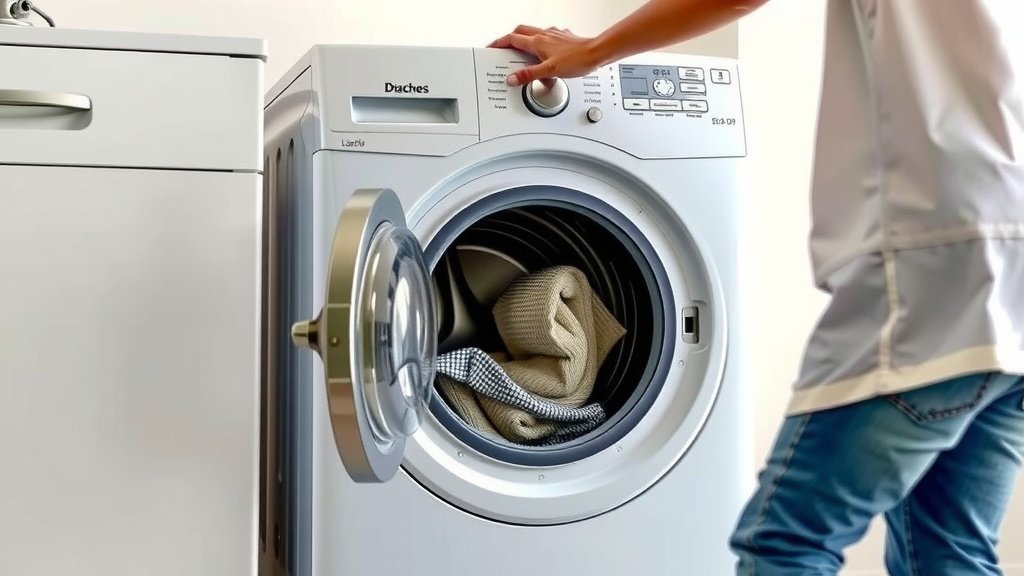
A simple trick is the “hand test.” After you’ve put your clothes in, try to stick your hand in on top of the load. You should be able to easily slide your hand in between the clothes and the top of the drum. If you have to force your hand in, or if there’s barely any space, your load is likely too full.
This method is a quick, visual cue that helps you gauge the space. Remember, even fluffy towels need room to expand and absorb water.
Signs You Might Be Overloading
Your washing machine is usually pretty good at telling you if something’s wrong. Sometimes, it’s not the obvious overstuffing, but subtle clues that indicate a problem. You might not even realize you’re overloading until it’s too late.
Poor Cleaning Results
The most common sign is that your clothes aren’t coming out as clean as they should. You might notice stubborn stains that remain, or a general dingy appearance after washing. This happens because the detergent can’t reach all surfaces effectively when clothes are packed too tightly.
Detergent might not rinse out properly, either. This can leave a residue on your clothes, making them feel stiff or even causing skin irritation for some people (American Academy of Dermatology Association).
Unusual Noises or Vibrations
Is your washing machine starting to sound like a jet engine preparing for takeoff? Overloading can cause an unbalanced load. When clothes can’t move freely, they can clump up on one side of the drum. This imbalance puts extra strain on the machine’s motor and suspension system.
You might notice excessive shaking, banging, or loud thumping sounds, especially during the spin cycle. These are red flags your machine is working harder than it should. Prolonged overloading can lead to premature wear and tear on your appliance.
Longer Wash Times
Have you noticed your wash cycles taking longer than they used to? Some modern machines have sensors that detect load size. If a load is too heavy or unbalanced, the machine may automatically adjust the cycle time or add extra rinses to try and correct the issue.
This is a protective measure, but it also means your laundry isn’t getting done as efficiently. You might be wasting water and energy if your machine is constantly trying to manage an overloaded drum.
How Different Fabric Types Affect Load Size
Not all laundry loads are created equal. The type of fabric you’re washing plays a big role in how much you can comfortably fit into your front-loader.
Lightweight Items
Things like t-shirts, pillowcases, and lightweight blouses are generally fine. You can usually fit a decent amount of these items. They don’t take up much space and they tumble easily. Just remember that rule of thumb: about three-quarters full.
Heavy Items
Jeans, towels, and bedding are where you need to be more cautious. These items are bulky and heavy, especially when wet. A load of towels, for instance, can quickly become too dense. Even if it doesn’t look completely full, the weight and density can still overload the machine’s motor.
We found that a load of heavy items like towels can often fill up the drum visually much faster than lightweight clothes. You might only be able to wash half the number of towels compared to t-shirts. It’s better to run two smaller loads of heavy items than one overloaded, inefficient wash.
Delicate Items
When washing delicates, it’s often best to use a smaller load. These items need gentle handling and plenty of space to prevent stretching or snagging. Mixing delicates with heavier items is usually not recommended, as the heavier items can damage the delicate fabrics.
Tips for Optimal Load Sizes
Getting the load size just right is a skill that improves with practice. Here are some practical tips to help you:
- Mix Item Sizes: For most regular loads, try to mix a few larger items with smaller ones. This helps prevent the smaller items from getting trapped and allows for better water circulation.
- Don’t Assume Capacity: Just because your machine has a large drum doesn’t mean you should fill it to the brim. Always leave that space at the top.
- Check Your Manual: Your washing machine’s manual will often have specific recommendations for load sizes. It’s worth a quick peek!
- Sort Smartly: Sorting by fabric type and color is essential, but also consider sorting by weight. This helps ensure you’re not overloading with heavy items.
The “Air Pocket” Method
Another way to think about it is leaving an “air pocket.” When you’re done loading, look at the top of the drum. You should see a noticeable amount of empty space. This space allows air and water to circulate, which is what your machine needs to clean your clothes effectively.
When in Doubt, Wash Less
It’s always better to err on the side of caution. If you’re unsure if your load is too big, it probably is. Running a slightly smaller load will still get your clothes clean and is much safer for your washing machine.
Checklist for Perfect Loads
Here’s a quick checklist to keep in mind:
- Can you easily slide your hand into the top of the drum?
- Do clothes look loosely packed, not crammed?
- Are you mixing items of different sizes (for most loads)?
- Is the machine quiet and stable during the spin cycle?
- Are your clothes coming out clean and fresh?
By paying attention to these simple guidelines, you’ll ensure your front-loader runs efficiently and keeps your laundry looking its best. Happy washing!
Conclusion
You’ve learned how to master your front-loader’s capacity. Remember the three-quarters full rule and the easy hand test to check your load. Avoiding overloading protects your machine and ensures your clothes get truly clean. Pay attention to your machine’s behavior; unusual noises or dingy clothes are clear signals. By mixing item sizes and considering fabric weight, you’ll achieve optimal wash cycles every time. The next time you load your machine, trust your instincts and leave a little space for better results. Your front-loader will thank you for it!
Frequently Asked Questions
How do I know if my front loader is too full without doing a load?
Before you start the wash, try the hand test. You should easily be able to slide your hand on top of the clothes and between them and the drum’s edge. If you have to force your hand in or there’s very little space, the load is likely too full.
Can I wash a mix of heavy and light items in my front loader?
Yes, for regular loads, mixing items of different sizes like towels with t-shirts can help your machine clean better. However, avoid mixing very heavy items like a full load of towels with very lightweight items. The heavy items can overwhelm the lighter ones and strain the machine.
What happens if I overload my front loader too often?
Consistently overloading your front loader can lead to poor cleaning performance, with stains and detergent residue left behind. It can also cause excessive wear and tear on your machine’s motor and suspension system, potentially shortening its lifespan. You might also notice longer wash times as the machine tries to compensate.
Does the size of the washing machine drum matter for load size?
While a larger drum allows for larger loads, the general rule of filling it only about three-quarters full still applies. The space is needed for clothes to tumble and for water and detergent to circulate effectively, regardless of the drum’s overall size.
Is it okay to fill my front loader all the way to the top if the clothes aren’t tightly packed?
Even if clothes aren’t tightly packed, filling the drum all the way to the top is generally not recommended. Clothes need room to move and tumble freely for proper cleaning. Leaving an “air pocket” at the top ensures adequate water circulation and agitation.

![7 Best Washing Machine For Apartment [In 2026]](https://homeunderstandable.com/wp-content/uploads/2026/08/7-best-washing-machine-for-apartment-in-2026-featured-768x432.jpg)
![7 Best Small Apartment Washer Dryer [In 2026]](https://homeunderstandable.com/wp-content/uploads/2026/08/7-best-small-apartment-washer-dryer-in-2026-featured-768x432.jpg)