Front Loader Water Usage: How Much Is Standard
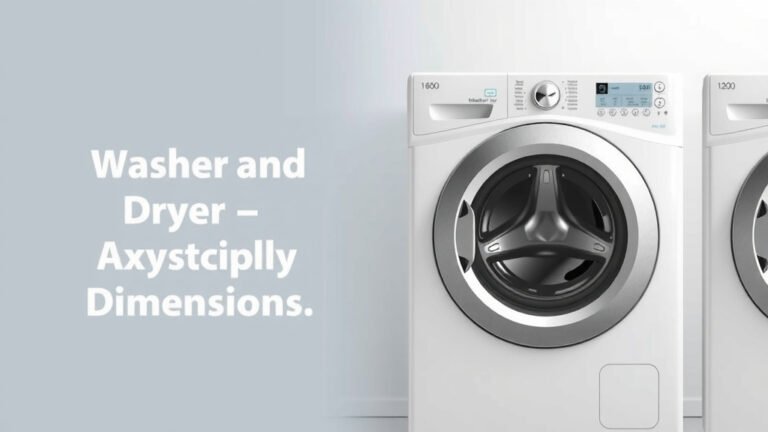
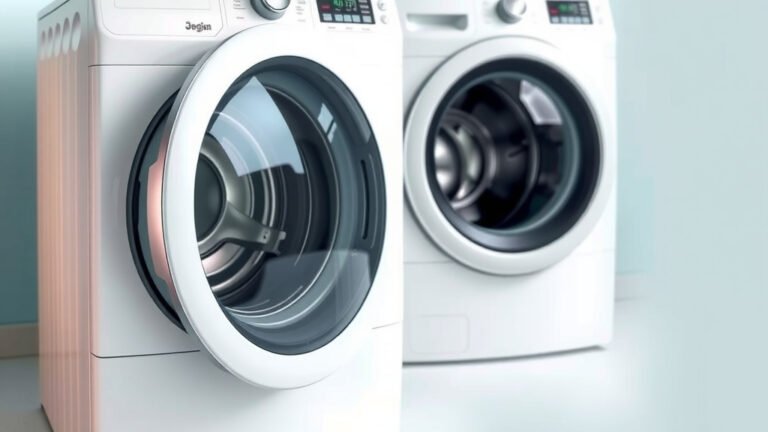
Front load washers are incredibly water-efficient. You can expect to use between 10 to 25 gallons of water per load. This is far less than older top-load models. Many front loaders are Energy Star certified for their water savings.
This efficiency comes from their tumbling action. Clothes are lifted and dropped into a shallow pool of water. This means less water is needed to wet the laundry. It’s a smarter way to get your clothes clean. You’ll see a big difference on your water bill too.
- Front loaders use 10-25 gallons per load.
- They are much more water-efficient than old top-loaders.
- Their tumbling action requires less water.
- Look for Energy Star certification.
- Save water and money with a front loader.
Let’s dive deeper into how front loaders achieve such great water savings and what that means for your household laundry routine.
So, you’re curious about how much water your front-loading washing machine actually uses. It’s a great question to ask! Saving water is good for your wallet and even better for the planet. Let’s break down the numbers and the reasons behind them.
Understanding Front Loader Water Consumption
Front load washers are known for being water sippers. They typically use between 10 and 25 gallons of water per cycle. This is a stark contrast to older top-loading machines. Those could easily guzzle 30 to 45 gallons for a single load.
The reason for this big difference lies in how they wash clothes. Front loaders use a tumbling action. Think of it like a gentle massage for your clothes. They tumble through a small amount of water at the bottom of the drum. This method is incredibly effective at cleaning. It also means much less water is needed overall.
How the Tumbling Action Works
Imagine a top-loader filling up completely, like a bathtub. Your clothes are just floating around. A front loader, on the other hand, only needs enough water to saturate the clothes at the bottom of the drum. As the drum spins, clothes are lifted and then dropped back into this shallow water. This creates a powerful washing action. It loosens dirt and stains efficiently.
This process is often compared to hand-washing clothes in a sink. You don’t need a whole tub of water to get them clean. You just need enough to work with the fabric and detergent. Front loaders mimic this smart approach on a larger scale.
Factors Affecting Water Usage
While the 10-25 gallon range is a good guideline, your actual usage can vary. Several factors play a role in this. It’s not a one-size-fits-all number.
Load Size Matters
Most modern front loaders have sensors. These sensors help detect the size of your load. They then adjust the water level accordingly. A small load will use less water than a very large one. This is a key feature for efficiency.
Wash Cycle Selection
Different wash cycles are designed for different needs. A delicate cycle might use slightly less water than a heavy-duty or sanitize cycle. Sanitize cycles often require more water to reach and maintain higher temperatures. Always check your manual for specifics on your model.
Water Pressure and Plumbing
The water pressure in your home can also have a minor impact. Very high pressure might fill the machine slightly faster. However, the machine is designed to regulate the amount of water it takes in. This makes the impact generally minimal for most households.
Machine Age and Model
Newer models are often even more efficient than older ones. Manufacturers are constantly innovating to reduce water and energy consumption. Look for the Energy Star certification. This label guarantees a certain level of efficiency set by the EPA.
Comparing Front Loaders to Other Washer Types
To really appreciate the water savings of a front loader, it helps to see how they stack up. The comparison is quite dramatic.
Front Loaders vs. Traditional Top Loaders
Traditional top-loading machines often use an agitator. This is the tall, finned post in the center of the drum. The agitator twists and turns, forcing clothes through the water. This requires the tub to be filled almost to the brim.
| Washer Type | Typical Water Usage (Gallons/Load) |
|---|---|
| Front Loader | 10 – 25 |
| High-Efficiency (HE) Top Loader | 15 – 30 |
| Traditional Top Loader (with Agitator) | 30 – 45+ |
As you can see, even high-efficiency (HE) top-loaders use more water than front loaders. HE top-loaders often use an impeller plate at the bottom instead of a central agitator. They still tend to fill with more water than front-loaders need.
Benefits of Lower Water Usage
Why is using less water such a big deal? For starters, it directly impacts your utility bills. Less water used means lower water and sewer charges. You’ll also use less energy to heat the water, saving on your electricity or gas bill.
Beyond your home, reduced water consumption has broader environmental benefits. Conserving water helps protect local water resources. It also reduces the energy needed for water treatment and pumping. Every little bit helps our planet stay healthy.
Maximizing Your Front Loader’s Efficiency
You’ve chosen a water-saving machine. Now, let’s make sure you’re using it to its full potential. It’s easy to get the most out of your front loader.
Proper Loading Techniques
Don’t overload the machine! You might be tempted to cram in an extra towel. However, overloading can actually make your clothes less clean. It also puts extra strain on the washer’s motor and suspension. Leave a little space at the top of the drum. This allows clothes to move freely.
Choosing the Right Cycle
Take a moment to select the most appropriate cycle. Is it a lightly soiled everyday load? A quick wash might do the trick. Are you washing sturdy items like jeans? A normal or heavy cycle is fine. Using a longer cycle than necessary doesn’t always mean cleaner clothes, but it can mean more water and energy use.
Using HE Detergent
Always use High-Efficiency (HE) detergent. These detergents are specially formulated for low-water machines. They create fewer suds. Too many suds can actually cushion the clothes. This prevents them from tumbling properly. Excess suds can also leave residue on your clothes and the machine.
Regular Maintenance
Keeping your machine in good shape ensures it runs efficiently. Regularly clean the detergent dispenser. Wipe down the door seal and the drum. This prevents mold and mildew. It also ensures water can drain properly. A well-maintained machine works best.
Think of your front loader as a smart appliance. It’s designed to do more with less. By understanding how it works and using it correctly, you’re making a great choice for your home and the environment. You’ll likely notice the difference in your bills too!
Conclusion
You’ve learned that front-load washers are champions of water efficiency, typically using only 10 to 25 gallons per load. This impressive saving comes from their smart tumbling action, which cleans clothes effectively with minimal water. By understanding load sizes, cycle selections, and using HE detergent, you can maximize your machine’s water-saving potential. Your choice to use a front loader benefits your wallet through lower utility bills and helps conserve precious water resources for a healthier planet. Ready to make the most of your efficient machine? Start by ensuring you’re using the correct HE detergent for every load.
Frequently Asked Questions
Do all front loaders use the same amount of water?
No, water usage can vary slightly. Factors like load size and the specific wash cycle you choose will impact the exact amount. Newer models and those with advanced sensors tend to be more precise in their water management.
Can I use regular detergent in my front loader?
It’s highly recommended to always use High-Efficiency (HE) detergent. Regular detergents create too many suds for front loaders. Excess suds can prevent clothes from tumbling properly and may leave residue on your laundry and inside the machine.
Does a “heavy duty” cycle use more water in a front loader?
Yes, generally, more intensive cycles like “heavy duty” or “sanitize” may use slightly more water. These cycles often need more water to effectively clean heavily soiled items or maintain higher temperatures for sanitization.
How does the tumbling action save water compared to old top-loaders?
Old top-loaders filled the entire tub, immersing clothes. Front loaders only need a shallow pool of water at the bottom. Clothes tumble through this small amount, getting saturated and cleaned efficiently without needing a full tub.
What is the advantage of an Energy Star certified front loader?
Energy Star certified washing machines meet strict water and energy efficiency standards set by the EPA. Choosing an Energy Star model guarantees you are getting a machine that is among the most water-saving and energy-efficient options available.
![7 Best Washer And Dryer Stackable [In 2026]](https://homeunderstandable.com/wp-content/uploads/2026/09/7-best-washer-and-dryer-stackable-in-2026-featured-768x432.jpg)