
Average Washer and Dryer Dimensions: A Buying Guide
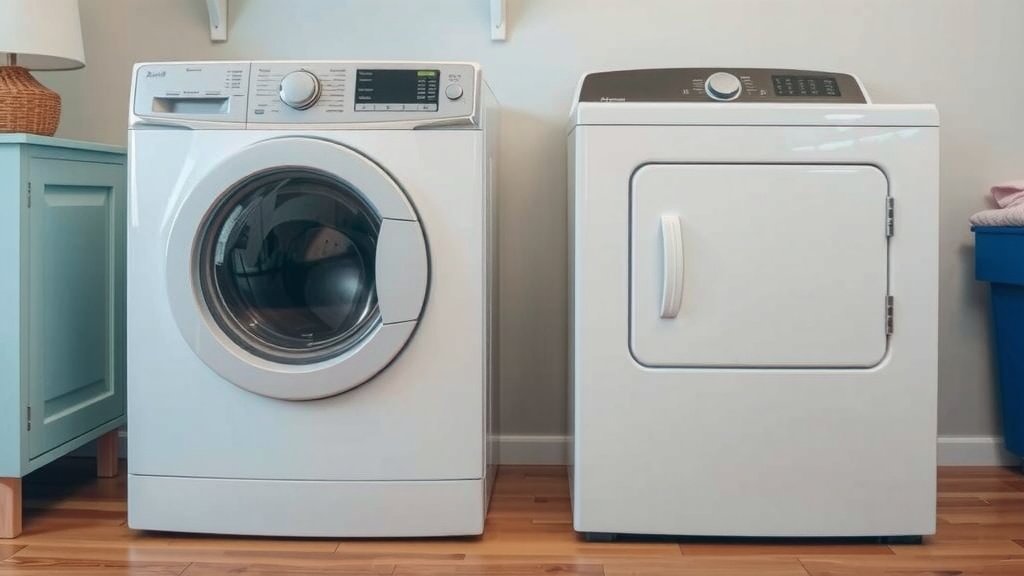
The average washer and dryer dimensions are generally around 27-30 inches wide and 28-34 inches deep. Most standard dryers are also about 36-40 inches tall, while washers can be slightly shorter. These dimensions help ensure they fit into most laundry spaces.
When you’re planning your laundry room layout, it’s smart to think about these common sizes. Many front-load units have similar widths, making them easy to pair. Understanding these typical measurements can save you a lot of hassle and potential headaches down the road.
- Most washers and dryers are about 27-30 inches wide.
- Depth typically ranges from 28-34 inches.
- Height for dryers is usually 36-40 inches.
- Washer height is often a bit less.
- These are standard sizes for fitting most spaces.
Let’s break down the average dimensions for both washers and dryers so you can get a clear picture for your home.
Understanding Typical Washer and Dryer Sizes
Knowing the average dimensions of washers and dryers is really helpful. It helps you plan your laundry space. This way, you avoid surprises when your new appliance arrives. Most standard machines are designed to fit common laundry rooms and closets. We’ll look at the typical widths, depths, and heights you’ll encounter. Our guide to the best washer and dryer set can help you choose.
Washer Dimensions: What to Expect
Washers come in various styles and capacities. Their sizes can differ slightly. However, most follow a standard set of dimensions. This makes it easier for homeowners to choose and install them.
Washer Widths: A Narrower Focus
When you’re measuring your space, start with the width. Most standard washing machines are about 27 to 30 inches wide. This is a very common size. It ensures they can fit through doorways and into most alcoves. Think of it like buying a standard-sized door; most fit. Some compact or apartment-sized models might be narrower, but these are the exceptions.
Washer Depths: How Far They Stick Out
The depth of a washer is important for clearance. You need space to open the door or lid. You also need room for hoses and ventilation. Average washer depths range from about 28 to 34 inches. This measurement usually includes the door or lid when closed. Remember to add a few inches for hoses and the space needed to access the back.
Washer Heights: Standing Tall (or Not So Tall)
Washer heights can vary a bit more than width or depth. Front-loading washers tend to be taller. Top-loading washers are often a bit shorter. A typical front-loader might stand around 39 to 40 inches tall. Top-loaders often measure closer to 35 to 36 inches in height. This difference can matter if you plan to stack a dryer on top.
Dryer Dimensions: Similar, But With a Twist
Dryers are built to work with washers. So, their dimensions are often quite similar. The main difference you’ll notice is often in their height. This is because many dryers are designed to be stacked.
Dryer Widths: The Standard Fit
Like washers, most standard dryers are 27 to 30 inches wide. This is the most common measurement. It allows them to be placed side-by-side with a matching washer. This consistent width is a major reason why pairing laundry appliances is so straightforward.
Dryer Depths: Room to Breathe
The depth of a dryer is generally around 28 to 34 inches. This measurement typically includes the door. You’ll need to factor in space for venting. The dryer vent hose needs to connect to the wall. Always allow a few extra inches behind the unit for this. Some deeper models exist for larger capacities.
Dryer Heights: Built for Stacking
Dryers are often a bit taller than washers. This is especially true if they are designed for stacking. You’ll typically find dryer heights ranging from 36 to 40 inches. Some models can be even taller. This extra height is sometimes to accommodate larger drums or stacking kits. Always check the exact height if you plan to stack.
Comparing Front-Loaders vs. Top-Loaders: Size Matters
When thinking about dimensions, the type of washer and dryer matters. Front-loading units often share similar dimensions. They are frequently designed to be stacked, with the dryer on top. Top-loaders can vary slightly more in height. This is because they aren’t typically designed for stacking in the same way.
Front-Loaders: Sleek and Stackable
Front-load washers and dryers are often the same width and depth. This makes them easy to pair and install as a set. Their height is usually consistent, allowing for stacking. Many homeowners prefer this look. It often feels more integrated into the laundry space.
Top-Loaders: Classic and Convenient
Top-load washers might be shorter than their front-load counterparts. This can be a factor if you have a low shelf or cabinet above where the washer will go. Top-load dryers are often similar in size to front-load models. They are less commonly stacked, though some arrangements are possible with special kits.
Extra Space Considerations: Don’t Forget These!
Beyond the appliance itself, you need to account for other factors. These ensure your appliances function properly and safely. They also make loading and unloading easier.
Door and Lid Clearance
You need enough space for the door or lid to open fully. For front-loaders, ensure there’s clearance for the door swing. For top-loaders, make sure the lid can open without hitting a cabinet. We found that most manufacturers recommend at least 15 inches of clearance in front of a front-load door.
Hoses and Venting Space
Don’t forget the back of the machines. Water hoses, drain hoses, and the dryer vent all need space. We suggest allowing at least 4 to 6 inches of clearance behind both units. This helps prevent kinks and ensures proper airflow. Good airflow is key for drying efficiency and safety (U.S. Fire Administration).
Accessibility for Maintenance
You might need to move the appliances for cleaning or repair. Leaving a little extra space around the sides can make this easier. It prevents scuffing walls and cabinets. It also allows for better air circulation, which can help prevent overheating.
A Quick Checklist for Measuring Your Space
Before you buy, grab your tape measure! Here’s a quick rundown of what to check:
- Measure the width of the space where the washer and dryer will go.
- Measure the depth of the space, considering wall obstructions.
- Measure the height of the space, especially for stacked units.
- Check the doorway width you’ll need to carry the appliances through.
- Note the location of water hookups and dryer vents.
- Add extra inches for door/lid swing and hose/vent connections.
By carefully considering these dimensions and clearances, you can confidently choose a washer and dryer that fits perfectly in your home. Happy laundry planning!
Conclusion
You’ve learned that standard washers and dryers typically measure around 27-30 inches wide and 28-34 inches deep. Dryers are often a bit taller, around 36-40 inches, compared to washers. Remember to factor in door swings and vent space for a perfect fit.
Planning ahead with these dimensions prevents costly mistakes. Your next step is to measure your laundry space carefully. Check doorways and clearances before you shop.
Frequently Asked Questions
Do all washers and dryers have the same dimensions?
No, not all washers and dryers have the exact same dimensions. While standard sizes are common for easy pairing, compact models or those with extra-large capacities can vary. Always check the specific product details for precise measurements before purchasing.
How much space do I really need behind my washer and dryer?
We found that it’s wise to allow 4 to 6 inches of clearance behind your washer and dryer. This space is essential for connecting hoses and dryer vents properly. It also ensures good airflow, which helps your appliances run efficiently and safely.
Can a washer and dryer fit through a standard doorway?
Generally, yes, standard washers and dryers can fit through most standard doorways, which are typically around 30-32 inches wide. However, it’s always best to measure your doorways and hallways before delivery. Sometimes, you might need to remove the doors to get them into place.
What’s the difference in size between a front-load and a top-load washer?
Front-load washers and dryers often have very similar dimensions, making them stackable. Top-load washers tend to be a bit shorter than front-loaders. This height difference is important if you have cabinets or shelving above your washer space.
Do I need to account for the door swing of a front-load washer?
Yes, absolutely. You need ample space for the door to swing open fully without obstruction. Most manufacturers recommend at least 15 inches of clearance in front of a front-load washer. This ensures easy access for loading and unloading laundry.
![7 Best Front Load Stackable Washer Dryer [In 2026]](https://homeunderstandable.com/wp-content/uploads/2026/09/7-best-front-load-stackable-washer-dryer-in-2026-featured-768x432.jpg)
![7 Best Stackable Compact Washer Dryer [In 2026]](https://homeunderstandable.com/wp-content/uploads/2026/09/7-best-stackable-compact-washer-dryer-in-2026-featured-768x432.jpg)

![7 Best Washing Front Load Washing Machine [In 2026]](https://homeunderstandable.com/wp-content/uploads/2026/09/7-best-washing-front-load-washing-machine-in-2026-featured-768x432.jpg)