How to Clean Your Front Loader Washer: Step-by-Step Guide
The best way to clean your front loader is by running a hot water cycle with a specialized washing machine cleaner or a cup of white vinegar. This helps to remove odor-causing mold and mildew. Regular cleaning prevents buildup, keeping your clothes fresh.
Your front loader can develop smells over time. This often happens because the rubber door seal traps moisture and debris. A clean machine performs better and prevents lingering odors from transferring to your laundry. Many people find this simple process surprisingly effective.
- Run a hot cycle with cleaner or vinegar.
- Clean the door seal regularly.
- Wipe down the inside of the drum.
- Leave the door ajar between washes.
- Deodorize with baking soda.
Let’s walk through exactly how to get your front loader sparkling clean, step by step.
Keeping Your Front Loader Fresh and Clean
Your front loader washing machine works hard. It keeps your clothes looking and smelling great. But over time, grime can build up inside. This can lead to unpleasant odors and even affect how well it cleans. We’ll walk you through how to easily clean your machine. You’ll have it smelling fresh again in no time.
The Importance of Regular Cleaning
Think of your washing machine like any other appliance. It needs occasional maintenance. A dirty washing machine can harbor mold and mildew. These can transfer to your laundry. This is especially true for front loaders because the door seal traps moisture. Regular cleaning prevents this buildup. It ensures your clothes come out truly clean.
Many experts recommend cleaning your washing machine every month. This simple routine can prevent stubborn smells. It also helps your machine run more efficiently. A well-maintained machine lasts longer too. Isn’t that what we all want?
Step-by-Step Cleaning Process
1. The Hot Water Cycle: Your First Line of Defense
The most effective way to tackle interior grime is a hot water cycle. This heat helps to dissolve detergent residue. It also kills bacteria and mold. You’ll want to run this cycle empty. This means no clothes inside the drum.
Using a Washing Machine Cleaner
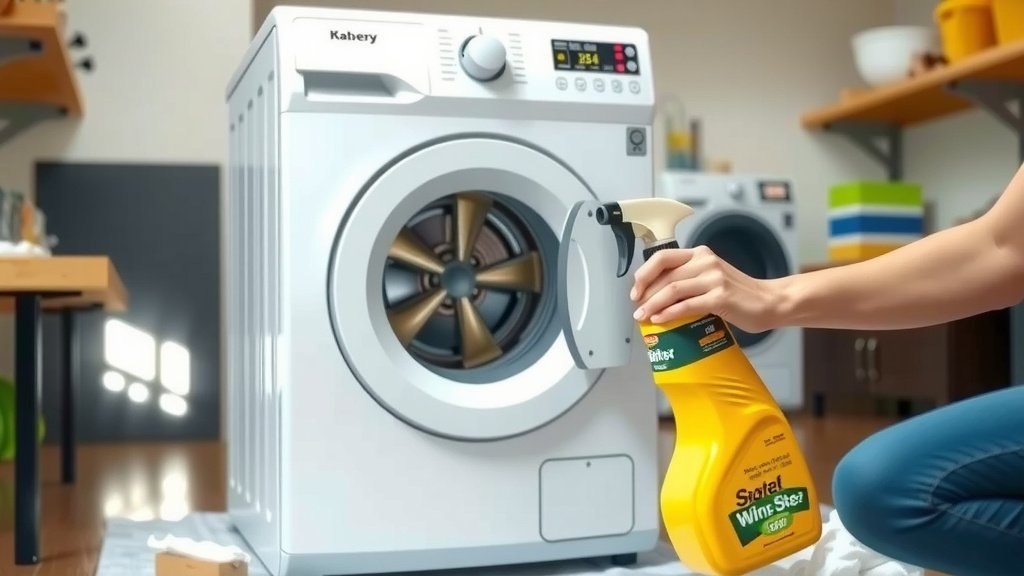
There are many specialized washing machine cleaners available. These are formulated to break down buildup. Follow the instructions on the product packaging carefully. Most require you to pour the cleaner directly into the drum. Then, run the hottest, longest cycle your machine offers.
The Vinegar Method: A Natural Alternative
White vinegar is a fantastic natural cleaner. It’s also a great deodorizer. For this method, pour about two cups of white vinegar directly into the detergent dispenser. Or, you can pour it directly into the drum. Again, run the hottest, longest cycle available. The acidity of the vinegar helps to break down soap scum. It also neutralizes odors.
2. Cleaning the Door Seal: A Mold Hotspot
This is a critical step many people miss. The rubber gasket around the door can collect lint, hair, and moisture. This creates a perfect breeding ground for mold. You’ll need a damp cloth. You might also need a soft brush or an old toothbrush for tight spots.
Gently pull back the rubber seal. Wipe away any visible debris. Pay close attention to the folds and crevices. For stubborn mold or mildew, you can use a solution of equal parts water and white vinegar. Apply it to a cloth and wipe the seal. Rinse the cloth and wipe the seal again to remove the vinegar. Ensure you dry the seal thoroughly afterward.
3. Wiping Down the Drum and Interior
After the hot water cycle, take a look inside the drum. You might see some loose debris. Use a clean cloth to wipe down the interior surfaces. This includes the inside of the door and the drum itself. Ensure no residue is left behind.
4. Cleaning the Detergent Dispenser Drawer
The dispenser drawer can also get clogged with detergent residue. This can lead to mold growth and affect water flow. Most dispenser drawers can be removed. Check your machine’s manual for specific instructions. Once removed, wash it with warm, soapy water. Use an old toothbrush to scrub away any dried-on detergent. Rinse it thoroughly and dry it before putting it back.
5. The Baking Soda Deodorizing Boost
If you’re still noticing a slight odor after cleaning, baking soda can help. Sprinkle about half a cup of baking soda directly into the drum. Run another hot water cycle. Baking soda is a natural deodorizer. It can absorb lingering smells.
6. Keeping Your Machine Fresh Between Washes
Prevention is key! After each wash, leave the washing machine door slightly ajar. This allows air to circulate. It helps the drum and seal dry out completely. This greatly reduces the chances of mold and mildew forming. It’s a simple habit that makes a big difference.
Troubleshooting Common Issues
Persistent Odors
If odors persist after a thorough cleaning, you might have a deeper issue. Check the drain hose for blockages. Sometimes, lint or small items can get lodged there. Your machine’s manual can guide you on how to inspect this. A blocked drain can prevent proper water expulsion.
Water Not Draining
This is often a sign of a clogged filter or drain pump. Most front loaders have a small access panel at the bottom front. Inside, you’ll find a filter. Carefully open it (have towels ready for residual water!). Clean out any lint, coins, or debris. Refer to your manual for specific instructions on your model.
Frequency Guide for Cleaning
How often should you really be cleaning your front loader? Here’s a simple guide:
- Monthly: Run a hot water cycle with cleaner or vinegar.
- Monthly: Wipe down the door seal thoroughly.
- Every Few Months: Clean the detergent dispenser drawer.
- As Needed: Check and clean the drain pump filter.
- Always: Leave the door ajar between washes.
This routine will keep your machine running smoothly. It will also ensure your laundry always smells fresh and clean. A happy machine means happy clothes!
Conclusion
You’ve learned how to banish those lingering odors and keep your front loader in top shape. Regular cleaning isn’t just about freshness; it’s about maintaining your machine’s efficiency and longevity. By following the simple steps—running hot cycles, cleaning the seal, and allowing airflow—you ensure your clothes come out truly clean. Make these habits part of your routine for a consistently fresh-smelling laundry experience. Ready to get started? Pick a day this week to give your washing machine the spa treatment it deserves!
Frequently Asked Questions
How often should I clean my front loader?
We recommend running a hot water cycle with a cleaner or vinegar at least once a month. Additionally, you should wipe down the door seal after every few washes. Cleaning the detergent dispenser and checking the drain filter can be done every few months or as needed.
Can I use bleach to clean my front loader?
While bleach can disinfect, it’s generally not recommended for regular washing machine cleaning, especially in front loaders. It can degrade rubber seals over time. White vinegar or specialized washing machine cleaners are safer and more effective for removing mold and mildew buildup.
What if my washing machine still smells after cleaning?
If odors persist, check the drain hose for blockages or lint buildup. Your machine’s manual can guide you on how to safely inspect and clear it. A clogged filter in the drain pump area is another common cause of persistent smells and drainage issues.
Is it really necessary to leave the door ajar?
Yes, it’s a surprisingly effective habit! Leaving the door slightly open between washes allows for proper air circulation. This helps to dry out the drum and the rubber seal, significantly reducing the moisture that mold and mildew need to grow.
What’s the best way to clean stubborn mold from the door seal?
For stubborn mold, use a solution of equal parts water and white vinegar. Apply this mixture to a cloth and gently scrub the affected areas of the rubber seal, paying attention to crevices. Afterward, wipe the seal with a clean, damp cloth and dry it thoroughly.
![7 Best Small Stackable Washer And Dryer [In 2026]](https://homeunderstandable.com/wp-content/uploads/2026/09/7-best-small-stackable-washer-and-dryer-in-2026-featured-768x432.jpg)