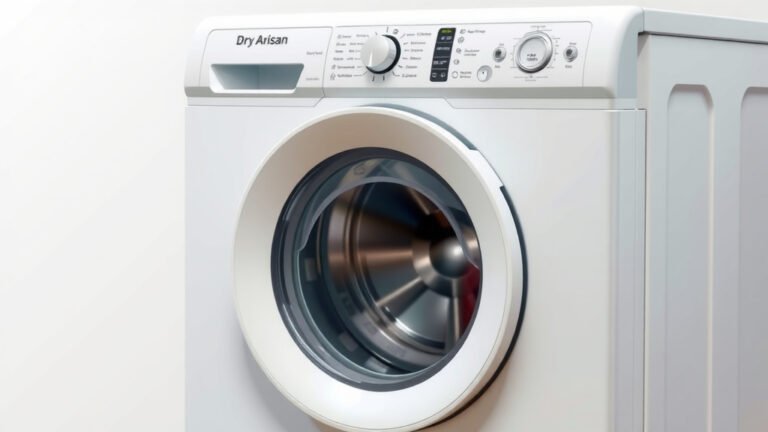
Front Loading Washers: Why They’re a Superior Choice
Front loading washers are generally considered better because they use less water, clean clothes more thoroughly, and are gentler on your garments. They achieve this by tumbling clothes through a small amount of water, mimicking a natural washing motion that’s effective and efficient. This design also spins clothes faster, meaning less time is spent in the dryer.
When you’re looking for a washing machine that saves you money on utility bills and keeps your favorite outfits looking newer for longer, the front-loader is often the top choice. Many studies and consumer reports have consistently shown their advantages over traditional top-loading machines in terms of performance and resource conservation. You might even find they hold more laundry than you expect.
- They use less water.
- They clean clothes more effectively.
- They are gentler on fabrics.
- They often use less energy overall.
Let’s dive deeper into why a front-loading washer might be the perfect fit for your laundry room and your budget.
Why Front Load Washers Shine in Your Laundry Room
If you’ve been wondering about upgrading your washing machine, you’re likely weighing the pros and cons of different types. Many people find that front-loading washers are a superior choice for several compelling reasons. They’re not just a trend; they represent a smarter way to do laundry. We’ve found that this type of washer often leads to better results and significant savings over time. Let’s look at why they’re often considered the best option.
Water Efficiency: A Smart Way to Save
One of the most significant advantages of front-loading washers is their impressive water efficiency. Unlike traditional top-loaders that often fill the entire tub, front-loaders use much less water. They only need enough water to wet the clothes and create the necessary suds.
How They Achieve Water Savings
Front-loaders work by tumbling clothes through a small pool of water at the bottom of the drum. This action mimics the way clothes might be washed by hand in a basin. This method is highly effective for cleaning without needing to submerge the entire load. Research consistently shows that front-loaders can use up to 40% less water than their top-loading counterparts (Consumer Reports).
Environmental and Cost Benefits
Using less water means lower utility bills. You’ll see a noticeable difference in your water and sewer costs. Beyond your wallet, this efficiency is also better for the environment. Conserving water is a critical goal for many households. Fewer gallons used means less strain on local water resources.
Superior Cleaning Performance
Don’t let the smaller amount of water fool you; front-loaders are often more effective at cleaning clothes. The tumbling action, combined with specialized wash cycles, can tackle tough stains and dirt more thoroughly. Your clothes come out looking cleaner and brighter.
The Tumbling Action Explained
Imagine your clothes being lifted and dropped back into the water. This constant movement works the detergent deep into the fabric fibers. It also helps to dislodge dirt and grime more efficiently. This is different from the agitation of a top-loader, which can sometimes just swish clothes around without as much deep cleaning power.
Gentle on Your Garments
Because front-loaders don’t rely on a central agitator or a large volume of water to move clothes, they are kinder to your fabrics. The gentle tumbling motion reduces friction and snagging. This means your clothes, especially delicate items, are less likely to get stretched, torn, or worn out prematurely. Over time, this can help your favorite outfits last longer, saving you money on replacements.
Energy Efficiency and Faster Drying
When you combine water savings with how front-loaders spin, you get an appliance that’s more energy-efficient overall. Less hot water used means less energy consumed by your water heater. Plus, the spinning action is key.
High-Speed Spinning for Less Moisture
Front-loading machines are designed to spin at much higher revolutions per minute (RPM) than most top-loaders. This powerful spin cycle extracts a remarkable amount of water from your clothes. We found that clothes come out noticeably drier than when using a traditional top-loader.
Reduced Dryer Time and Energy Use
When your clothes are spun drier in the washer, they require less time in the dryer. This directly translates to lower energy consumption for drying, which is often the most energy-intensive part of doing laundry. You’re not just saving on water; you’re also saving on electricity or gas for your dryer.
Capacity and Space Considerations
Many people worry that front-loaders might have a smaller capacity. However, we’ve found that most modern front-loaders offer generous drum sizes. The absence of an agitator in the center of the drum means more space for your laundry. This allows for larger loads and bulkier items like comforters.
Maximizing Your Laundry Space
Front-loaders also offer a unique advantage for smaller homes or apartments. Their flat tops mean you can install a dryer directly on top with a stacking kit. This is a fantastic space-saving solution. It can free up valuable floor space in your laundry area, making it feel much less cramped.
Advanced Features and Cycles
Front-loading washers often come packed with innovative technology and specialized wash cycles. You’ll find options for sanitizing, steam cleaning, allergen removal, and quick washes. These features cater to specific needs, from tackling stubborn allergens to getting a load done in a hurry.
Smart Technology Integration
Many newer models include smart features. You can often connect them to your home Wi-Fi. This allows you to monitor wash cycles, receive notifications when a load is finished, and even start or stop the machine remotely using a smartphone app. This convenience can be a real lifesaver for busy households.
Things to Keep in Mind with Front Loaders
While front-loaders have many advantages, there are a couple of points to be aware of. Because they use so little water, it’s important to use the correct amount and type of detergent. Using too much can lead to excessive suds and residue. High-efficiency (HE) detergents are specifically designed for these machines. You might also need to wipe down the door seal occasionally to prevent mold or mildew, as it traps moisture.
Your Front-Loader Checklist
Ready to consider a front-loader? Here’s what to think about:
- Check for HE detergent compatibility.
- Look at the RPM for spin speed.
- Consider if stacking is an option for you.
- Review the capacity needed for your household size.
- Explore the different wash cycles offered.
- Read reviews on specific models you’re interested in.
A Comparison at a Glance
To help visualize the differences, consider this table:
| Feature | Front Loader | Traditional Top Loader |
| Water Usage | Low | High |
| Cleaning Action | Tumbling (Gentle, Deep) | Agitation (More Wear) |
| Spin Speed (RPM) | High | Lower |
| Energy Use (Overall) | Lower | Higher |
| Fabric Care | Gentler | Harsher |
| Stackable Design | Yes (Common) | No |
| Detergent Type | HE Only | Standard or HE |
As you can see, the design of front-loaders leads to significant efficiencies in water, energy, and fabric care. This makes them a wise investment for many households looking to upgrade their laundry experience.
Conclusion
You’ve learned how front-loading washers offer a smarter approach to laundry. They excel by using less water and energy, providing a deeper clean, and being gentle on your clothes. This means lower utility bills and garments that last longer. Their design also opens up space-saving opportunities and offers advanced features for modern convenience. If you’re looking to upgrade your laundry routine, a front-loader is a sound investment for efficiency and care. Consider your household needs and take the next step towards a better laundry experience today.
Frequently Asked Questions
Do front load washers really clean better than top loaders?
Yes, research and user experience often show front-loaders clean better. Their tumbling action works detergent deep into fabrics. This method is more effective at removing dirt and stains compared to traditional top-loader agitation.
Are front load washers more expensive to maintain?
While the initial cost can sometimes be higher, front-loaders generally offer long-term savings. Their water and energy efficiency reduce utility bills. Regular maintenance, like wiping the door seal, is simple and prevents potential issues like mold.
How long does a load of laundry typically take in a front loader?
Wash cycle times can vary depending on the model and selected cycle. Many front-loaders offer quick wash options for smaller loads. Because they spin clothes drier, your overall laundry time, including drying, can be reduced.
Can I add clothes to a front load washer mid-cycle?
Most front-loaders do not allow you to add clothes once the cycle has started, especially once water has filled the drum. This is for safety and to maintain the efficiency of the wash. Some newer models may have a small window to add forgotten items early in the cycle.
Why do front load washers need special HE detergent?
Front-loaders use much less water, so they require High-Efficiency (HE) detergent. This type of detergent is formulated to produce fewer suds. Using regular detergent can create too many suds, which can prevent proper rinsing and potentially damage the machine.
![7 Best Apartment Size Washer And Dryer Stackable [In 2026]](https://homeunderstandable.com/wp-content/uploads/2026/08/7-best-apartment-size-washer-and-dryer-stackable-in-2026-featured-768x432.jpg)
![7 Best Home Washing Machines [In 2026]](https://homeunderstandable.com/wp-content/uploads/2026/08/7-best-home-washing-machines-in-2026-featured-768x432.jpg)
![7 Best Small Washing Machines For Apartments [In 2026]](https://homeunderstandable.com/wp-content/uploads/2026/08/7-best-small-washing-machines-for-apartments-in-2026-featured-768x432.jpg)
![7 Best Mini Washing Machine With Dryer [In 2026]](https://homeunderstandable.com/wp-content/uploads/2026/08/7-best-mini-washing-machine-with-dryer-in-2026-featured-768x432.jpg)