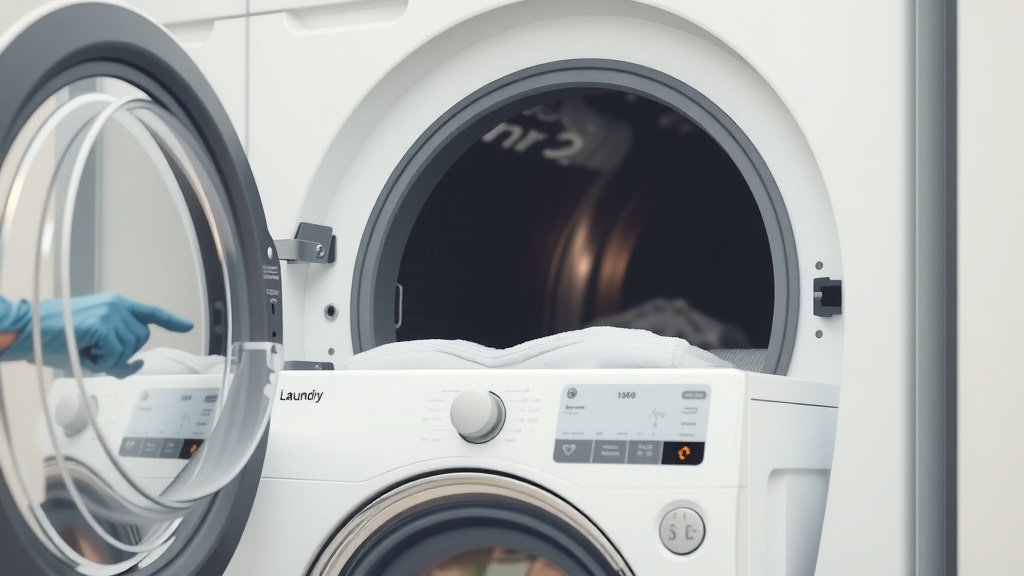
Front Load Washer Laundry Guide: Step-by-Step Instructions
Doing laundry in a front load washer is actually quite simple! You’ll want to sort your clothes, add the right amount of detergent, select the correct cycle, and run the machine. It’s a different process than a top-loader, but just as effective once you get the hang of it.
Many people wonder if front loaders use less water or are gentler on fabrics, and research suggests they often do. We found that understanding the specific cycles your machine offers can also help you achieve cleaner clothes with less wear and tear. Let’s demystify the process for you.
- Sort lights, darks, and delicates.
- Use HE (High-Efficiency) detergent.
- Don’t overfill the drum.
- Wipe down the door seal.
Ready to get started? We’ll walk you through each step to ensure your front load washer works its magic, leaving your clothes fresh and clean.
Getting Started with Your Front Load Washer
Using a front load washer might seem a little different from a top-loader. You’ll need to adjust your routine slightly. But don’t worry, it’s quite straightforward! We’ll walk you through the entire process, step by step. You’ll be a front-loader pro in no time. This guide will help you get the cleanest laundry possible.
Sorting Your Laundry: The Foundation of Clean Clothes
Before you even think about the machine, sorting is key. It’s the first important step for protecting your clothes. Mixing colors can lead to color bleeding. Whites can get dingy if washed with darks. So, let’s get this right from the start. It makes a big difference.
Separating Colors and Fabrics
Always separate your laundry into piles. You’ll want a pile for whites, a pile for lights (like pastels and beige), and a pile for darks (like blacks, navies, and deep grays). Additionally, consider a separate pile for bright colors. Reds, oranges, and vibrant blues can sometimes bleed. Washing them alone prevents unwanted color transfer (CDC). This simple act saves your favorite shirts.
Delicates and Special Care Items
Some items need extra gentle treatment. Think lingerie, silks, or anything with lace. These should go into a mesh laundry bag. This bag acts like a protective shield. It prevents snagging and stretching during the wash cycle. Always check garment care labels. They offer the best advice for specific fabrics.
Understanding Detergent and Loading Your Washer
Front load washers use detergent differently than older top-loaders. They are designed to be water-efficient. This means using the right type and amount of detergent is crucial. Overusing detergent can cause problems. It can leave residue on your clothes and even damage your machine over time.
Choosing the Right Detergent
You’ll need to use a High-Efficiency, or HE, detergent. These are specifically formulated for front load washers. HE detergents produce fewer suds. This is important because too many suds can interfere with the washing action. It can also lead to residue buildup. You can find HE detergents in liquid, powder, or pod form. Most research points to liquid HE detergent as being very effective (University of Consumer Information). Look for the “HE” symbol on the packaging.
How Much Detergent to Use?
This is where many people get it wrong. Front loaders use much less water. Therefore, they need much less detergent. Check the detergent’s packaging for recommended amounts. Your washer’s manual will also offer guidance. Usually, a capful or a small amount is all you need. For a standard load, about one to two tablespoons of liquid HE detergent is often sufficient. It’s better to use too little than too much.
Loading the Drum Correctly
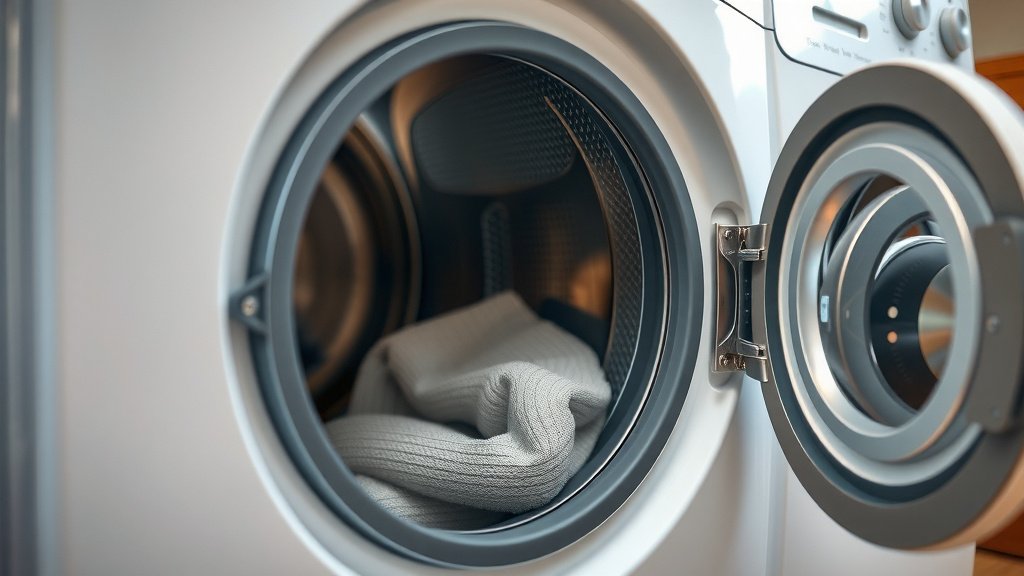
Don’t stuff the washer full. Clothes need room to tumble and move freely. This allows water and detergent to reach all areas of the load. A good rule of thumb is to fill the drum no more than two-thirds full. You should be able to easily fit your hand vertically between the top of the clothes and the top of the drum. Overloading can prevent clothes from getting truly clean. It also puts unnecessary strain on your machine.
Selecting the Right Wash Cycle
Front load washers come with a variety of cycles. Each cycle is designed for different types of loads. Choosing the correct one helps ensure optimal cleaning. It also helps protect your garments from damage. Your machine’s panel will have different options.
Common Wash Cycles Explained
Here’s a quick rundown of some typical cycles you might find:
- Normal/Cotton: Good for everyday items like t-shirts, jeans, and towels. Uses a medium spin speed.
- Perm. Press/Synthetics: For durable synthetic fabrics. Has a slower spin speed to reduce wrinkling.
- Delicate/Hand Wash: Gentle cycle for delicate fabrics like lace or silk. Uses low spin speed and less agitation.
- Heavy Duty: For heavily soiled items like work clothes or muddy sports gear. Uses more water and a longer wash time.
- Quick Wash/Speed Wash: For lightly soiled items you need fast. Shortens the wash and rinse times.
Understanding Water Temperature Settings
Water temperature plays a role in cleaning. Hot water is best for whites and heavily soiled items. It kills germs and removes tough stains. However, hot water can cause colors to fade and can shrink certain fabrics. Warm water is a good all-around choice for most loads. It offers good cleaning power without excessive fading. Cold water is ideal for bright colors, darks, and delicates. It’s also the most energy-efficient option (Energy Star). Always check garment labels.
Running the Wash Cycle and Aftercare
Once you’ve sorted, loaded, and selected your settings, you’re ready to press start! The machine will take it from there. But there are a couple of things to remember for the best results and to keep your machine in top shape.
Starting the Wash
Simply close the door firmly. Select your desired cycle and temperature. Then, press the start button. Most machines will lock the door once the cycle begins. You won’t be able to add or remove items after this point. If you forget something, you’ll have to wait until the next load.
Unloading Promptly
As soon as the cycle finishes, unload your laundry. Leaving wet clothes in the washer can lead to mildew. This causes unpleasant odors and can even transfer to your clean clothes. Prompt unloading helps keep everything fresh and smelling great.
Wiping Down the Door Seal and Drum
This is a vital step for front loaders. After unloading, take a dry cloth and wipe down the rubber door seal. Water and detergent can collect here. This can lead to mold and that tell-tale musty smell. Also, leave the door ajar when not in use. This allows the drum to air out and dry completely. Many experts recommend this simple maintenance (Consumer Reports). It prevents odors and keeps your machine working efficiently.
Here’s a quick checklist for your next load:- Check care labels on all your garments.
- Sort clothes by color and fabric type.
- Use only HE detergent.
- Don’t overfill the drum.
- Select the appropriate wash cycle and temperature.
- Unload laundry immediately after the cycle ends.
- Wipe down the door seal and leave the door ajar.
Conclusion
You’ve now learned the essential steps to master your front load washer. From properly sorting your clothes and selecting the right HE detergent to choosing the perfect cycle and performing simple aftercare, you’re well on your way to cleaner, fresher laundry. Remember, a little attention to detail goes a long way in keeping your garments looking their best and your machine running smoothly. So, go ahead and give it a try with your next load. You’ve got this!
Frequently Asked Questions
How do I know if I’m using too much HE detergent?
If you notice excess suds overflowing, or clothes still feel stiff and have a residue after washing, you’re likely using too much HE detergent. Your front load washer is designed for efficiency, so a small amount is usually all that’s needed. Always refer to your detergent’s packaging and your washer’s manual for precise measurements.
Why does my front load washer sometimes smell musty?
The rubber door seal on front load washers can trap moisture and detergent residue, leading to mold and mildew growth. This is why it’s so important to wipe down the seal after each use and leave the door ajar to allow for proper air circulation. Regular cleaning of the detergent dispenser can also help prevent odors.
Can I wash my delicates with my regular clothes in a front load washer?
It’s best to keep delicates separate. While front loaders are gentler, items like lace, silk, or lingerie can still snag or stretch. Using a mesh laundry bag provides an extra layer of protection. Always check the garment’s care label for specific washing instructions and consider using the “Delicate” or “Hand Wash” cycle.
Is it okay to overload my front load washer?
No, it’s never a good idea to overload your front load washer. Clothes need room to tumble freely in the water and detergent for effective cleaning. Overloading can lead to clothes not getting clean, increased wrinkling, and unnecessary strain on your machine’s motor and drum. Aim to fill the drum no more than two-thirds full.
When should I use hot water versus cold water in my front load washer?
Hot water is best for heavily soiled whites and bedding to kill germs and tackle tough stains, but it can cause colors to fade and fabrics to shrink. Warm water is a good all-around setting for most everyday loads. Cold water is ideal for dark colors, brights, and delicates, as it helps prevent color bleeding and is the most energy-efficient choice.
![7 Best Place To Buy Washer And Dryer Sets [In 2026]](https://homeunderstandable.com/wp-content/uploads/2026/09/7-best-place-to-buy-washer-and-dryer-sets-in-2026-featured-768x432.jpg)
![7 Best Apartment Stackable Washer And Dryer [In 2026]](https://homeunderstandable.com/wp-content/uploads/2026/09/7-best-apartment-stackable-washer-and-dryer-in-2026-featured-768x432.jpg)