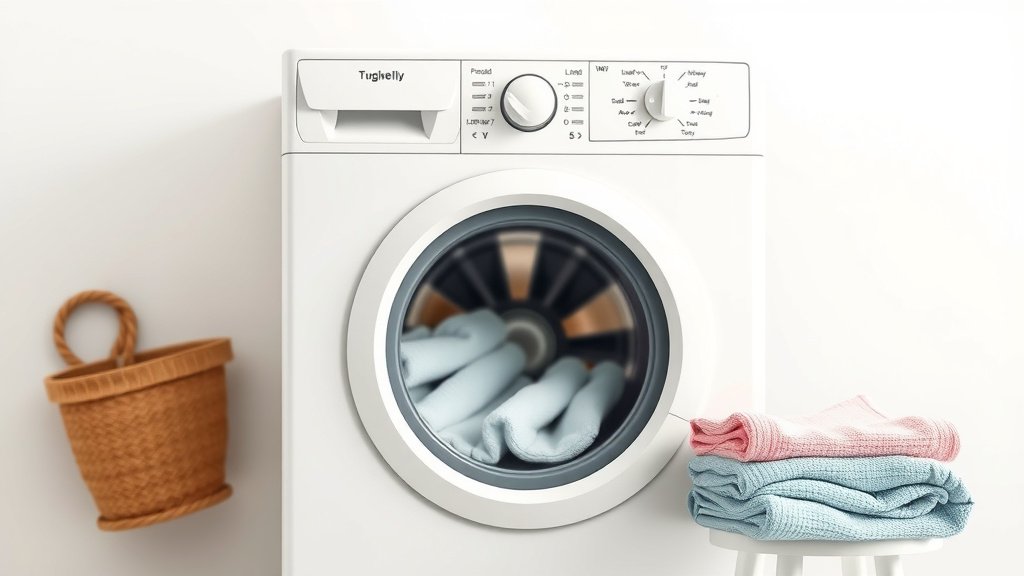
How to Wash New Towels in a Front Loader
Yes, you can absolutely wash new towels in a front loader. It’s actually a really effective way to get them clean. This first wash helps remove manufacturing residues and makes them more absorbent. You’ll want to use a gentle detergent and a warm water setting.
Washing new towels before their first use is a good habit for any household. It ensures they are hygienic and ready for use. Plus, it helps to soften the fabric and prepare them for optimal absorbency. Many experts agree this initial step is key to towel longevity.
- Always wash new towels separately the first time.
- Use a gentle, liquid detergent.
- Opt for a warm water cycle.
- Avoid fabric softener on new towels.
- Tumble dry on a low setting.
Let’s get your new towels feeling fresh and ready for action. We’ll walk through the best way to get them perfectly clean in your front loader, step by step.
“`htmlGetting Your New Towels Ready for Use
So, you’ve got a stack of brand-new towels. They feel crisp and maybe a little stiff, right? That’s totally normal! Before they become your go-to for drying off, giving them a proper wash in your front loader is super important. This first wash isn’t just about tidiness; it’s about preparing them for their best performance and making sure they’re as hygienic as possible. We’ll guide you through the simple steps to get your new towels feeling wonderfully soft and absorbent.
Why That First Wash Matters So Much
Think of that initial wash as a spa day for your towels. It’s a chance to remove any lingering manufacturing residues or chemicals. These can sometimes affect absorbency and even cause that dreaded stiffness. Research suggests that this pre-wash step can significantly improve a towel’s ability to soak up water later on (Cleveland Clinic).
You might also notice they don’t absorb water very well at first. That’s because of a sizing agent applied during manufacturing. This wash helps to strip that away. It’s like breaking in a new pair of shoes – a little effort upfront makes them much more comfortable and effective down the line. Plus, who wants to use a towel that might have touched who-knows-what on its journey to your home?
Boosting Absorbency: The Science Behind It
The fibers in new towels are often tightly wound. This can create a barrier, making it harder for water to penetrate. The washing process helps to loosen these fibers. This allows them to expand and create more surface area. More surface area means more space for water to be absorbed. It’s a simple principle that makes a big difference in how your towels feel and function.
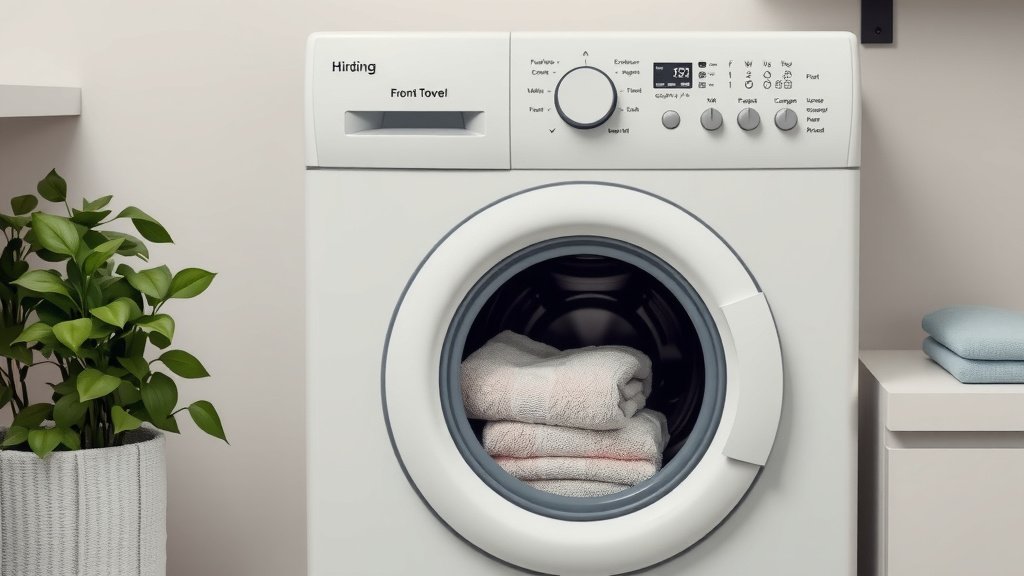
Your Step-by-Step Guide to Washing New Towels in a Front Loader
Washing new towels in a front loader is straightforward. Just follow these few tips, and you’ll be enjoying fluffy, absorbent towels in no time. Let’s break it down!
Step 1: Separate Your Towels
For their very first wash, it’s best to wash new towels separately. This means no mixing them with your regular laundry. Why? Well, new towels can sometimes bleed dye, especially darker colors. Keeping them on their own prevents that color transfer onto your other clothes or linens. Think of it as giving them their own personal bubble bath for this important first cleanse.
Step 2: Load Your Front Loader Wisely
Don’t stuff the machine too full. Towels need space to move around freely in the wash. Overloading can prevent proper cleaning and rinsing. Leave some room at the top of the drum – about two-thirds full is a good guideline. This ensures water and detergent can circulate effectively, reaching all parts of the towels.
Step 3: Choose the Right Detergent and Setting
This is where things get a bit specific. For that initial wash, we recommend using a gentle, liquid detergent. Avoid powdered detergents, as they can sometimes leave residue. Also, steer clear of any detergents with added fabric softeners or bleach for this first wash. These can actually hinder absorbency.
Regarding the water temperature, a warm water setting is generally recommended. The warmth helps to activate the detergent and effectively remove any manufacturing residues. Most experts suggest a temperature around 105°F (40°C) is ideal for this purpose (CDC). Just make sure your towels are colorfast before using warm water. If you’re unsure, a cold wash is always a safer bet.
Why No Fabric Softener (Especially Now!)
This is a big one! Fabric softeners coat the fibers of your towels. This coating makes them feel softer, but it dramatically reduces their absorbency. For new towels, you want maximum absorbency from the get-go. So, skip the fabric softener entirely for the first wash, and even for subsequent washes if absorbency is your top priority.
Step 4: The Wash Cycle Itself
Select a normal or regular wash cycle. For most front loaders, this is perfectly adequate. The goal is a thorough but not overly aggressive clean. Some machines have a specific “towels” or “bulky items” setting, which can also be a great option. Just ensure it uses enough water and agitation to get the job done. Avoid heavy-duty cycles for new towels; they’re usually overkill at this stage.
Step 5: Rinsing for Maximum Fluffiness
A good rinse is key to removing all detergent. You might even consider using the extra rinse option if your machine has it. This ensures no soapy residue is left behind, which can make towels stiff or less absorbent. A thorough rinse is the unsung hero of soft, fluffy towels.
Step 6: Drying Your Towels
Once the wash cycle is complete, move your towels to the dryer promptly. Leaving them in the washing machine can lead to mildew and unpleasant odors. For drying, the low heat setting on your dryer is your best friend. High heat can damage the fibers over time, making them less soft and absorbent. Tumble dry until they are just dry, or slightly damp, and then hang them to finish air-drying if needed. This helps prevent over-drying and keeps them wonderfully plush.
Drying Balls or Clean Tennis Balls?
Adding a couple of wool dryer balls or clean tennis balls to the dryer can help. These work by bouncing around, which helps to fluff up the towels and reduce drying time. They also help keep the towels from clumping together. Just ensure the tennis balls are clean and don’t have loose threads that could snag.
Quick Checklist for Washing New Towels
Ready to get those towels clean? Here’s a quick recap to ensure you don’t miss a beat:
- Wash new towels separately from other laundry.
- Use a gentle, liquid detergent.
- Opt for a warm water wash cycle.
- Skip the fabric softener completely.
- Dry on a low heat setting.
- Consider using dryer balls for extra fluffiness.
Conclusion
You’re now ready to give your new towels the best possible start in your front loader. Remember, that first wash is all about preparing them for peak absorbency and softness. By washing them separately with a gentle detergent on a warm cycle and drying them on low heat, you’re ensuring they’ll be fluffy and effective for years to come. Skip the fabric softener, and consider dryer balls for an extra fluffy finish. Go ahead and give your new towels that refreshing first cleanse – you’ll feel the difference with every use!
Frequently Asked Questions
How many towels can I wash at once in a front loader?
For their first wash, it’s best to wash new towels in a load that’s about two-thirds full. This gives them enough space to move freely and get thoroughly cleaned and rinsed. Avoid overcrowding the drum, as this can hinder the washing process and result in less clean towels.
What’s the best temperature to wash new towels?
A warm water setting, around 105°F (40°C), is generally recommended for washing new towels. This warmth helps to effectively remove manufacturing residues and activate the detergent. If you’re concerned about color bleeding, a cold wash is a safer option, though slightly less effective at removing residues.
Can I use regular laundry detergent for new towels?
It’s best to use a gentle, liquid laundry detergent for new towels. Powdered detergents can sometimes leave residue, and you should avoid any detergents with added fabric softeners or bleach for the first wash. These additives can reduce the towels’ absorbency.
Why do my new towels feel stiff even after washing?
New towels can feel stiff due to sizing agents applied during manufacturing, which also impacts initial absorbency. Following the recommended washing steps—especially using a gentle detergent and avoiding fabric softener—helps to remove these residues. Repeated washing, as well as proper drying, will also contribute to softness over time.
How often should I use the extra rinse cycle for towels?
Using the extra rinse cycle for new towels is a good idea for their first wash. This ensures all detergent is thoroughly removed, preventing stiffness and maintaining maximum absorbency. For subsequent washes, you can decide based on your preference, but it’s always beneficial if you suspect detergent residue.
![7 Volt Stackable Washer Dryer [In 2026]](https://homeunderstandable.com/wp-content/uploads/2026/09/7-volt-stackable-washer-dryer-in-2026-featured-768x432.jpg)
![7 Best Small Stacked Washer Dryer [In 2026]](https://homeunderstandable.com/wp-content/uploads/2026/09/7-best-small-stacked-washer-dryer-in-2026-featured-768x432.jpg)
![7 Best Brand For Stackable Washer And Dryer [In 2026]](https://homeunderstandable.com/wp-content/uploads/2026/09/7-best-brand-for-stackable-washer-and-dryer-in-2026-featured-768x432.jpg)