Front Load Washer: Your Ultimate Laundry Guide
Washing clothes in your front-load washer is simple once you know the steps. You just need to load your clothes loosely, add the right amount of detergent, and select the correct cycle for your fabrics. Getting this right helps keep your clothes looking their best.
Front-load washers are known for being gentle on your garments and using less water. Understanding your machine’s settings and using the proper detergent are key to avoiding common issues like residue or poor cleaning. Many people wonder if they can just toss everything in, but a little care goes a long way.
TL;DR:
- Don’t overfill the drum.
- Use high-efficiency (HE) detergent.
- Sort clothes by color and fabric type.
- Choose the right wash cycle.
- Clean your machine regularly.
Let’s walk through exactly how to wash your clothes perfectly in your front-load washing machine, step by step.
“`htmlGetting Started with Your Front-Load Washer
So, you’ve got a front-load washing machine and you’re ready to get those clothes sparkling clean. It’s not as complicated as it might seem! Think of your front-loader as a smart assistant for your laundry. It’s designed to be tough on dirt but gentle on your favorite sweaters. We’ll walk you through the simple steps.
Step 1: Sorting Your Laundry is Key
Before you even think about loading the machine, take a moment to sort your clothes. This is probably the most important step you can take. Why? Because washing similar items together prevents color bleeding and fabric damage. You want your whites to stay bright, not dingy pink.
Separating by Color
Start by separating lights, darks, and bright colors. Whites should always go together. Colors can be grouped – think dark blues and blacks, or vibrant reds and oranges. A quick check of care labels can help guide you here.
Separating by Fabric Type
Beyond color, consider the fabric. Towels and jeans are sturdy and can handle a more vigorous wash. Delicates like lingerie or silk need a much gentler touch. Mixing heavy items with light ones can cause wear and tear on the delicate fabrics. Many experts suggest treating all items with care to extend their lifespan.
Step 2: Loading Your Front-Load Washer Correctly
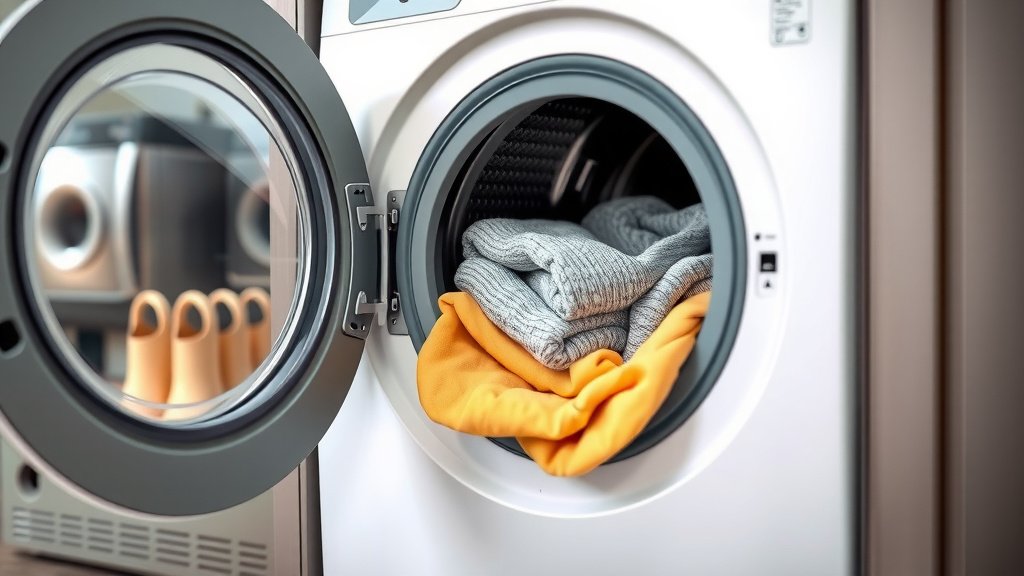
Now it’s time to load the drum. Resist the urge to cram as much as possible inside. Your front-load washer needs space for the clothes to move freely. This allows water and detergent to circulate properly, leading to a cleaner wash.
A good rule of thumb is to fill the drum no more than two-thirds full. Imagine you’re loading a suitcase – you don’t want to pack it so tight you can’t close it. We found that leaving enough space ensures a more effective clean and prevents wrinkles.
Step 3: Adding the Right Detergent
This is where front-load washers have a specific requirement. You absolutely must use high-efficiency (HE) detergent. These detergents are formulated to produce fewer suds. Too many suds can actually hinder the cleaning process in a front-loader and can even damage the machine over time. They can leave residue on your clothes and in the washer drum, which isn’t ideal.
How Much Detergent to Use
The amount of HE detergent you need depends on several factors. These include the load size, the soil level of your clothes, and the hardness of your water. Always check the detergent manufacturer’s instructions for guidance. Most HE detergents come with a cap that serves as a measuring tool. A common mistake is using too much, thinking it will lead to cleaner clothes, but it’s often the opposite.
| Load Size | Soil Level | Detergent Amount (approx.) |
|---|---|---|
| Small | Light | 1-2 tablespoons |
| Medium | Normal | 2-3 tablespoons |
| Large | Heavy | 3-4 tablespoons |
Note: Always refer to your specific HE detergent’s packaging for precise measurements.
Step 4: Selecting the Right Wash Cycle
Your front-load washer likely has a variety of cycles designed for different fabric types and soil levels. Using the correct cycle is essential for optimal cleaning and garment care.
Common Wash Cycles Explained
Let’s break down some of the most common cycles you’ll find:
- Normal/Cotton: This is your go-to for everyday items like t-shirts, jeans, and towels. It uses a moderate water level and spin speed.
- Permanent Press/Synthetics: This cycle is for synthetic fabrics like polyester or nylon. It uses a cooler water temperature and a slower spin to help prevent wrinkling.
- Delicate/Hand Wash: For items that need extra gentle care, such as lingerie, silk, or loosely woven items. This cycle uses cool water and a very slow spin.
- Heavy Duty/Whites: This cycle is designed for heavily soiled items and often uses warmer water and a more vigorous agitation or spin.
- Quick Wash: For lightly soiled items you need cleaned in a hurry. It’s a shorter cycle, so it’s best for small loads.
- Sanitize: Some machines offer this cycle, which uses very hot water to kill bacteria and allergens. Great for bedding or baby clothes.
Adjusting Water Temperature
Water temperature plays a big role. Hot water is best for heavily soiled whites and bedding, as it helps kill germs and remove tough stains. Warm water is suitable for most regular loads. Cold water is ideal for dark colors, delicates, and lightly soiled items, as it helps prevent shrinking and fading. Many laundry experts recommend using cold water whenever possible to save energy (CDC).
Step 5: Starting and Monitoring Your Wash
Once everything is loaded and set, it’s time to start the machine. Simply press the start button! Most modern front-loaders will lock the door once the cycle begins. You usually don’t need to hover around it, but if you’re curious, you can certainly observe.
What to Do After the Cycle Finishes
As soon as the cycle is complete, remove your clothes promptly. Leaving wet laundry in the washer for too long can lead to mildew and unpleasant odors. Nobody wants that! Transfer them to the dryer or hang them up to air dry right away. This simple step helps keep your laundry smelling fresh and your machine functioning optimally.
A Quick Laundry Checklist
Here’s a handy checklist to keep by your washer:
- Sort clothes by color and fabric type.
- Load the drum loosely, no more than two-thirds full.
- Use only High-Efficiency (HE) liquid or powder detergent.
- Select the appropriate wash cycle and water temperature.
- Remove clothes immediately after the cycle ends.
- Check your washing machine’s filter and seals regularly.
Conclusion
You’ve learned the essentials for getting your clothes perfectly clean in your front-load washer. Remember to always sort your laundry, load the drum loosely, and use only HE detergent. Choosing the right cycle and removing clothes promptly will keep your garments looking great and smelling fresh. By following these simple steps, you’ll avoid common laundry mishaps and extend the life of your clothes.
Now that you’re equipped with this knowledge, go ahead and tackle that laundry pile with confidence!
Frequently Asked Questions
Can I use regular detergent in my front-load washer?
No, you must use High-Efficiency (HE) detergent. Regular detergents create too many suds, which can prevent proper cleaning and potentially damage your front-load machine over time. HE detergents are specifically designed for low-suds washing.
How do I know if I’m overloading the washer?
An overloaded washer means you can’t see the bottom of the drum. You should be able to loosely fit your hand into the space between the clothes and the top of the drum. Overloading prevents clothes from tumbling freely, leading to poor cleaning and more wrinkles.
How often should I clean my front-load washing machine?
It’s a good idea to clean your front-load washer about once a month. This helps prevent mold, mildew, and odor buildup. You can use a specialized washing machine cleaner or a mixture of vinegar and baking soda.
What’s the difference between the ‘Normal’ and ‘Permanent Press’ cycles?
The ‘Normal’ cycle is typically for cottons and sturdy fabrics, using more agitation. The ‘Permanent Press’ cycle is for synthetics and blends; it uses cooler water and a slower spin to reduce wrinkling and prevent damage to these more delicate materials.
Why do my clothes sometimes smell musty even after washing?
A musty smell usually indicates mildew or mold growth, often caused by leaving wet clothes in the washer for too long. It can also be a sign that your machine needs cleaning. Always remove clothes promptly after the cycle ends and consider running a cleaning cycle.

![7 Best Deal On Washing Machine [In 2026]](https://homeunderstandable.com/wp-content/uploads/2026/08/7-best-deal-on-washing-machine-in-2026-featured-768x432.jpg)