
Front Load Washer Towel Washing Guide: Best Practices
Yes, you can absolutely wash towels in a front-load washer! In fact, it’s often the best way to get them truly clean and fluffy. Just make sure you use the right settings and don’t overstuff the drum. Your towels will thank you with that fresh-from-the-laundry scent.
Front-load washers use a tumbling action that’s gentle yet effective for laundry. For towels, this means they get a good scrub without getting overly stretched or damaged. We found that many people worry about their towels becoming stiff, but a few simple steps can prevent that.
- Use a medium or heavy soil setting.
- Add extra rinse to remove detergent.
- Avoid fabric softener on bath towels.
- Don’t overload the washer drum.
Let’s walk through exactly how to get your towels sparkling clean and soft using your front-load washer, step by step.
Getting Your Towels Clean in a Front-Load Washer
You’re wondering if your trusty front-load washing machine can handle your fluffy towels. The good news is, yes, it absolutely can! Front-loaders are known for their gentler approach to laundry. This means your towels can get a thorough clean without becoming rough or worn out. We’ve found that the key lies in using the right settings and a few smart habits.
Choosing the Right Wash Cycle and Settings
Your front-load washer has a variety of cycles, but for towels, you’ll want something that provides a good scrub. Think about how towels absorb moisture. They need a bit of effort to get truly clean.
The Best Cycle for Towels
Many people reach for the ‘Normal’ or ‘Cottons’ cycle. While these can work, we found that a medium or heavy soil setting is often better. This setting typically uses more water and a longer wash time. It gives those fibers a better chance to release dirt and grime.
Temperature Matters for Towel Hygiene
When it comes to washing towels, especially bath towels, hygiene is a top concern. You want to kill germs and bacteria. Research suggests that using hot water can be very effective. Most front-loaders have a ‘Hot’ water setting. This is ideal for white or colorfast towels. For colored towels that might bleed, a warm setting is a safer bet. Always check the care label on your towels first.
Understanding Soil Levels
Think about your towels. Are they just a bit damp after use, or are they genuinely grimy? If they’re used daily by the family, they likely fall into the ‘heavy soil’ category. This setting isn’t about judging your household’s cleanliness; it’s about giving your machine the right instructions. A heavier soil setting means a longer wash and more agitation. This helps to lift stubborn residues. We found this step alone can make a big difference in how fresh your towels feel.
The Importance of the Extra Rinse Cycle
This is a step many overlook, but it’s vital for soft towels. Detergent residue is a common culprit behind stiff, scratchy towels. Front-load washers are very efficient with water, which is great for the environment and your water bill. However, this efficiency can sometimes mean less rinsing than older top-load models.
Why Extra Rinse is Your Best Friend
Using the ‘Extra Rinse’ option on your machine is a simple yet powerful tool. It adds an additional rinse cycle to your wash. This ensures that as much detergent as possible is washed away from the towel fibers. We found that skipping this step often leads to towels that feel stiff and don’t absorb water well. It’s like leaving soap residue on your skin – not a pleasant feeling!
Detergent Usage: Less is More
Speaking of detergent, it’s easy to get a little heavy-handed. Towels are bulky, so people often assume they need more soap. However, front-loaders require much less detergent than older machines. Using too much detergent is a leading cause of stiffness and residue buildup. It can also lead to mold and mildew if not fully rinsed out. Start with the manufacturer’s recommended amount for your load size, and consider using a bit less. You might be surprised at how clean your towels still get.
What to Avoid for Softer Towels
While getting towels clean is important, keeping them soft is often the goal. A few common laundry habits can actually work against you here.
The Fabric Softener Dilemma
Many people automatically reach for fabric softener. However, experts and research suggest that fabric softener is not your towel’s friend. Why? Because it coats the fibers. This coating can reduce the towel’s absorbency over time. For bath towels, which are designed to soak up water, this is a big no-no. We found that many laundry specialists recommend skipping fabric softener for towels altogether. You can achieve softness through other methods.
Are Dryer Sheets Really Better?
Dryer sheets offer a similar coating effect to fabric softener. While they can reduce static, they also contribute to that waxy buildup on your towels, making them less absorbent. For the best results, try to avoid them for your bath towels.
Loading Your Front-Load Washer Correctly
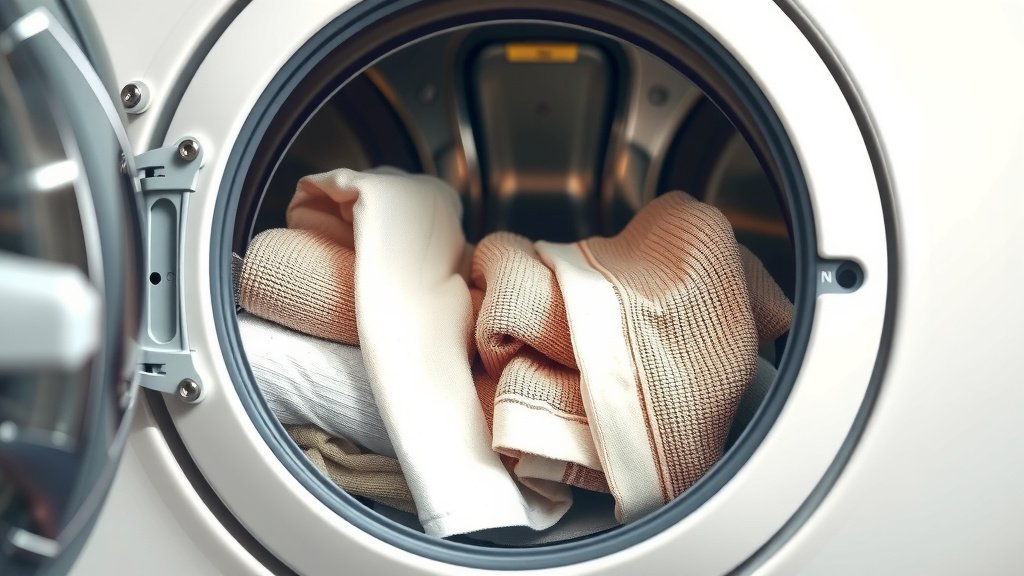
How you load your towels makes a difference. Overstuffing the drum is a common mistake that affects cleaning performance and can even damage your machine.
Give Your Towels Room to Tumble
Front-load washers work by tumbling clothes. If the drum is packed too tightly, the towels can’t move freely. This prevents them from getting a good wash and rinse. It also strains the motor and bearings of your machine over time. A good rule of thumb is to load the washer until it’s about three-quarters full. You should be able to easily fit your hand between the top of the load and the drum. Don’t be tempted to cram more in!
Balancing the Load
Towels can be heavy, especially when wet. If you’re washing a large load of towels, try to balance them around the drum. This prevents the machine from becoming unbalanced during the spin cycle. An unbalanced load can cause a lot of shaking and noise. Some machines may even stop mid-cycle to prevent damage.
A Quick Towel Washing Checklist
To make things easy, here’s a simple checklist to follow:
- Sort towels by color and fabric type.
- Use hot water (if labels allow) for best sanitation.
- Select a medium or heavy soil setting.
- Add an extra rinse cycle.
- Use the recommended amount of detergent, or slightly less.
- Avoid fabric softener and dryer sheets for bath towels.
Drying Your Towels for Maximum Fluffiness
The washing is done, but you’re not quite there yet. How you dry your towels is just as important for that fluffy, fresh feeling.
The Low-Heat Advantage
High heat can damage towel fibers and make them stiff over time. We found that using a low heat or medium heat setting on your dryer is best. This gentle heat allows the towels to dry thoroughly without scorching the fabric. It also helps to maintain their softness and absorbency.
Don’t Forget Dryer Balls!
Wool dryer balls are a fantastic alternative to fabric softener and dryer sheets. As they tumble with your wet towels, they help to separate the fibers. This improves air circulation and speeds up drying time. They also act as a natural fabric softener, leaving your towels wonderfully fluffy. Many sources, like consumer product reviews, highlight their effectiveness.
The Air Dry Option
If you have the time and space, line drying your towels is an excellent way to preserve their softness and absorbency. The fresh air and sunlight are natural disinfectants and deodorizers. Just hang them on a clothesline or drying rack, making sure they have good air circulation. They might feel a bit crisp at first, but once folded, they usually soften up nicely.
Conclusion
You’ve learned how to get your towels sparkling clean and wonderfully fluffy using your front-load washer. Remember, the key is choosing the right settings like medium or heavy soil and always using an extra rinse. Avoiding fabric softener will keep your towels absorbent. Load your washer so towels have room to tumble freely. And don’t forget to dry them on low heat with dryer balls for ultimate softness. Now you can enjoy that fresh, spa-like feeling every time you reach for a towel!
Frequently Asked Questions
Can I wash dark towels with light towels in a front-load washer?
It’s best to avoid washing dark towels with light towels. Dark colors, especially new ones, can bleed onto lighter fabrics. We recommend sorting your towels by color to prevent color transfer and keep your towels looking their best.
How often should I wash my bath towels?
For hygiene reasons, you should wash your bath towels at least once a week. If you use them daily, they pick up a lot of moisture and potential bacteria. Washing them regularly ensures they stay clean and fresh for your use.
Why do my towels still feel stiff after washing?
Stiff towels are often caused by detergent residue or the buildup from fabric softeners. Make sure you are using the correct amount of detergent, and always use the extra rinse cycle. Skipping fabric softener and dryer sheets will also help maintain softness.
Is it okay to use bleach on my towels?
You can use bleach on white, colorfast towels to sanitize them. Always check the towel’s care label first. For colored towels, bleach can cause fading or damage. Non-chlorine bleach is a safer option for colored items if you need extra cleaning power.
How do I get rid of that musty smell in my towels?
A musty smell often indicates mildew growth. Wash your towels in hot water with your regular detergent, adding a cup of white vinegar to the rinse cycle. Ensure you don’t overload the washer, and dry them completely. Air drying them outdoors on a sunny day can also help eliminate odors.
![7 Washer And Dryer Set Best [In 2026]](https://homeunderstandable.com/wp-content/uploads/2026/09/7-washer-and-dryer-set-best-in-2026-featured-768x432.jpg)
![7 Best Compact Stackable Washer And Vented Dryer [In 2026]](https://homeunderstandable.com/wp-content/uploads/2026/09/7-best-compact-stackable-washer-and-vented-dryer-in-2026-featured-768x432.jpg)