
Choosing the Right Washing Machine: A Buying Guide
Selecting a good washing machine means finding one that fits your needs and budget. Key factors include capacity, energy efficiency, and the types of wash cycles you’ll use most. Consider whether you prefer a top-loader or front-loader. Front-loaders are generally more efficient but can cost more upfront. Top-loaders are often quicker and easier to load.
When looking at washing machines, it’s helpful to understand your household’s laundry habits. Do you wash large loads frequently? Do you have delicate items that need special care? Many experts say that matching the machine’s features to your specific laundry demands will save you time and money in the long run. We found that understanding basic maintenance can also extend a machine’s lifespan.
Here’s a quick rundown of what to consider:
- Capacity: How much laundry do you do?
- Type: Top-loader vs. Front-loader.
- Efficiency: Look for ENERGY STAR ratings.
- Cycles/Features: Do you need steam or sanitize?
- Budget: Set a price range before shopping.
Let’s walk through exactly how to choose the best washing machine for your home.
Choosing Your Ideal Washing Machine
Selecting the right washing machine can feel like a big decision. You want one that cleans your clothes well without breaking the bank. Many things play a role in this choice. We found that understanding your household’s laundry needs is the first step. This guide will help you navigate the options and find a machine you’ll love for years.
Understanding Washing Machine Types
Top-Load Washers
Top-load washers have the lid on the top. You load clothes into the drum from above. These machines typically use an agitator in the center. Some newer models have an impeller instead. Impellers are a lower-profile cone or disc that spins. It helps move clothes around for cleaning. Many people find these easier to load and unload. You can also add forgotten items mid-cycle. We found that top-loaders often have shorter wash times than front-loaders.
Front-Load Washers
Front-load washers have a door on the front. You load clothes through this door. These machines use tumbling action to clean clothes. They do not typically use a central agitator. Many experts say front-loaders are more energy and water efficient. They also tend to be gentler on fabrics. This means your clothes may last longer. We found that front-loaders can often hold larger loads. They also tend to spin faster, removing more water. This can lead to shorter drying times.
Agitator vs. Impeller Top-Loaders
The main difference in top-loaders comes down to the cleaning mechanism. Agitator models have a tall, finned post in the center. It twists and turns to move clothes. This can be rougher on fabrics. Impeller models use a low-profile disc or cone. It spins and rubs against clothes to clean them. We found that impeller models are generally more energy efficient. They also allow for more space in the drum.
Capacity: How Much Laundry Do You Really Do?
Washing machine capacity is measured in cubic feet. It tells you how much laundry the drum can hold. Think about the size of your family. Do you have a lot of bulky items like comforters? If you have a large family or wash big loads often, you’ll want a larger capacity machine. Many experts recommend a capacity of 4.0 to 4.5 cubic feet for families. Smaller households might be fine with 3.5 cubic feet. We found that choosing the right capacity can save you trips to the laundromat.
Energy Efficiency: Saving Money and the Planet
Washing machines use both water and electricity. Look for the ENERGY STAR certification. These machines meet strict energy efficiency guidelines set by the EPA. They use less energy and water than standard models. Many experts point out that these savings add up over the life of the appliance. We found that ENERGY STAR certified models can save you money on your utility bills each year. Some models also have specific eco-friendly cycles.
Essential Wash Cycles and Features to Consider
Common Cycles
Most machines come with standard cycles like Normal, Delicates, and Heavy Duty. You’ll use these for everyday laundry. Think about the types of clothes you wear most often. Do you have a lot of activewear? A sports or athletic cycle can be very useful. Many machines also offer a Quick Wash cycle. This is great for lightly soiled items you need cleaned fast. We found that most people use just a few cycles regularly.
Specialized Features
Beyond the basics, many washers offer advanced features. Steam cycles can help remove tough stains and allergens. Sanitize cycles use higher temperatures to kill germs. This is especially helpful for baby clothes or bedding. Some machines have smart features. You can control them with your phone or get cycle notifications. Many experts suggest looking for features you’ll actually use. Don’t pay extra for options you won’t need.
Water Usage and Temperature Settings
Consider how the machine handles water. Some models allow you to adjust water levels. Others have automatic sensors. Hot water is best for heavily soiled items. Cold water is good for delicate fabrics and colors. It also saves energy. We found that many machines offer pre-set temperature options for each cycle. This makes it easy to choose the right setting.
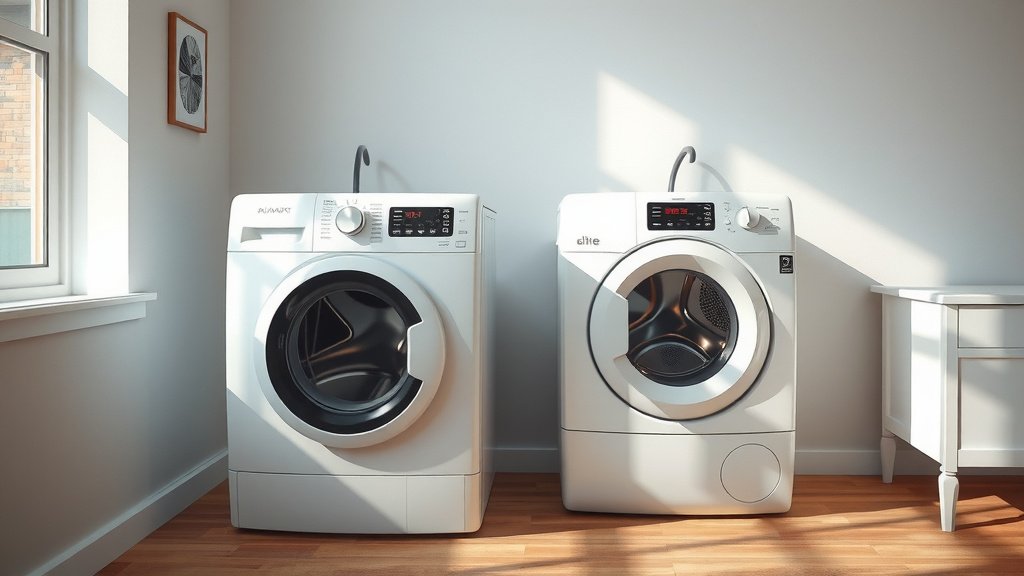
Noise Levels and Vibration
No one likes a loud washing machine. Especially if your laundry room is near a living area. Many manufacturers are designing quieter machines. Look for models that advertise low noise levels or vibration reduction technology. We found that front-load washers can sometimes vibrate more during the high-speed spin cycle. Some models come with special anti-vibration feet.
Budget: Setting Your Price Range
Washing machines range from a few hundred dollars to over $2,000. Set a realistic budget before you start shopping. Remember to consider the total cost of ownership. More efficient models might cost more upfront but save you money on utilities. Installation costs can also add to the price. Many retailers offer delivery and installation services. We found that sales events, like holidays, can offer great deals.
A Quick Checklist for Your Washing Machine Search
- Determine your household’s laundry habits.
- Decide between a top-loader or front-loader.
- Check the capacity needed for your loads.
- Look for ENERGY STAR certification.
- Identify essential wash cycles and features.
- Set a budget that fits your finances.
Conclusion
You’ve learned that choosing a great washing machine comes down to understanding your personal laundry needs. Think about your household size and what types of clothes you wash most often. Matching these habits to the right capacity, type (top or front-loader), and features like specialized cycles will lead you to a smart purchase. Don’t forget to check for energy efficiency, like the ENERGY STAR label, to save money long-term. Now that you’re equipped with this knowledge, head out and find the washer that will make your laundry days easier!
Frequently Asked Questions
How do I know if I need a large capacity washing machine?
Consider the size of your family and how often you do laundry. If you have a larger family or frequently wash bulky items like blankets and comforters, a larger capacity machine (4.0 to 4.5 cubic feet) is likely a good choice. For smaller households, a slightly smaller capacity may suffice.
Are front-load washers really more efficient?
Yes, research shows that front-load washers generally use less water and energy than top-load models. They achieve this through a tumbling action rather than an agitator and often have higher spin speeds, which extract more water and can reduce drying times.
What’s the difference between an agitator and an impeller in a top-loader?
An agitator is a tall post in the center of the drum that twists to move clothes. An impeller is a low-profile disc or cone that spins and rubs against clothes. Impeller models typically offer more space in the drum and are considered more energy efficient.
Should I pay extra for specialized wash cycles like steam or sanitize?
Consider your laundry needs carefully. If you frequently deal with tough stains, allergens, or have items that require sanitizing (like baby clothes), these features can be very beneficial. If not, you might save money by opting for a model with fewer specialized cycles.
How can I ensure my washing machine isn’t too noisy?
Look for models that specifically advertise low noise levels or vibration reduction technology. Some front-load washers can be a bit noisier during high-speed spins, so checking reviews or manufacturer specifications for noise ratings can help you find a quieter option.
![7 Best Stackable Gas Dryer [In 2026]](https://homeunderstandable.com/wp-content/uploads/2026/09/7-best-stackable-gas-dryer-in-2026-featured-768x432.jpg)
![7 Best Price On Washing Machine [In 2026]](https://homeunderstandable.com/wp-content/uploads/2026/08/7-best-price-on-washing-machine-in-2026-featured-768x432.jpg)
![7 Best Offer Washing Machine [In 2026]](https://homeunderstandable.com/wp-content/uploads/2026/08/7-best-offer-washing-machine-in-2026-featured-768x432.jpg)
![7 Best Stackable Washer Dryer For Small Spaces [In 2026]](https://homeunderstandable.com/wp-content/uploads/2026/09/7-best-stackable-washer-dryer-for-small-spaces-in-2026-featured-768x432.jpg)