

Front Load Washing Machine Widths: What to Expect
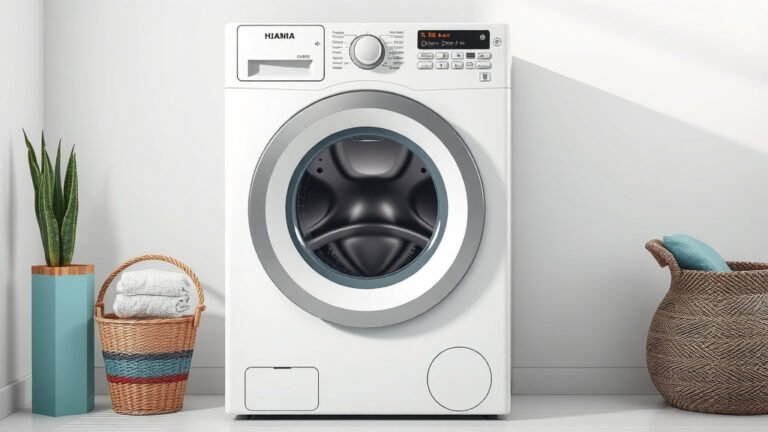
You’re probably wondering: how wide is a front load washing machine? Most standard front load washers measure about 27 inches wide. This is a common dimension that fits well in most laundry spaces. So, if you’re measuring your nook, aim for around 27 inches.
This standard width helps when you’re shopping. It means many models will fit without a problem. You might find some slightly different sizes, but 27 inches is your best bet for a typical model. It’s always good to measure your space beforehand.
- Front load washers are typically 27 inches wide.
- This is the most common size you’ll find.
- Always measure your laundry space before buying.
- You might see slight variations in width.
Let’s walk through exactly what width means for your laundry room and some things to consider.
Understanding Front Load Washer Dimensions
So, you’re curious about the physical footprint of a front load washing machine? Specifically, how wide are they? Most standard front load washers are built to a common width of about 27 inches. This measurement is designed to fit comfortably in typical laundry rooms or alcoves. It’s a widely adopted standard that makes shopping a bit easier for you.
When you’re looking at different brands and models, you’ll notice that 27 inches is the prevailing width. This consistency is a big help. It means you can likely find a machine that fits your existing space without a lot of fuss. Still, it’s always wise to double-check your measurements. You wouldn’t want to fall in love with a washer only to find it’s a tight squeeze!
Beyond Width: Other Dimensions to Consider
While width is a primary concern, don’t forget about the other dimensions. A front load washer also has a specific height and depth. These measurements are just as important for ensuring a proper fit. They impact how the machine looks in your laundry space and how you interact with it.
Depth Matters for Door Clearance
The depth of a front load washer is critical. It determines how far the machine will stick out from your wall. Standard depths usually range from about 30 to 34 inches. This doesn’t include the space needed for hoses and cords behind the unit. You need to account for that extra few inches. Otherwise, you might find the door doesn’t open all the way or it blocks a walkway.
Think about your laundry room layout. Is there a doorway behind where the washer will go? Does the door need to swing open fully? If your washer is too deep, it could obstruct this. We found that leaving about 6 inches of clearance behind the machine is a good rule of thumb. This allows for ventilation and prevents kinking of water hoses.
Height and Ergonomics
The height of front load washers typically falls between 38 and 40 inches. This measurement is important for overall aesthetics and usability. Many people find this height comfortable for loading and unloading clothes. It means less bending over, which is a welcome change for many.
If you plan to stack a dryer on top, the total height becomes even more significant. Make sure your ceiling height allows for this. Also, consider if you’ll be using a pedestal drawer. These drawers add extra height. They can provide useful storage but definitely change the overall footprint.
Why Are Front Load Washers This Size?
The consistent dimensions of front load washers aren’t just a coincidence. They’re the result of careful design and manufacturing considerations. These machines are engineered to be both efficient and practical for home use. Their size is a balance between drum capacity and fitting into common home spaces.
Optimizing Drum Size and Efficiency
Front load washers are known for their large drum capacities. This allows you to wash more laundry at once. It also contributes to their efficiency. The tumbling action uses less water than traditional top-loaders. The 27-inch width is a sweet spot that allows for a substantial drum without making the machine too unwieldy for most homes. It’s a design that balances capacity with manageability.
Fitting into Standard Laundry Spaces
Most homes are built with laundry spaces in mind. These spaces often have standard dimensions. Manufacturers aim to create machines that fit these existing footprints. The 27-inch width, along with typical depths and heights, allows the machines to slide into alcoves or alongside other appliances. It’s a thoughtful consideration for homeowners.
We found that this standardization simplifies the purchasing process immensely. You don’t have to worry about wildly different sizes. It means you can spend less time measuring and more time comparing features. This is a huge relief when you’re making a big appliance purchase.

Variations and What to Watch For
While 27 inches is the common width, you might encounter slight variations. It’s rare, but some compact or specialized models could differ. Compact washers, often designed for smaller apartments or RVs, might be narrower. Extra-large capacity models, on the other hand, could be a little wider.
Compact and Apartment-Sized Models
If you have a very tight space, you might be looking at compact washers. These are typically narrower, often around 24 inches wide. They sacrifice some capacity for their smaller footprint. They are a great solution when space is at a premium. Just be sure to check the specific dimensions. A few inches can make a big difference!
High-Capacity and Commercial-Style Units
On the flip side, some ultra-high-capacity machines might push the width slightly. These are less common for residential use but do exist. They’re designed for families with very large laundry needs. Again, always check the product specifications carefully. These might add an inch or two.
Measuring Your Space: A Quick Checklist
Before you commit to a new front load washer, take a moment to measure your laundry area. It’s a simple step that can save you a lot of headaches. Here’s what you should consider:
- Measure the width of the space where the washer will go.
- Measure the depth from the wall to the furthest point (like a door or counter).
- Measure the height, especially if you plan to stack appliances.
- Factor in door swings for both the washer door and any room doors.
- Allow for utility hookups (water hoses, drainpipe, electrical outlet).
- Consider ventilation space, typically a few inches behind the machine.
By taking these measurements, you can confidently select a front load washer that fits perfectly. You’ll ensure smooth operation and easy access for years to come. Happy laundry days!
Conclusion
You’ve learned that most front load washing machines stand at a standard 27 inches wide. This common size makes shopping much simpler for your laundry space. Remember to also consider the depth and height for a perfect fit. We found that checking these dimensions, along with clearance for hoses and doors, prevents any surprises. Before you buy, always measure your space. This simple step ensures your new washer will work beautifully and fit just right.
Frequently Asked Questions
Will a 27-inch washer fit in a 30-inch opening?
Yes, a 27-inch wide washing machine should fit comfortably within a 30-inch opening. You’ll have about 3 inches of extra space on either side. This extra room is helpful for ventilation and for easily accessing the machine’s connections. We recommend still checking the exact dimensions to be sure.
Can I put a front load washer in a closet?
You absolutely can put a front load washer in a closet, but you need to be mindful of space. Ensure the closet is at least 27 inches wide and deep enough to accommodate the machine plus hoses. Proper ventilation is key; the closet door should ideally be louvered or left ajar during operation. We found that a minimum depth of 30-34 inches is usually needed.
Are there wider front load washing machines available?
While 27 inches is standard, you might find some high-capacity or commercial-style units that are slightly wider, perhaps 28 or 29 inches. Compact models designed for smaller spaces are typically narrower, around 24 inches. Always check the product specifications for the exact width if you have specific space constraints.
How much space do I need behind the washing machine?
You should allow for about 4-6 inches of space behind your front load washer. This space is needed for the water hoses, drain hose, and electrical cord. It also ensures adequate airflow, which is important for efficient operation and preventing overheating. We found that leaving too little space can kink hoses.
Do I need to leave space around the sides of the washer?
Leaving a few inches of space around the sides of your front load washer isn’t strictly necessary if it fits snugly in an alcove. However, if it’s placed against a wall, some manufacturers recommend a small gap for airflow. It also makes it easier to clean behind the machine. For a standard 27-inch washer in a 27-inch space, this can be tight.

![7 Best Stackable Front Load Washer Dryer [In 2026]](https://homeunderstandable.com/wp-content/uploads/2026/08/7-best-stackable-front-load-washer-dryer-in-2026-featured-768x432.jpg)