
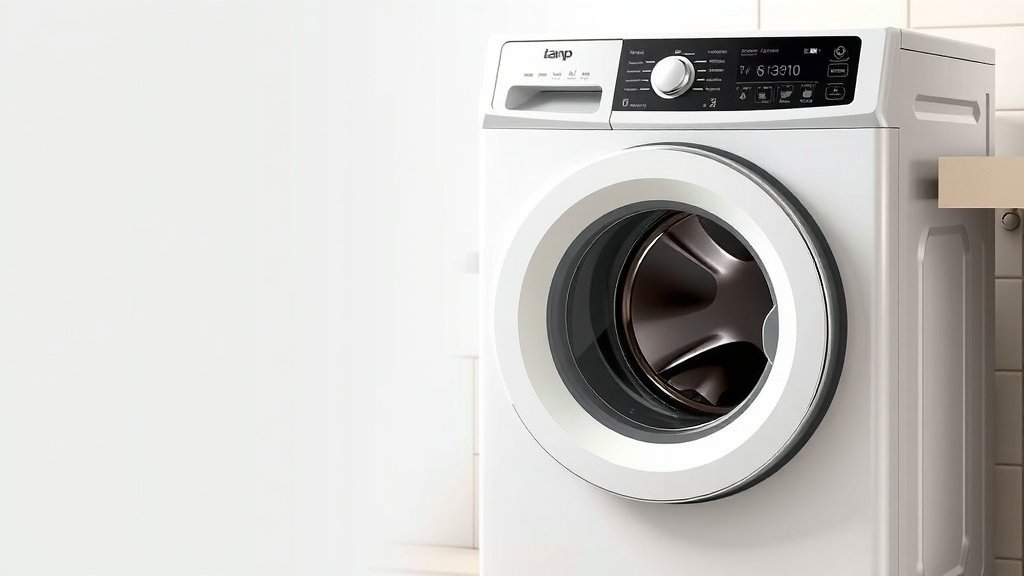
Front Loader Washing Machine: Your Easy How-To Guide
Using a front loader washing machine is quite simple once you know the basic steps. You’ll want to sort your laundry and then load it into the drum, add detergent to the correct compartment, and select your wash cycle. It’s a straightforward process that leads to cleaner clothes.
Front loaders are known for their energy efficiency and gentleness on fabrics. Unlike older top-loading machines, they use less water and detergent. Getting the load size and detergent amount right can make a big difference in your laundry’s cleanliness and longevity.
- Sort clothes by color and fabric type.
- Load items loosely into the drum, don’t overfill.
- Add detergent to the designated dispenser drawer.
- Choose the appropriate wash cycle for your load.
- Press start and let the machine do its work!
Ready to get started? Let’s walk through exactly how to use your front loader, step by step, so you can enjoy perfectly clean clothes every time.
“`htmlGetting Started with Your Front Loader: A Simple Guide
Using a front loader washing machine is easier than you might think. We’ll walk you through each step. You’ll be doing laundry like a pro in no time. Let’s make laundry day a little less of a chore.
Step 1: Sorting Your Laundry Like a Pro
Before you even think about putting clothes in the machine, it’s wise to sort your laundry. This is the first and perhaps most important step. Sorting helps prevent colors from bleeding onto lighter fabrics. It also protects delicate items from rougher materials.
Sorting by Color
Separate your clothes into three main piles: whites, lights, and darks. Whites should always be washed together. Lights include pastels and light grays. Darks cover blacks, navies, and deep reds. This simple division keeps your clothes looking their best (CDC).
Sorting by Fabric Type
Beyond color, consider the fabric. Wash heavy items like towels and jeans separately from lighter clothing. Also, delicate fabrics like silk or lace need their own special treatment. Some machines have cycles for delicates, which is perfect for these items.
Checking Pockets and Zippers
Always check pockets for forgotten tissues, coins, or pens. These can cause damage to your machine or your clothes. Zip up zippers and fasten hooks. This prevents them from snagging on other items in the wash.
Step 2: Loading the Drum Correctly
Loading your front loader properly is key to getting clean clothes. Front loaders are more efficient with water. This means you shouldn’t fill the drum too tightly. Overfilling can prevent clothes from moving freely and getting properly cleaned. It can also strain the machine’s motor.
How Full is Too Full?
A good rule of thumb is to load the drum about two-thirds full. You should be able to easily fit your hand vertically between the clothes and the top of the drum. Think of it as giving your clothes room to tumble and swirl. They need space to get properly washed and rinsed.
The Importance of Load Size
Most front loaders have sensors to detect load size. This helps them adjust water levels. However, it’s still important to avoid overloading. Many experts recommend not washing more than 8-10 pounds of laundry in a standard-sized machine (Energy Star).
Step 3: Adding Detergent and Other Additives
Front loaders use less water, so they require less detergent. Using too much detergent can leave residue on your clothes. It can also create too many suds, which can prevent proper cleaning and rinsing. Always use a high-efficiency (HE) detergent. These are specifically designed for front-loading machines.
Locating the Dispenser Drawer
Most front loaders have a pull-out drawer with compartments for detergent, fabric softener, and bleach. Look for markings like “I,” “II,” or “Prewash” for detergent. “Softener” is usually clearly marked. Bleach often has its own separate compartment or a specific marking.
How Much Detergent to Use?
Refer to your detergent’s packaging for the correct amount. Typically, you’ll need much less than for a traditional top-loader. For HE detergents, a capful or a small amount is often sufficient for a regular load. For heavily soiled items, you might need slightly more, but still err on the side of caution.
Using Fabric Softener and Bleach
Fabric softener is usually added to a designated compartment. The machine will dispense it automatically during the rinse cycle. For bleach, use the specific bleach dispenser to ensure it’s diluted properly before reaching your clothes. Never pour bleach directly onto laundry. Many experts advise using these sparingly to maintain fabric quality (USDA).
Step 4: Selecting the Right Wash Cycle
Front loaders offer a variety of cycles for different needs. Choosing the correct cycle helps protect your clothes and ensure the best cleaning results. Don’t just hit ‘normal’ every time! Your machine has more to offer.
Common Wash Cycles Explained
Here’s a quick rundown of some typical cycles you’ll find:
- Normal/Cotton: For everyday loads like shirts, pants, and linens.
- Permanent Press/Synthetics: For synthetic fabrics, offering a balance of cleaning and wrinkle prevention.
- Delicates/Hand Wash: For fragile items like lingerie, silk, or loosely knit sweaters. Uses gentle agitation and a slower spin.
- Heavy Duty: For heavily soiled items like work clothes or bulky items.
- Quick Wash/Speed Wash: For small, lightly soiled loads that need a fast refresh.
- Sanitize/Allergen: Uses very hot water to kill germs and allergens. Great for bedding or baby clothes.
Understanding Temperature Settings
Temperature also plays a role. Hot water is best for whites and heavily soiled items. Warm water works well for colors and moderately soiled clothes. Cold water is ideal for dark colors, delicate fabrics, and lightly soiled items to prevent shrinking and fading.
Spin Speed Considerations
The spin speed determines how much water is extracted from your clothes. Higher spin speeds mean less drying time but can wrinkle clothes more. Lower speeds are gentler on fabrics.
Step 5: Starting the Wash and What Happens Next
Once you’ve sorted, loaded, added detergent, and selected your cycle, you’re almost done! Simply press the start button. The door will lock, and the machine will begin its cycle. You’ll hear water filling, and then the drum will start to tumble.
The Wash Action of Front Loaders
Unlike top-loaders that churn clothes in water, front-loaders lift and drop them into the water. This tumbling action is gentler on your fabrics. It also uses less water, making them more energy-efficient (Energy Star).
When the Cycle Finishes
Your machine will signal when the cycle is complete, usually with a beep or an audible chime. Open the door promptly. Removing clothes right away helps prevent wrinkles and mildew. Give your freshly cleaned clothes a shake before transferring them to the dryer or hanging them up.
Here’s a quick checklist to remember:
- Always sort your laundry by color and fabric type.
- Load the drum loosely, about two-thirds full.
- Use only HE detergent and measure carefully.
- Select the wash cycle and temperature that best suits your load.
- Open the door immediately when the cycle finishes.
- Remove clothes promptly to avoid wrinkles and odors.
Conclusion
You’ve now learned the simple steps to using your front loader washing machine effectively. By sorting your clothes, loading the drum correctly, and using the right detergent and cycle settings, you’re well on your way to cleaner, better-cared-for laundry. Remember, a little attention to detail at each stage makes a big difference in performance and fabric longevity. So go ahead, tackle that laundry pile with confidence – your front loader is ready to work!
Frequently Asked Questions
How often should I clean my front loader?
It’s recommended to clean your front loader about once a month. This helps prevent odors and ensures optimal performance. You can wipe down the door seal and dispenser drawer regularly, and run a cleaning cycle with a specialized cleaner or white vinegar.
Can I use regular laundry detergent in a front loader?
No, you should only use high-efficiency (HE) detergent in a front loader. Regular detergents create too many suds for these machines, which can lead to poor rinsing, residue on clothes, and potential damage to the machine over time.
Why is my front loader leaving clothes damp after a cycle?
This could be due to overloading the drum, which prevents clothes from spinning effectively. Ensure you’re not filling the machine more than two-thirds full. Also, check that you’ve selected an appropriate spin speed for your load; higher speeds remove more water.
What does the “steam” option on my front loader do?
The steam function on many front loaders is designed to sanitize clothes and reduce wrinkles. It uses hot steam to penetrate fabrics, killing bacteria and helping to relax fibers. This is great for refreshing clothes or for those who prefer fewer wrinkles.
Is it okay to leave the front loader door slightly ajar when not in use?
Yes, leaving the door slightly ajar after a cycle can help prevent mold and mildew buildup. This is because front loader doors create an airtight seal, and allowing air circulation helps keep the drum dry and fresh.
![7 Best Small Front Load Washing Machine [In 2026]](https://homeunderstandable.com/wp-content/uploads/2026/08/7-best-small-front-load-washing-machine-in-2026-featured-768x432.jpg)
![7 Best Apt Size Washer And Dryer [In 2026]](https://homeunderstandable.com/wp-content/uploads/2026/08/7-best-apt-size-washer-and-dryer-in-2026-featured-768x432.jpg)
![7 Stackable Washer And Dryer Best Rated [In 2026]](https://homeunderstandable.com/wp-content/uploads/2026/09/7-stackable-washer-and-dryer-best-rated-in-2026-featured-768x432.jpg)