
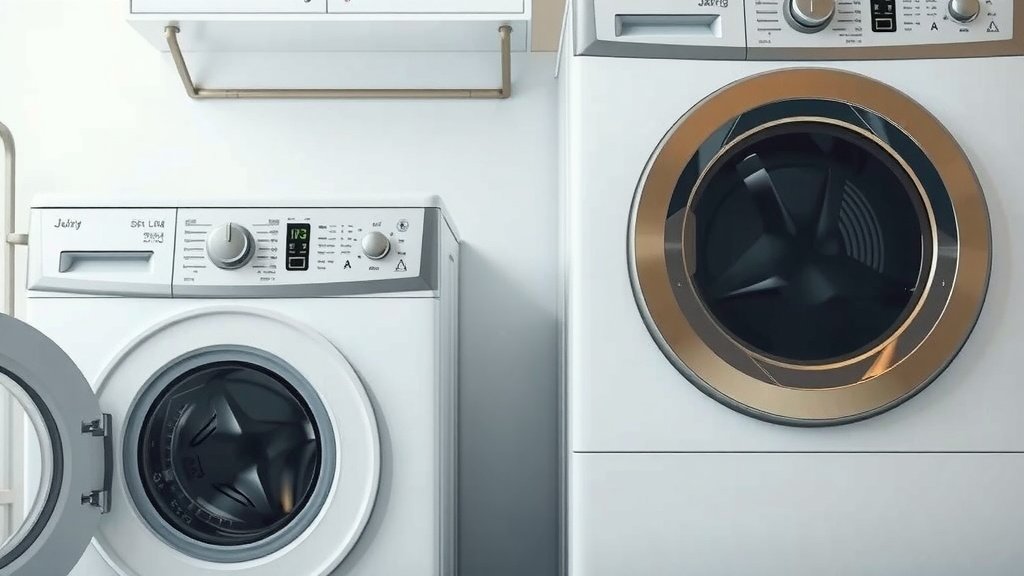
Washing Machine vs Washer Dryer: Which is Right for You
When deciding between a washing machine and a washer dryer combo, the key difference is usually space and convenience. A standard washing machine only washes clothes, requiring a separate dryer. A washer dryer combo washes and dries clothes in a single unit, making it a great space-saver, but often takes longer per load.
Choosing the right appliance depends on your needs and living situation. If you have ample space and prioritize speed, separate units might be better. If you’re short on room or want a simpler laundry routine, a combined unit is often the ideal solution. We’ve researched both to help you decide.
- Washing machines clean clothes; washer dryers also dry them.
- Washer dryers save space but can be slower.
- Separate machines are faster but need more room.
- Consider your laundry volume and available space.
Let’s dive into the specifics of each type to help you make the best choice for your home.
Understanding Your Laundry Appliance Options
When you’re looking to get your laundry done, you’ve got two main paths. You can go with a traditional washing machine. Or you can opt for a washer dryer combo unit. Each has its own set of perks and drawbacks. We’ve looked into what makes each one tick. Let’s break down what you need to know.
The Classic Washing Machine: What It Does
A standard washing machine is designed for one primary job: cleaning your clothes. It uses water, detergent, and mechanical action to remove dirt and stains. You’ll load your dirty laundry in, select a cycle, and it does its thing. Once the wash cycle is complete, your clothes come out clean but wet.
The Wash Cycle Explained
Think of the wash cycle as a multi-step process. First, it fills with water. Then, the drum tumbles or agitates your clothes. This friction helps lift dirt away. After washing, it drains the dirty water and rinses your clothes with clean water. Finally, it spins them at high speed to remove as much water as possible. This spin leaves your clothes damp, ready for the next step.
Why You Need a Separate Dryer
Since a washing machine only washes, you’ll always need a separate appliance to dry your clothes. This means you’ll need space for two machines. You’ll also need to transfer your wet clothes from the washer to the dryer. This might seem like an extra step, but it has its advantages, which we’ll get to.
The All-in-One Washer Dryer Combo: The Space Saver
A washer dryer combo is a single unit that handles both washing and drying. It’s a really neat solution for smaller living spaces. You put your dirty clothes in, and a few hours later, they come out clean and dry. This is its biggest selling point – ultimate convenience and space efficiency.
How the Combo Unit Works
These units essentially perform the wash cycle, much like a standard washer. After the wash and rinse, instead of just spinning, they switch modes. They use a heating element and often vent the moisture. Some models use a condenser system to dry clothes, which doesn’t require external venting. This process is different from a standalone dryer.
The Trade-off: Time and Capacity
While incredibly convenient, combo units often take much longer to complete a full wash-and-dry cycle. This is because they typically have smaller capacities than separate machines. They also need to manage heat and moisture within a single drum. So, a full wash and dry can sometimes take 3-4 hours or even longer. Many experts advise washing only half a load if you plan to dry it in the same unit to ensure the best results. This is a key difference to consider for your laundry routine.
Comparing Key Features and Performance
Let’s dive deeper into how these two types of laundry appliances stack up against each other. We’ll look at factors that really matter for your daily life.
Space Requirements: A Big Decision Factor
This is where the washer dryer combo shines. If you live in an apartment, condo, or a smaller home, space is often limited. A single combo unit takes up the footprint of one appliance. A traditional washing machine and dryer set requires space for two. You’ll need to consider the width, depth, and height for both options. Also, think about accessibility for loading and unloading. For many, the space-saving aspect is a huge win for combos.
Capacity: How Much Can You Wash?
Traditional washing machines, especially front-loaders, often have larger capacities. This means you can wash more clothes at once. This is great if you have a large family or tend to do big laundry loads. Washer dryer combos, on the other hand, generally have smaller capacities. This can mean more loads throughout the week. Research from appliance review sites often highlights that combo capacities can be nearly half that of their separate counterparts.
Performance: Speed and Efficiency
When it comes to speed, separate washing machines and dryers usually win. You can run a wash cycle while a previous load is drying. This parallel processing speeds up your entire laundry day significantly. A combo unit must complete the wash, then the dry, all in one go. While energy efficiency can vary by model, some studies suggest that washer dryer combos can sometimes use more energy for the drying function compared to a dedicated dryer. However, newer models are improving in this area. The Consumer Product Safety Commission (CPSC) offers tips on using laundry appliances safely and efficiently.
Cost: Initial Investment and Running Costs
The initial purchase price can be a factor. A standalone washing machine might be less expensive than a high-end combo unit. However, buying both a separate washing machine and a separate dryer will likely cost more than a single combo unit. When considering running costs, look at energy and water usage. Older, less efficient dryers can add up on your utility bills. The long-term cost-effectiveness depends heavily on the specific models you compare and your usage habits.
Installation and Venting Needs
Standard washing machines require connections for water and drainage. Most dryers (especially electric ones) require a vent to the outside to expel hot, moist air. Some dryers are ventless, using a condenser system. Washer dryer combos often have simpler installation needs. Many are ventless, meaning they don’t require an external vent. This makes them easier to install in apartments or places where venting is difficult or impossible. Always check the manufacturer’s specifications for installation requirements.
Checklist: Is a Washer Dryer Combo Right for You?
Let’s see if a combo unit fits your lifestyle. Ask yourself these quick questions:
- Do you have limited laundry space?
- Do you typically do smaller loads of laundry?
- Is convenience and simplicity a top priority?
- Would you prefer a single appliance for washing and drying?
- Are you okay with potentially longer cycle times?
- Is a vent hookup difficult for your home setup?
Conclusion
Deciding between a traditional washing machine and a washer dryer combo really comes down to your priorities. If space is tight and convenience is key, a combo unit offers an all-in-one solution. You’ll save floor space and enjoy a simpler laundry process. If you have more room and laundry speed is important, separate machines allow for parallel washing and drying. You’ll finish laundry day faster. Weigh your available space, laundry habits, and desire for efficiency. Consider these factors carefully to pick the best fit for your home and lifestyle.
Frequently Asked Questions
Can a washer dryer combo handle large loads effectively?
Generally, washer dryer combos have smaller capacities than traditional machines. For best results, you’ll often need to wash smaller loads if you plan to dry them in the same unit. This ensures clothes dry evenly and efficiently. Researching specific model capacities is important if you frequently do large loads.
Are washer dryer combos more energy-efficient than separate machines?
This can vary. While combos consolidate two functions into one appliance, the drying cycle can sometimes use more energy than a dedicated dryer. This is especially true for older or less efficient models. Newer combo units are improving their energy efficiency, but it’s wise to compare the energy ratings of specific models.
What is the typical lifespan of a washer dryer combo compared to separate units?
Lifespans can differ. Combo units have more complex components working together in a single machine. This might mean they have a slightly shorter lifespan than two separate, well-maintained appliances. However, consistent care and following manufacturer guidelines can help extend the life of any laundry appliance.
Do washer dryer combos require special installation or venting?
Many washer dryer combos are ventless, meaning they don’t require an external vent. They use a condensation system to remove moisture. This makes them ideal for apartments or homes where venting is difficult. Always check the manufacturer’s specifications to confirm installation requirements for the model you’re considering.
How long does a full wash and dry cycle typically take in a combo unit?
A full wash and dry cycle in a combo unit usually takes significantly longer than separate machines. You can expect cycles to range from 3 to 4 hours, or sometimes even more. This longer duration is due to the machine completing both processes sequentially and managing moisture within a single drum.

![7 Best Deals On Washers And Dryers Right Now [In 2026]](https://homeunderstandable.com/wp-content/uploads/2026/09/7-best-deals-on-washers-and-dryers-right-now-in-2026-featured-768x432.jpg)