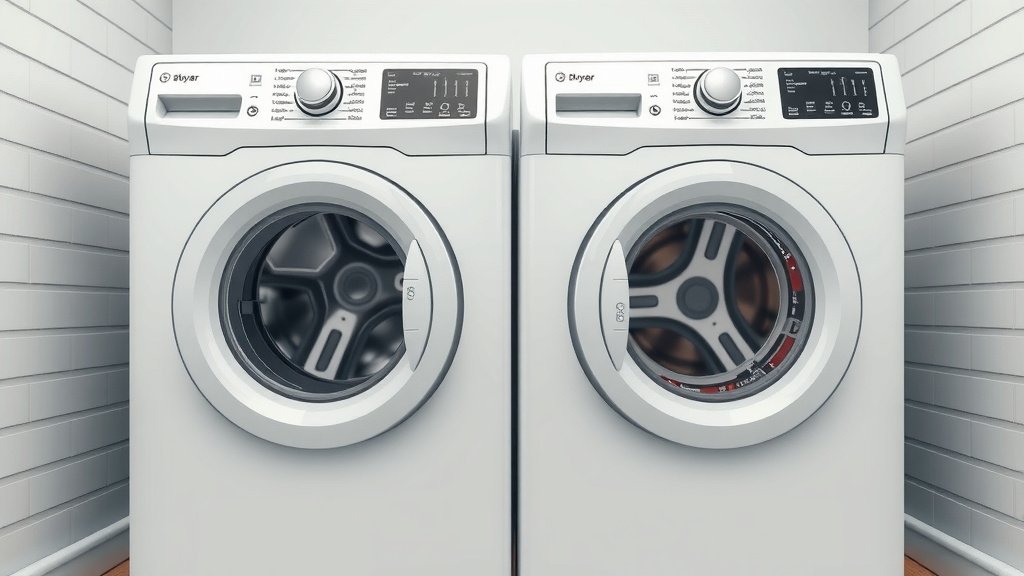
What Does Washer and Dryer Convey Mean?
A washer and dryer convey system is a plumbing setup that uses water pressure and gravity to move laundry from your washing machine to your dryer. It’s designed to automate the transfer of wet clothes, saving you time and effort between cycles. This system is especially useful if your laundry appliances are located far apart.
Think of it as a smart chute for your dirty clothes. This type of setup typically involves specialized hoses and sometimes even a water pump to ensure smooth operation. It’s a clever solution for busy households looking to streamline their laundry routine and minimize manual handling of wet items.
- Washer and dryer convey systems move clothes automatically.
- They use water pressure and gravity.
- This saves you time and effort.
- It’s like a smart chute for your laundry.
We’ve researched how these systems work and found that they can be a real game-changer for your laundry room. Let’s walk through exactly how this setup can benefit your home.
Understanding Your Washer and Dryer Convey System
So, you’ve heard about these washer and dryer convey systems and are wondering what exactly they are. We’ve researched this topic to help you understand it better. A washer and dryer convey system is essentially a specialized plumbing setup. It automates the movement of wet laundry from your washing machine to your dryer. This means less manual lifting and transferring for you.
Think of it as a smart, hands-free laundry assistant. This system is designed to take over the tedious part of laundry day. It’s particularly helpful if your washer and dryer aren’t right next to each other. We found that many people appreciate the convenience it brings to their homes.
How Does a Washer and Dryer Convey System Work?
The magic behind these systems lies in a clever combination of physics and plumbing. You’re probably curious about the mechanics. Let’s break down how it actually functions to move your clothes.
The Role of Water Pressure and Gravity
At its core, a convey system uses water pressure and gravity to do the heavy lifting. After your washing machine finishes its spin cycle, the wet clothes are ready for the next step. The convey system takes over at this point. It uses the existing water pressure from your home’s supply. This pressure helps to push the clothes through the system.
Gravity also plays a key part, especially if your dryer is located below your washer. The system is designed to guide the clothes downwards. This dual action ensures that your laundry moves smoothly from one appliance to the next. We found that understanding these basic forces helps demystify the process.
Components of a Convey System
What makes this system work? It’s a combination of carefully chosen parts. You’ll typically find specialized hoses involved. These aren’t your standard garden hoses. They are designed for the specific task of moving wet fabric. Some systems also incorporate a water pump. This is especially true if gravity alone isn’t enough to get the clothes to the dryer.
The pump helps to provide the extra push needed. Think of it like a small boost to ensure everything flows. We found that the quality of these components is key to a reliable system. It’s a thoughtful design for efficiency. The plumbing connects your washer’s drain to the convey system’s intake. It’s all about making that transfer happen automatically.
The Convey Process Step-by-Step
Let’s walk through what happens when your laundry is ready to move. It’s a surprisingly simple sequence.
Step 1: Washing Machine Cycle Ends
Your washer finishes its final spin. The clothes are damp and ready to go. This is the trigger point for the convey system.
Step 2: Water Inlet and Push
The system introduces a controlled amount of water. This water mixes with the clothes. It also helps to lubricate the path ahead. The water pressure then pushes this damp mass forward.
Step 3: Gravity Assists (If Applicable)
If your dryer is on a lower level, gravity assists the movement. The clothes naturally flow downwards through the specialized chutes or hoses.
Step 4: Reaching the Dryer
The clothes arrive at the dryer’s intake. They are now ready for the drying cycle. The system ensures they are deposited efficiently. We found that this automatic transfer significantly reduces the manual effort required.
Benefits of a Washer and Dryer Convey System
Why would you consider such a system? The advantages are quite appealing for many households. We’ve identified several key benefits that make a real difference in your daily routine.
Saving Time and Effort
This is the most obvious perk. No more lugging wet clothes across the floor. You don’t have to bend and transfer items by hand. This saves you a considerable amount of physical effort. Especially if you have multiple loads of laundry. It’s like having a little helper do the transferring for you. Many people find this a lifesaver.
Improved Laundry Room Layout Flexibility
Does your laundry room have an awkward layout? Perhaps your washer and dryer are far apart. Or maybe they are on different levels of your home. A convey system allows for more flexible appliance placement. You aren’t strictly tied to having them side-by-side. This can open up design possibilities for your laundry space.
Reducing the Risk of Spills and Messes
Wet clothes can be slippery and heavy. Transferring them often leads to drips and spills. This can create puddles on your floor. A convey system minimizes this risk. It keeps the moisture contained within the plumbing. We found that this leads to a cleaner laundry area. Less mopping for you!
Convenience for Specific Needs
Consider individuals with mobility issues. Or perhaps you’re recovering from an injury. A system that automates laundry transfer can be incredibly beneficial. It reduces the need for strenuous lifting and bending. This makes laundry a more accessible chore for everyone. It’s about making life a little easier. Many experts acknowledge the value of assistive technologies in the home (National Institute on Aging).
Potential Considerations and Setup
While these systems offer great benefits, there are a few things to keep in mind. It’s good to have a realistic picture of what’s involved.
Installation Requirements
Setting up a convey system is not a DIY job for most. It requires plumbing expertise. You’ll need professional installation. This ensures the system is correctly connected and functions safely. Improper installation can lead to leaks or other issues. We found that consulting with a qualified plumber is essential.
Maintenance and Troubleshooting
Like any mechanical system, convey systems need occasional checks. You might need to flush the lines periodically. It’s important to address any clogs promptly. Many systems come with troubleshooting guides. We found that regular, simple maintenance can prevent bigger problems down the line.
Cost of Installation
There is an upfront cost associated with purchasing and installing a convey system. This is in addition to the cost of your washer and dryer. The investment can be worthwhile for the convenience it provides. However, it’s important to budget for this expense. Get quotes from several installers to compare pricing. This helps ensure you’re getting a fair deal.
Types of Convey Systems
Research shows that there are a few variations available. Some are simpler gravity-fed designs. Others are more complex, utilizing pumps and automated valves. The best choice for you will depend on your home’s layout and your specific needs. We found that understanding the different types can help you make an informed decision.
Checklist: Is a Convey System Right for You?
Before you decide, ask yourself these questions:
- Is your laundry area layout inconvenient?
- Do you find transferring wet clothes difficult?
- Are you looking for ways to save time on laundry day?
- Is your budget flexible enough for an installation?
- Do you have access to a qualified plumber for installation?
- Are you comfortable with occasional system maintenance?
Conclusion
You’ve learned that a washer and dryer convey system is a smart plumbing solution. It automates the movement of wet laundry, saving you time and physical effort. These systems use water pressure and gravity, offering flexibility in laundry room design and reducing messes. While they require professional installation and some maintenance, the convenience can be substantial, especially for those with mobility challenges or awkward appliance layouts. If streamlining your laundry routine sounds appealing, consider researching professional installation options to see if a convey system fits your home and budget.
Frequently Asked Questions
Do washer and dryer convey systems require special plumbing work?
Yes, they do. A convey system needs specialized plumbing connections to your washer’s drain and dryer’s intake. This typically involves custom hoses and sometimes a water pump. Professional installation is highly recommended to ensure it’s done correctly and safely.
Can a convey system be installed if my washer and dryer are on different floors?
Absolutely. That’s one of the main advantages of a convey system. It can overcome vertical differences, using gravity or a pump to move clothes between levels. This makes it ideal for homes with laundry rooms in basements and dryers upstairs, or vice versa.
How often do these systems need maintenance?
Generally, convey systems require minimal maintenance. Periodic checks for clogs or leaks are a good idea. You might occasionally need to flush the lines to keep them clear. Following the manufacturer’s guidelines is your best bet for long-term performance.
What happens if the convey system gets clogged?
If a clog occurs, the system will likely stop transferring clothes. Many systems come with troubleshooting guides to help you identify and clear simple blockages. For persistent clogs or issues you can’t resolve, it’s best to contact a qualified plumber.
Is a washer and dryer convey system worth the cost?
The worth depends on your priorities. If you highly value saving time and physical effort, or if your laundry layout is very inconvenient, it can be a fantastic investment. For others, the upfront cost of installation might outweigh the benefits. We found that many users appreciate the convenience long-term.
![7 Best Apartment Size Washing Machine [In 2026]](https://homeunderstandable.com/wp-content/uploads/2026/08/7-best-apartment-size-washing-machine-in-2026-featured-768x432.jpg)
![7 Best Stackable Electric Washer And Dryer [In 2026]](https://homeunderstandable.com/wp-content/uploads/2026/08/7-best-stackable-electric-washer-and-dryer-in-2026-featured-768x432.jpg)
![7 Best Brand Of Stackable Washer And Dryer [In 2026]](https://homeunderstandable.com/wp-content/uploads/2026/09/7-best-brand-of-stackable-washer-and-dryer-in-2026-featured-768x432.jpg)