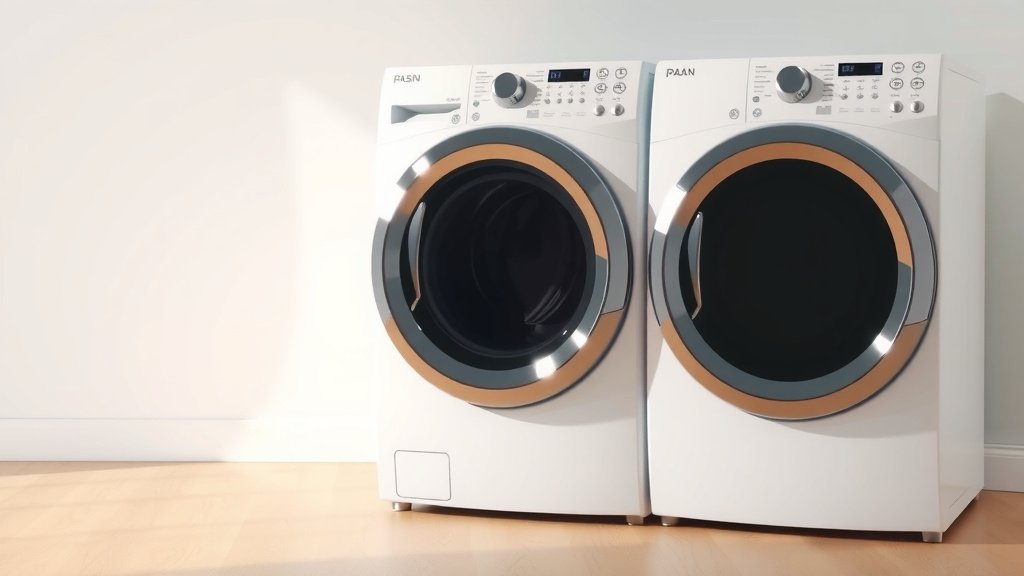
Washer and Dryer Dimensions: What You Need to Know
The standard dimensions for a washer and dryer set can vary, but most full-size units are about 27 inches wide. You’ll also commonly find depths around 30-34 inches and heights near 36-40 inches. Knowing these typical measurements helps you plan your laundry space effectively.
However, it’s important to remember that these are averages. Compact models are much smaller for tight spaces. Stackable units also have different dimensions to fit vertically. Always measure your doorway, hallway, and the intended space before buying to avoid surprises. Stackable units also have different dimensions to fit vertically, and this guide reviews the best stackable washer dryers for apartments.
- Washer Width: Typically 27 inches for standard.
- Dryer Width: Also around 27 inches for standard.
- Depth: Usually 30-34 inches (may include door/hoses).
- Height: Around 36-40 inches for most.
- Compact/Stackable: Significantly smaller.
Let’s walk through the common sizes and what you should look out for to ensure your new machines fit perfectly.
Understanding Washer and Dryer Dimensions for Your Home
Figuring out the right dimensions for your washer and dryer is key to a smooth laundry day. You want machines that fit your space and your needs. We’ve broken down what you need to know about common sizes and what to look for.
Standard Washer and Dryer Sizes: The Everyday Workhorses
When you think of a typical laundry room, you’re probably picturing standard-sized appliances. These are the most common models you’ll find in homes across the country. They offer a good balance of capacity and fit.
Width: The Most Consistent Measurement
The width is often the first dimension people consider, especially when squeezing appliances into existing spaces. For most standard front-load and top-load washers and dryers, the width hovers around 27 inches. This measurement is pretty consistent across many brands.
This 27-inch width is designed to fit comfortably in most standard laundry closets or alcoves. It allows for a bit of breathing room on the sides, which is good for ventilation and easy access for cleaning. Think of it as the “Goldilocks” size for many households—not too big, not too small.
Depth: Accounting for Doors and Hoses
The depth measurement is where things can get a little trickier. While the cabinet itself might be around 28-30 inches deep, you need to account for the door swinging open and the hoses attached to the back. Many manufacturers list a depth that includes these elements, often ranging from 30 to 34 inches.
Always check the manufacturer’s specifications for the total depth. You’ll want to ensure there’s enough clearance for the door to open fully without hitting a wall or another appliance. Also, remember to leave a few inches of space behind the unit for those water hoses and electrical cords. This is essential for proper installation and preventing kinks.
Height: Standing Tall
The height of a standard washer or dryer typically falls between 36 and 40 inches. This measurement is usually taken from the floor to the highest point of the appliance. Keep this in mind if you plan on stacking your machines or placing them under a shelf.
Some models might have slightly different heights, especially those with control panels on the front. It’s always wise to measure the vertical space available. You wouldn’t want your new dryer to be too tall to fit under a cabinet, for example.
When Space is Tight: Compact and Apartment-Sized Units
Not everyone has a sprawling laundry room. Many of us live in apartments, smaller homes, or need to tuck laundry appliances into less conventional spots. For these situations, compact washers and dryers are a lifesaver.
The Tiny Titans: Compact Dimensions
Compact washers and dryers are significantly smaller than their standard counterparts. They are designed for limited spaces. You’ll often find them to be narrower, with widths closer to 24 inches.
The depth and height are also reduced. Depths can be around 23-25 inches, and heights might be just under 34 inches. These units are perfect for small apartments, RVs, or even as secondary laundry appliances. Their smaller capacity means they’re ideal for individuals or couples who don’t do massive loads of laundry.
Maximizing Vertical Space: Stackable Washer and Dryer Sets
Stackable units are a fantastic solution when floor space is at a premium. They allow you to place the dryer on top of the washer, effectively doubling your laundry capacity in a single footprint.
The Stacked Approach: How They Fit
When stacked, the total height is the primary concern. You’ll essentially add the height of the dryer to the height of the washer. This can result in a combined height of anywhere from 65 to 75 inches or more. This is why measuring vertical clearance is absolutely vital for stackable setups.
The width and depth of stackable units are often similar to compact or standard models. A common width is around 27 inches, but compact stackable units can be closer to 24 inches. The depth usually remains in the 28-30 inch range for the cabinets, plus door swing. Many manufacturers sell these as a pre-matched set, ensuring compatibility and stability when stacked.
Specialty and Oversized Appliances
Beyond the common sizes, there are always exceptions. Some high-capacity or specialty machines can push the boundaries of typical dimensions.
Extra-Large Capacity Machines
If you have a large family or just hate doing laundry multiple times a week, you might be eyeing those extra-large capacity models. These machines often boast wider drums and can accommodate king-size comforters with ease. Their width might extend slightly beyond the standard 27 inches, sometimes reaching 29 or 30 inches. The depth and height can also be a bit more substantial.
Compact Stackable Units
Yes, you can even get stackable units in a compact size! These are the ultimate space-savers, offering vertical laundry solutions for the smallest apartments. Their dimensions are, as you might guess, a combination of the compact width/depth and the stacked height. They are the superheroes of small-space living.
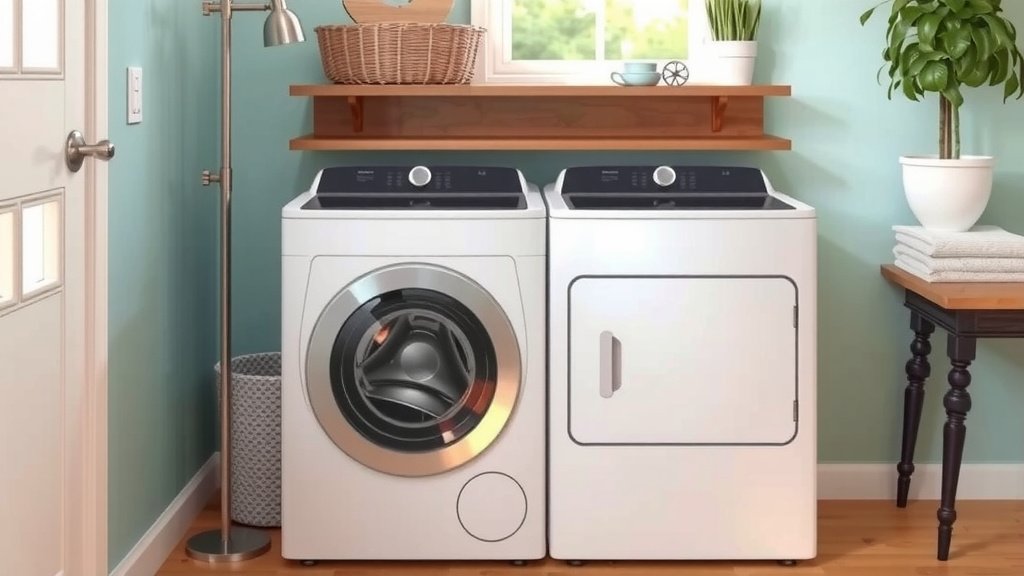
Key Considerations Before You Buy
Now that you have a better idea of the typical dimensions, let’s talk about what you absolutely need to do before clicking “buy.” A little preparation goes a long way to prevent headaches.
Measure, Measure, Measure!
This can’t be stressed enough. You need to measure more than just the space where the machines will sit. Grab your tape measure and get to work:
- Doorways: Measure the width of all doorways the appliances must pass through to reach their final destination. This includes your front door, any hallways, and even the door to your laundry room.
- Hallways and Corners: Don’t forget to measure the width of your hallways and consider how the appliance will navigate any tight corners.
- Final Space: Measure the height, width, and depth of the intended laundry space. Allow for necessary clearance (usually 1-2 inches) for hoses, ventilation, and cleaning.
- Appliance Depth with Door Open: If possible, check the maximum depth specification when the door is fully open.
Many appliance retailers provide detailed specification sheets online that include all these measurements. Always consult these before making a purchase.
A Quick Comparison Table
To make it even easier, here’s a quick snapshot of typical dimensions. Remember, these are averages, and specific models will vary.
| Appliance Type | Typical Width (in) | Typical Depth (in) | Typical Height (in) |
|---|---|---|---|
| Standard Washer/Dryer | 27 | 30-34 | 36-40 |
| Compact Washer/Dryer | 24 | 23-25 | 33-34 |
| Stacked Set (Approx. Total Height) | 27 (or 24 for compact) | 28-30 | 65-75+ |
Your Laundry Space Checklist
Before you finalize your appliance purchase, run through this quick checklist:
- Have you measured the width of all entry doorways?
- Have you measured hallway clearances and turns?
- Have you measured the height, width, and depth of the laundry alcove?
- Have you accounted for hose and ventilation space behind the units?
- Have you checked the appliance’s depth with the door fully open?
- Are you aware of any required clearances from walls for safe operation?
Conclusion
Navigating washer and dryer dimensions doesn’t have to be a chore. You’ve learned that standard units typically measure around 27 inches wide, but depth and height can vary, especially with doors and hoses considered. For smaller homes, compact models offer a solution at about 24 inches wide. Stackable sets maximize vertical space, creating taller units that fit in narrow footprints. Your next step is clear: grab your tape measure! Double-check every doorway, hallway, and your laundry space itself. This simple, essential step ensures your new laundry appliances fit perfectly and function beautifully for years to come.
Frequently Asked Questions
What is the most common width for a standard washer and dryer?
The most common width you’ll find for standard-sized washers and dryers is 27 inches. This measurement is consistent across many brands and fits well in most typical laundry spaces.
Do I need to account for anything other than the appliance’s main cabinet size?
Yes, absolutely! You’ll need to consider the appliance’s depth with the door open and the space required for water hoses and electrical cords at the back. Manufacturers often include these in their total depth specifications, typically around 30-34 inches for standard models.
Are compact washers and dryers significantly smaller in all dimensions?
Yes, compact washers and dryers are designed for smaller spaces and are usually narrower, often around 24 inches wide. Their depth and height are also reduced compared to standard models, making them ideal for apartments or tight areas.
How do I estimate the total height of a stacked washer and dryer?
To estimate the total height of a stacked set, you essentially add the height of the dryer to the height of the washer. You can expect combined heights to range from 65 to 75 inches or more, so measuring your vertical space is critical.
What’s the best way to ensure my new appliances will actually fit through my doors?
The best way is to measure the width of all doorways the appliances must pass through, including your front door, hallways, and the laundry room door. Also, measure any tight corners they might need to navigate.
![7 Best Laundry Washer [In 2026]](https://homeunderstandable.com/wp-content/uploads/2026/09/7-best-laundry-washer-in-2026-featured-768x432.jpg)