Washer Dryer Prep Explained: What You Need to Know
Washer dryer prep means getting your laundry area ready for a new washing machine and dryer. This involves ensuring you have the correct electrical outlets and water hookups. It also means making sure the space is large enough and properly ventilated.
Proper prep helps prevent future headaches like leaks or appliance damage. Many homeowners don’t realize how much planning is involved. We found that a little foresight can save you a lot of money and hassle down the road. It’s about more than just plugging things in.
- Washer dryer prep is getting your space ready for new appliances.
- It includes checking power, water, and space.
- Good prep prevents future problems.
- It saves you money and headaches.
Below, we’ll walk you through exactly what washer dryer prep entails so you can be ready for your new laundry setup. Our guide to the best new washer and dryer can help you choose.
“`htmlGetting Your Laundry Room Ready for New Appliances
So, you’re thinking about a new washer and dryer? That’s exciting! Washer dryer prep is all about making sure your laundry space is perfectly set up before the new machines arrive. It’s a little bit of planning that can save you a lot of headaches. We found that many people underestimate this step. Proper prep ensures your new appliances will work safely and efficiently. It’s like preparing your kitchen before you install a new oven. You wouldn’t just plug it in and hope for the best, right?
This process involves checking a few key things. You’ll need to confirm you have the right electrical connections. Your water supply and drainage must be ready. And, of course, you need to make sure the machines will actually fit! We’ve seen situations where people bought new units only to find out their space or hookups weren’t quite right. That’s a costly and frustrating surprise. Let’s make sure that doesn’t happen to you.
Understanding Your Electrical Needs
Your washing machine and dryer are power-hungry appliances. They need specific electrical setups to run safely. Most modern washers require a dedicated 120-volt grounded outlet. This means it needs three prongs: hot, neutral, and ground. Your dryer is a bit different. Electric dryers typically need a 240-volt outlet. This is a larger outlet with four slots. It provides the higher voltage needed for that powerful heating element. Gas dryers usually only need a standard 120-volt outlet for their controls.
Checking Existing Outlets
Take a look at the outlets in your laundry area. Are they properly grounded? Do they look old or damaged? A damaged outlet can be a fire hazard. We recommend consulting an electrician if you’re unsure about your existing wiring. They can assess if your circuits can handle the load. They can also install new, dedicated outlets if needed. This is a critical safety step. Don’t skip it!
Dedicated Circuits Are Best
For both your washer and dryer, having a dedicated circuit on your electrical panel is ideal. This means the appliance has its own breaker. It prevents overloading other circuits. For example, if your dryer shares a circuit with other appliances, you might trip the breaker frequently. Many building codes actually require dedicated circuits for major appliances like dryers. We found that dedicating circuits is a best practice for safety and performance.
Water Supply and Drainage Requirements
Next up is water. Your washing machine needs both a hot and a cold water supply. These hookups are usually found behind the machine. They have specific valves attached.
Hot and Cold Water Valves
You’ll need two separate water valves, one for hot and one for cold. These should be standard 3/4-inch threaded hose bibs. Make sure they are easily accessible and not corroded. Check for any leaks around the valves themselves. If you have older, leaky valves, it’s a good idea to have them replaced by a plumber. Research and found that preventing water damage is a top priority for homeowners.
Proper Drainage Setup
Where does all that used water go? Your washer needs a way to drain. Typically, this is a standpipe. It’s a vertical pipe, usually about 30-34 inches off the floor. The washer’s drain hose slides into this pipe. Make sure the standpipe is secure and properly trapped to prevent sewer gases from entering your home. Some setups might use a laundry tub or a floor drain. We found that drainage issues are one of the most common problems people encounter.
Standpipe Height and Diameter
The standpipe should be at least 30 inches high but no more than 96 inches from the floor. The diameter is usually 2 inches. This height ensures the water drains properly without backing up. It also prevents siphoning. A standpipe that’s too low could lead to accidental floods. Always check your local plumbing codes.
Space and Ventilation Considerations
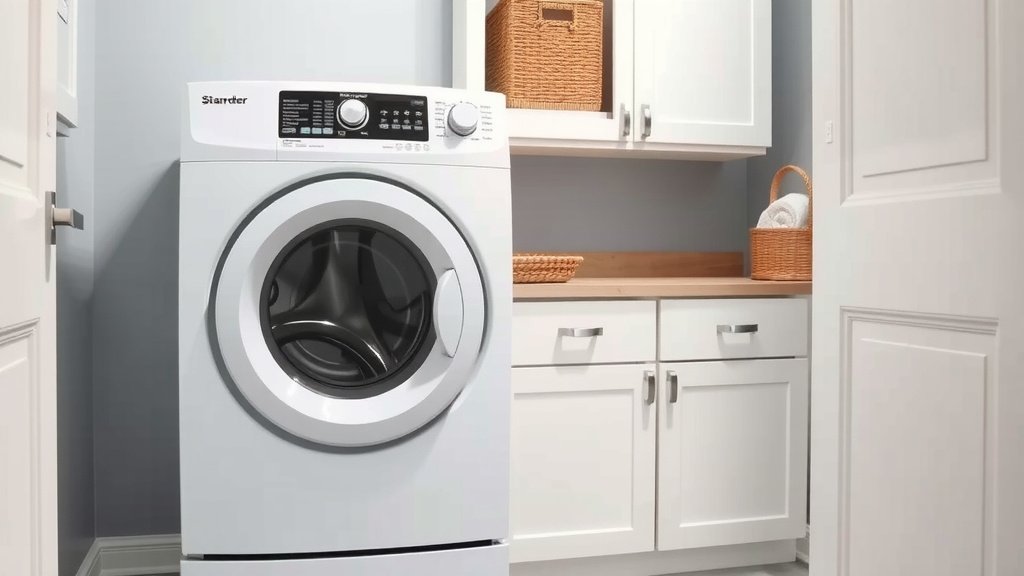
Beyond the hookups, you need to consider the physical space and air quality.
Appliance Dimensions and Clearance
Measure, measure, measure! This is crucial. Measure the width, depth, and height of your laundry area. Don’t forget to measure doorways and any hallways the machines will need to pass through. New machines can sometimes be deeper or taller than your old ones. You need about 6 inches of clearance behind each appliance for hoses and venting. Also, allow a few inches on the sides and top for airflow. We found that overlooking these measurements leads to the most immediate regrets.
The Importance of Ventilation
Proper ventilation is key for both your appliances and your home’s air quality. Dryers, especially, produce heat and moisture. A dryer vent hose carries lint and hot air outside. Make sure the vent hose is the correct type (usually rigid or semi-rigid metal) and securely connected. Avoid using flimsy plastic vents, as they can be a fire hazard and restrict airflow. Good ventilation helps your dryer run more efficiently and reduces the risk of moisture buildup, which can lead to mold and mildew.
Washer Dryer Prep Checklist
Before your new machines arrive, run through this quick checklist:
- Verify you have the correct electrical outlets (120V for washer, 240V for electric dryer).
- Check that water supply valves (hot & cold) are functional and leak-free.
- Ensure your drainage system (standpipe, tub, or floor drain) is adequate.
- Measure your space carefully, including doorways and clearances.
- Confirm your dryer has a proper vent setup leading outside.
- Consult an electrician or plumber if you have any doubts.
Conclusion
Getting your laundry area ready for new appliances might seem like a chore, but it’s a smart move. You’ve learned how vital proper electrical outlets, water hookups, and ventilation are. You also know the importance of measuring your space accurately. Taking these steps now prevents costly repairs and inconvenient issues later. You’re setting yourself up for smooth laundry days ahead. Your next step is to walk through your laundry space and compare it against the checklist we provided. Address any concerns before you finalize your new washer and dryer purchase.
Frequently Asked Questions
What if my existing outlets don’t match the new dryer’s requirements?
If your electric dryer needs a 240-volt outlet and you only have a 120-volt one, you’ll need to call a qualified electrician. They can safely install the correct outlet for you. This is a common situation, especially in older homes. Trying to use an incorrect outlet can be a fire hazard.
Can I use a regular sink drain for my washing machine?
While some older setups might connect to a laundry tub or sink drain, it’s generally not recommended for modern machines. A dedicated standpipe is the standard and safest method for washer drainage. This prevents issues like water backing up or sewer gases entering your home.
How much space do I really need around the washer and dryer?
You’ll typically want at least 6 inches of clearance behind each appliance for hose and vent connections. A few inches on the sides and top are also recommended for airflow and easier maintenance. Always double-check the appliance’s manual for specific clearance requirements.
Do I need both hot and cold water hookups for my washing machine?
Yes, most standard washing machines require both hot and cold water hookups to function correctly. This allows the machine to mix water to the appropriate temperature for different wash cycles. Ensure you have two separate, accessible valves.
What is the biggest mistake people make when preparing their laundry area?
One of the most common and frustrating mistakes is not measuring the space accurately. This includes the laundry area itself, doorways, and hallways. People often buy new machines only to find they don’t fit through the door or into the designated spot.
![7 Best Reviewed Stackable Washer And Dryer [In 2026]](https://homeunderstandable.com/wp-content/uploads/2026/09/7-best-reviewed-stackable-washer-and-dryer-in-2026-featured-768x432.jpg)

![7 Best Type Of Washing Machine [In 2026]](https://homeunderstandable.com/wp-content/uploads/2026/09/7-best-type-of-washing-machine-in-2026-featured-768x432.jpg)
![7 Best Washer Dryer For Small Space [In 2026]](https://homeunderstandable.com/wp-content/uploads/2026/08/7-best-washer-dryer-for-small-space-in-2026-featured-768x432.jpg)