
Top Front Loader Washers: September 2026 Buying Guide
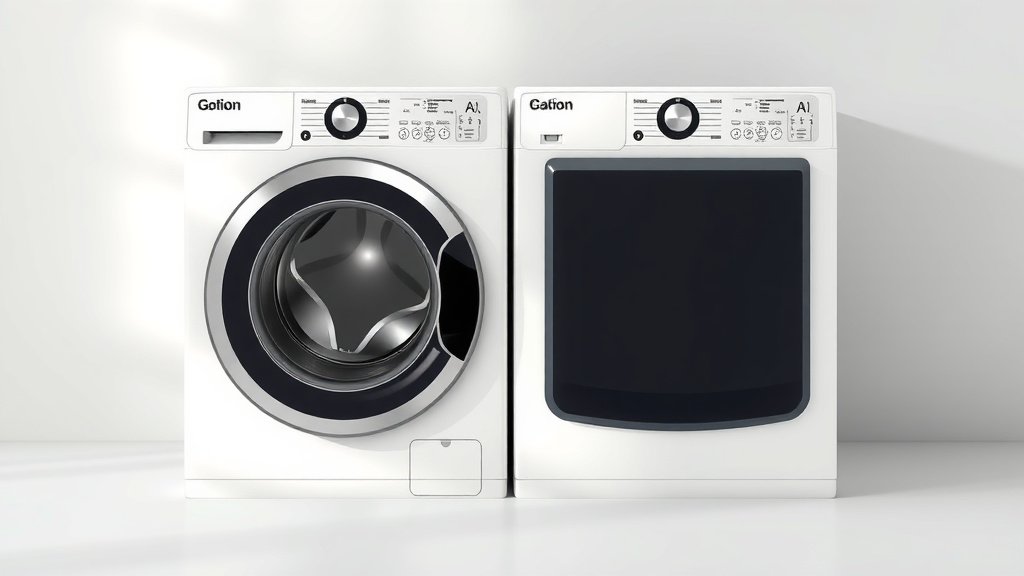
The best front loader washing machine for you really depends on your specific needs and budget. We found that top-rated models often balance energy efficiency, wash performance, and advanced features. Look for options with large capacities and quiet operation to make laundry day easier.
When choosing a front loader, think about how much laundry you do and what types of fabrics you wash most often. Many modern machines offer specialized cycles for delicates, heavy-duty items, and sanitizing. We also discovered that durability and ease of use are key factors many consumers prioritize in their decision.
TL;DR:
- No single front loader is “best” for everyone.
- Consider capacity, energy use, and cycle types.
- Look for quiet operation and strong cleaning power.
- Durability is an important long-term factor.
- Read reviews to find models that fit your budget.
Ready to find the perfect fit for your home? Let’s break down what makes a front loader great and which models stand out.
Finding Your Ideal Front Loader Washing Machine
When it comes to laundry, a front loader can be a real game-changer. We’ve looked into what makes these machines so popular. They’re known for being gentle on clothes and energy efficient. If you’re tired of bulky top loaders or worried about water waste, a front loader might be your next best purchase.
The “best” front loader isn’t a one-size-fits-all answer. It really comes down to your household’s needs. Think about how often you do laundry and the types of items you wash. We found that many people prioritize a large capacity to handle family-sized loads. Others focus on specific wash cycles for delicate items or heavily soiled gear.
Key Features to Look For
Let’s break down the features that truly make a difference in your laundry routine. These aren’t just bells and whistles; they can impact performance, convenience, and even your utility bills.
Capacity and Size Matters
How much laundry do you typically tackle in a week? Front loaders come in various capacities, measured in cubic feet. A standard load might be around 3 to 4 cubic feet. If you have a large family or wash bulky items like comforters, you’ll want to aim for 4.5 cubic feet or larger.
We found that choosing a larger capacity can actually save you time and energy. You’ll run fewer loads, which means less water and electricity used over time. Just make sure the machine will fit in your laundry space. Always measure your doorway and where the washer will sit before you buy.
Energy and Water Efficiency
Front loaders are generally more water-efficient than their top-loading counterparts. They use less water because the drum only needs to fill partially to tumble clothes through the water. This is great for your water bill and for the environment.
Look for the ENERGY STAR label. Appliances with this certification meet strict energy efficiency guidelines set by the U.S. Environmental Protection Agency. We found that ENERGY STAR certified models can save you money on utility bills year after year.
Wash Cycles and Settings
Modern front loaders offer a wide array of wash cycles. These are designed to handle different fabric types and soil levels. You’ll often find cycles like:
- Normal/Cotton: For everyday laundry.
- Delicates: Gentle wash for items like lingerie or silk.
- Heavy Duty: For heavily soiled items.
- Quick Wash: For small, lightly soiled loads you need done fast.
- Sanitize: Uses high heat to kill germs (great for bedding and baby clothes).
Some machines also offer steam cycles, which can help remove wrinkles and allergens. We also found that adjustable spin speeds are a big plus. Higher spin speeds extract more water, reducing drying time.
Performance and Durability Factors
Beyond the features, how well does the machine actually clean, and how long will it last? These are critical questions.
Cleaning Power
Front loaders are known for their excellent cleaning performance. The tumbling action helps lift stains and dirt more effectively than traditional agitators. We researched various models and found that machines with higher RPM spin speeds generally offer better cleaning and water extraction.
Noise and Vibration
One common complaint about washing machines is noise. Many front loaders are designed with advanced suspension systems to reduce vibration and noise. If your laundry room is near living areas, look for models that specifically advertise quiet operation. Some brands even use special motors for a quieter experience.
Build Quality and Lifespan
You want a washing machine that lasts. We found that durability often comes down to build materials and brand reputation. Stainless steel drums are more durable than plastic ones. Look for machines with solid warranties, especially on the motor and drum.
Understanding the Basics of Front Loader Technology
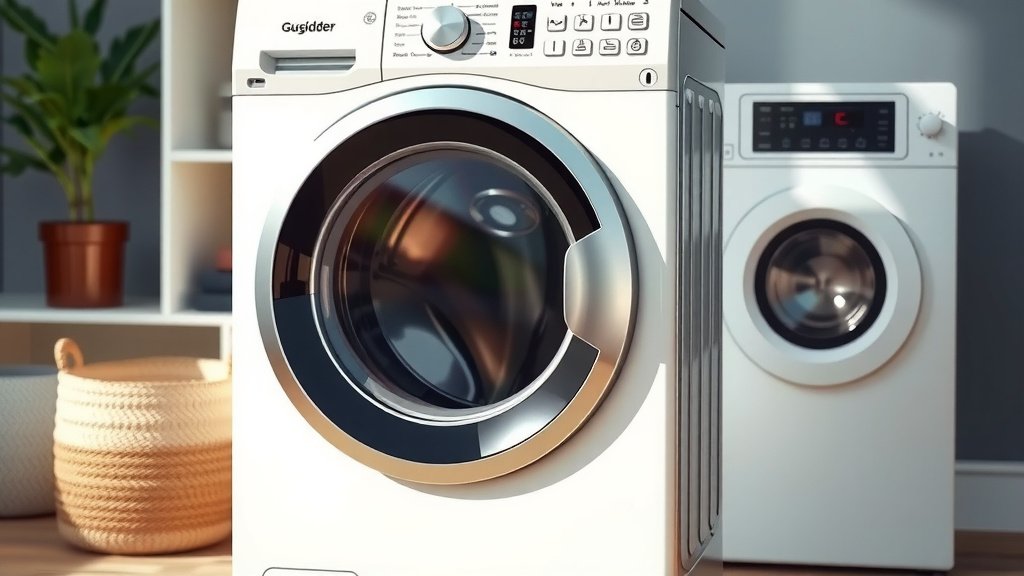
Front loaders work a bit differently than top loaders, and understanding this can help you make a better choice.
How They Tumble
Instead of relying on an agitator or impeller in the center, front loaders use gravity. Clothes are lifted by baffles inside the drum and then dropped back into the water and detergent. This tumbling action is tough on dirt but gentle on fabrics.
This method also means they use less water. The drum only needs to be partially filled to allow for effective tumbling. Many experts suggest this is why they are often more efficient (National Resources Defense Council).
Potential for Mold and Mildew
A common concern with front loaders is the potential for mold or mildew buildup in the door seal and drum. This can happen if moisture is trapped. Fortunately, manufacturers have addressed this.
Look for features like:
- Self-cleaning cycles: These use hot water to clean the drum.
- Antimicrobial door seals: Made with materials that resist mold growth.
- Ventilation tips: Leaving the door ajar after a wash helps air circulate.
We found that following simple maintenance tips can prevent most issues. It’s less of a problem than it used to be.
Making Your Decision: A Quick Checklist
Before you finalize your choice, run through this quick list to ensure you’re getting the best fit for your home.
- Does the capacity meet your household needs?
- Is it ENERGY STAR certified for efficiency?
- Are the wash cycles suited to your types of laundry?
- Does it offer quiet operation if noise is a concern?
- Does the brand have a good reputation for durability?
- Is the price within your budget?
Conclusion
Finding your perfect front loader is about matching features to your lifestyle. We’ve seen that prioritizing capacity, energy efficiency, and specific wash cycles will lead you to the best machine for your home. Don’t forget to consider quiet operation and overall durability for long-term satisfaction.
Your next step is to take these insights and compare a few top-rated models based on your budget and laundry needs. Happy washing!
Frequently Asked Questions
How do I prevent mold and mildew in my front loader?
The best way to prevent mold is to leave the door ajar after each use to allow air circulation. Regularly use a self-cleaning cycle if your machine has one, and wipe down the door seal with a damp cloth periodically. This simple maintenance keeps your machine fresh.
Are front loaders really worth the higher upfront cost?
For many households, yes. Front loaders generally use less water and energy, saving you money on utility bills over their lifespan. We found their gentle washing action also helps clothes last longer, reducing replacement costs.
Can a front loader wash bulky items like comforters?
Yes, especially if you choose a model with a large capacity. Look for machines with at least 4.5 cubic feet of space. The tumbling action in front loaders is effective for cleaning bulky bedding without the damage an agitator can cause.
What does “RPM” mean on a washing machine, and why does it matter?
RPM stands for “revolutions per minute,” referring to the spin speed of the drum. A higher RPM means the machine spins faster, extracting more water from your clothes. This results in shorter drying times and can also contribute to better cleaning performance.
Is a steam cycle necessary on a front loader washing machine?
A steam cycle isn’t strictly necessary for everyone, but it offers distinct benefits. We found that steam can help remove allergens and tough wrinkles more effectively than standard washes. It’s a great feature if you deal with sensitive skin or prefer fewer wrinkles.
![7 Best Washing Machine Under $600 [In 2026]](https://homeunderstandable.com/wp-content/uploads/2026/08/7-best-washing-machine-under-600-in-2026-featured-768x432.jpg)
![7 Best Compact Stackable Washer Dryer Combo [In 2026]](https://homeunderstandable.com/wp-content/uploads/2026/09/7-best-compact-stackable-washer-dryer-combo-in-2026-featured-768x432.jpg)
![7 Best Top Load Washing Machine Price [In 2026]](https://homeunderstandable.com/wp-content/uploads/2026/09/7-best-top-load-washing-machine-price-in-2026-featured-768x432.jpg)