
Front Load Washer Lifespan: How Long Should Yours Last
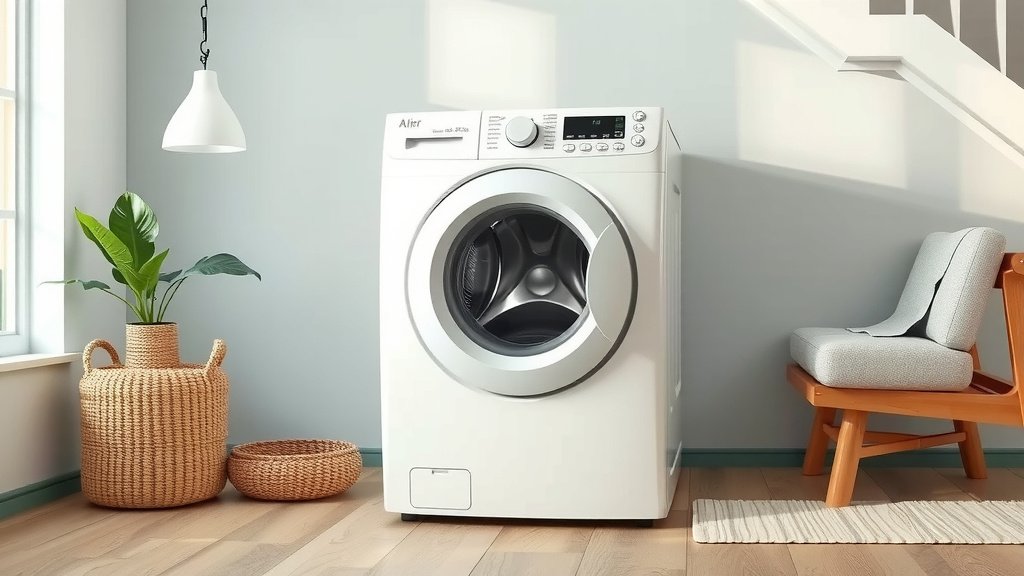
A front load washer should last about 10 to 13 years with proper care. This lifespan can vary depending on the model, brand, and how often you use it. Many factors influence your washer’s longevity, and some simple steps can help you get the most out of your appliance.
When you invest in a washing machine, you want it to be a reliable workhorse for years. Understanding the expected lifespan helps you plan for replacements and maintenance. We found that regular cleaning and avoiding overloading are key for keeping your front loader running smoothly and extending its useful life significantly.
- Front load washers typically last 10-13 years.
- Usage frequency impacts how long it holds up.
- Regular cleaning is vital for maintaining performance.
- Avoid overloading your machine to prevent strain.
- Proper maintenance can extend its lifespan.
Below, we’ll break down the factors that affect your front load washer’s lifespan and share tips to help it last as long as possible.
How Long Can You Expect Your Front Load Washer to Last?
So, you’ve got a front load washer, and you’re wondering how many loads of laundry it’s going to conquer before calling it quits. It’s a fair question! After all, these machines are a significant investment. We’ve researched this, and generally speaking, you can anticipate your front load washer to perform reliably for 10 to 13 years. This isn’t a hard and fast rule, of course. Think of it more like a helpful guideline.
Several factors play a role in this lifespan. It’s a bit like asking how long a car will last; it depends on how you drive it and how well you maintain it. We found that the models you choose and how frequently you use them are big players. But don’t worry, there are plenty of things within your control to help keep your washer humming along. Let’s dive into what influences its longevity and what you can do.
Factors Affecting Your Washer’s Lifespan
Usage Frequency: The More You Wash, The More It Works
This one’s pretty straightforward. If you’re a family of five with daily laundry needs, your washer is going to get more use than a single person’s on-again, off-again washing routine. We found that washers used multiple times a day, every day, will naturally show signs of wear and tear sooner than those used only a few times a week.
Think of it like shoes. If you run a marathon every day, your shoes won’t last as long as someone who wears them for casual strolls. The same principle applies to your washing machine. The more cycles it runs, the more stress it endures on its internal components, from the motor to the bearings.
Maintenance and Cleaning Habits
This is where you have a lot of control! Skipping regular cleaning and maintenance is like ignoring that strange noise your car is making. Eventually, a small issue can become a big, expensive problem. We found that a little bit of regular attention goes a long way in preventing premature wear.
The Importance of a Clean Drum and Gasket
Front loaders are fantastic, but their design can sometimes trap moisture and residue. This is why keeping the door gasket (that rubber seal around the door) clean is so important. Mold and mildew love damp, dark places. If left unchecked, they can not only make your clothes smell funky but can also start to degrade the rubber over time. A quick wipe-down after each use can make a huge difference.
Similarly, running a cleaning cycle periodically is essential. This helps break down detergent buildup and mineral deposits that can clog parts of the machine or cause components to work harder than they need to. Many manufacturers recommend running a cleaning cycle with a washing machine cleaner or even just hot water and vinegar once a month. We found this practice significantly helps maintain efficiency.
Using the Right Detergent
This might sound minor, but it’s actually a big deal. Front load washers are designed to use high-efficiency (HE) detergents. These use less water and create fewer suds. Using regular detergent can create an excessive amount of suds, which can lead to a few problems. Too many suds can cushion the load too much, preventing clothes from tumbling properly and getting clean. More critically, these suds can get into places they shouldn’t, potentially damaging components and leaving behind residue.
We found that using the recommended amount of HE detergent is key. Overusing detergent, even HE, can also cause issues. It’s better to use slightly less and ensure your machine is clean.
Load Size: Don’t Stuff It Too Full!
This is a common mistake people make. You’ve got a pile of laundry, and you think, “I can just squeeze a few more items in there.” Resist the temptation! Overloading your front load washer is one of the quickest ways to shorten its lifespan. When you overstuff the machine, you put a tremendous strain on the motor, suspension, and drum. Clothes need room to tumble freely to get clean and to be rinsed properly. If they’re crammed in, they can’t move.
We found that consistently overloading can lead to premature wear on the motor and bearings, potentially causing costly repairs or even a complete breakdown. Aim to fill the drum about two-thirds full, allowing clothes to move with ease. It might mean running an extra load, but your washer will thank you.
Water Hardness and Mineral Buildup
The water in your area can also play a role. If you have hard water, it means there are more minerals (like calcium and magnesium) dissolved in it. Over time, these minerals can build up inside your washing machine, acting like scale in a coffee maker. This buildup can clog hoses, affect heating elements (if your washer has one), and make parts work less efficiently.
We found that in areas with very hard water, using a washing machine cleaner regularly is especially important. Some people also opt for water softeners for their whole home. A simple test strip can tell you if you have hard water. If you do, be extra diligent with cleaning cycles and perhaps use a bit less detergent, as some detergents work harder in hard water.
Installation and Leveling
Did you know that a properly installed and leveled washer runs more efficiently and lasts longer? When a washing machine isn’t level, it can vibrate excessively during the spin cycle. This constant shaking puts stress on the machine’s frame, suspension system, and internal components. We found that this vibration can lead to premature wear and tear and even cause parts to loosen over time.
Most front load washers have adjustable feet. When you install your new machine, or if you move it, take the time to ensure it’s perfectly level in all directions. You can use a spirit level to check. Properly leveled machines operate more smoothly and quietly, and this reduces unnecessary strain.
Simple Steps to Extend Your Washer’s Life
Making your front load washer last as long as possible isn’t complicated. It’s mostly about consistent, simple habits. We’ve summarized the key actions you can take below:
- Wipe down the door gasket and glass after each use.
- Leave the door slightly ajar between washes to allow air circulation and prevent mildew.
- Run a cleaning cycle monthly with a dedicated washer cleaner or hot water and vinegar.
- Always use High-Efficiency (HE) detergent and the correct amount.
- Avoid overloading the drum; give clothes room to tumble.
- Check and ensure your machine is level.
When to Consider a Replacement
Even with the best care, every appliance has a finite lifespan. If your washer is getting older, you might start noticing issues. Frequent repairs can become more expensive than a new machine. Some signs it might be time to start looking for a replacement include: persistent leaks, unusual and loud noises that cleaning doesn’t fix, error codes that won’t clear, or if the machine simply isn’t cleaning clothes effectively anymore. We found that many experts suggest weighing the cost of major repairs against the price of a new, more energy-efficient model.
| Factor | Impact on Lifespan | Your Control |
|---|---|---|
| Usage Frequency | High usage = shorter lifespan | Moderate |
| Maintenance | Poor maintenance = shorter lifespan | High |
| Detergent Type | Incorrect type = component damage | High |
| Load Size | Overloading = component strain | High |
| Water Hardness | Hard water = mineral buildup | Low to Moderate |
| Installation Leveling | Improper leveling = vibration/wear | High |
Conclusion
You’ve learned that your front load washer is designed to be a dependable appliance for many years. With a typical lifespan of 10 to 13 years, you can enjoy reliable performance by following a few simple habits. Remember, consistent cleaning, using the right detergent, and avoiding overstuffing are your best allies. Don’t wait for problems to arise; start incorporating these easy maintenance steps today. Your washer will thank you with years of efficient cleaning!
Frequently Asked Questions
What are the most common reasons a front load washer stops working?
The most frequent culprits are component wear from frequent use and lack of regular cleaning. Issues like a worn-out motor, bearing failure, or problems with the pump are common. Neglecting to clean the gasket and drum can also lead to mold and mildew buildup, causing parts to fail prematurely.
Is it worth repairing an old front load washer?
It often depends on the cost of the repair versus the age and price of a new machine. If a repair costs more than half the price of a new washer, or if multiple major components are failing, it’s usually more economical to replace it. Consider the energy efficiency of newer models too.
How often should I run a cleaning cycle on my front load washer?
We found that running a cleaning cycle at least once a month is highly recommended. This helps prevent the buildup of detergent residue, mineral deposits, and mold. Using a dedicated washing machine cleaner or a mixture of hot water and vinegar can keep the drum and internal parts fresh.
Can using too much detergent shorten my washer’s life?
Yes, absolutely. Overusing detergent, even High-Efficiency (HE) types, can create excessive suds. These suds can interfere with proper washing action and rinse cycles. More importantly, they can leave residue that damages internal components and seals over time, potentially leading to costly repairs.
Does water hardness really affect how long my washer lasts?
Yes, hard water can significantly impact your washer’s lifespan. The minerals in hard water can build up inside the machine, similar to scale in pipes. This buildup can clog hoses, reduce heating efficiency, and cause parts to work harder and wear out faster. Regular cleaning cycles are especially important if you have hard water.
![7 Best Clothes Washer Under $500 [In 2026]](https://homeunderstandable.com/wp-content/uploads/2026/09/7-best-clothes-washer-under-500-in-2026-featured-768x432.jpg)


![7 Best Price On Stackable Washer And Dryer [In 2026]](https://homeunderstandable.com/wp-content/uploads/2026/09/7-best-price-on-stackable-washer-and-dryer-in-2026-featured-768x432.jpg)
![7 Best Apt Size Washer And Dryer [In 2026]](https://homeunderstandable.com/wp-content/uploads/2026/08/7-best-apt-size-washer-and-dryer-in-2026-featured-768x432.jpg)