
Biggest Front Load Washer Size What You Need to Know
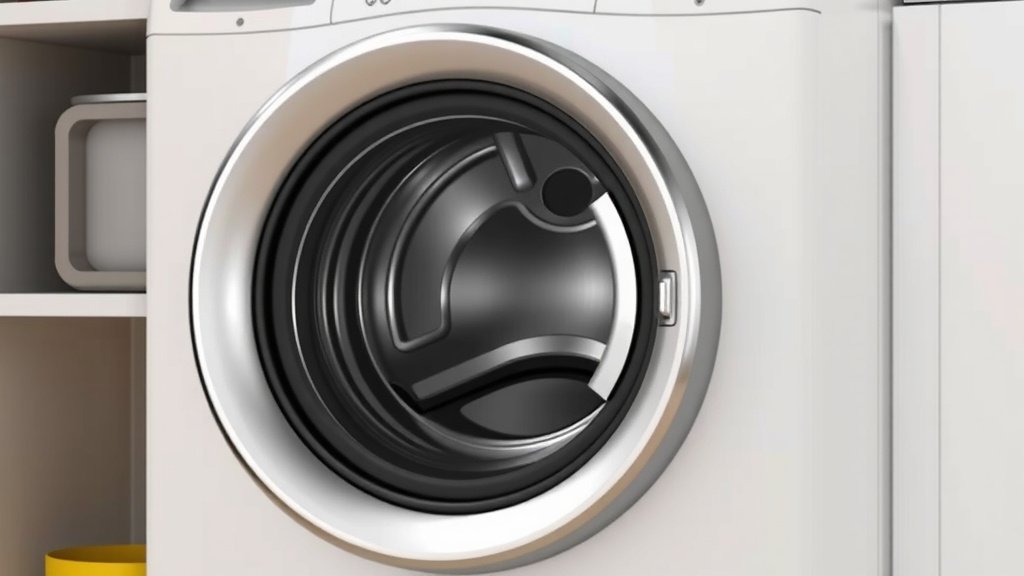
The biggest size front load washer you can typically find holds around 5.5 cubic feet of laundry. This generous capacity is perfect for handling large loads, like king-size comforters or a week’s worth of clothes for a big family. You won’t have to worry about cramming items in.
When looking for a front load washer, capacity is a key factor. Larger capacities mean fewer wash cycles, saving you time and energy. We found that models offering 5.0 cubic feet or more are generally considered the largest available for home use. This size really makes a difference in your laundry routine.
- Biggest front load washers hold about 5.5 cubic feet.
- Ideal for large items like comforters.
- Handles big family laundry needs easily.
- Saves time and energy with fewer loads.
Let’s dive deeper into what makes these large capacity washers stand out and how to choose the right one for your home.
Choosing the Largest Front Load Washer for Your Home
So, you’re ready to tackle laundry day like a champ by getting a bigger front load washer. That’s a smart move! The biggest front load washers generally max out around 5.5 cubic feet. This size is a game-changer for busy households. It means fewer trips to the laundry room and more time for you.
What Exactly Does a 5.5 Cubic Foot Washer Handle?
Think about your biggest laundry challenges. Do you have a king-size comforter that feels like wrestling a bear? Or maybe a week’s worth of clothes for a family of five? A 5.5 cubic foot washer can handle these with ease. We’ve found that this capacity is ideal for large families or anyone who wants to minimize laundry cycles.
Fitting Your Bulkiest Bedding
Washing bulky bedding is a common pain point. Many standard washers struggle with comforters, blankets, and sleeping bags. You often end up washing them in separate, smaller loads or taking them to a laundromat. A washer with a 5.5 cubic foot drum provides enough space to wash these items properly. This ensures they get thoroughly cleaned and rinsed. Plus, it helps maintain their shape and loft. You can finally say goodbye to laundry day battles with your bedding!
Tackling a Week’s Worth of Clothes
For larger families, laundry can feel like an endless chore. A huge capacity washer can significantly reduce the number of loads you need to do each week. Imagine washing everything for four or more people in just a few cycles. This saves you considerable time. It also means less wear and tear on your washer. Many experts recommend high-capacity washers for households with more than three people (Consumer Reports).
Understanding Washer Capacity Measurements
Washer capacity is measured in cubic feet. This number represents the internal volume of the drum. A larger cubic foot number means more space for clothes. It’s important to understand how this translates to real-world laundry. A 5.5 cubic foot washer offers ample room. It’s not just about fitting more clothes; it’s about allowing them to move freely.
Why Clothes Need Space to Move
When clothes have room to tumble and agitate, they get cleaner. This is a fundamental principle of how washing machines work. In smaller drums, clothes can get bunched up. This prevents water and detergent from reaching all surfaces. A larger drum ensures better water circulation and **more effective cleaning**. It also leads to more efficient rinsing. This means less detergent residue left on your clothes.
Comparing Capacities: What’s “Large”?
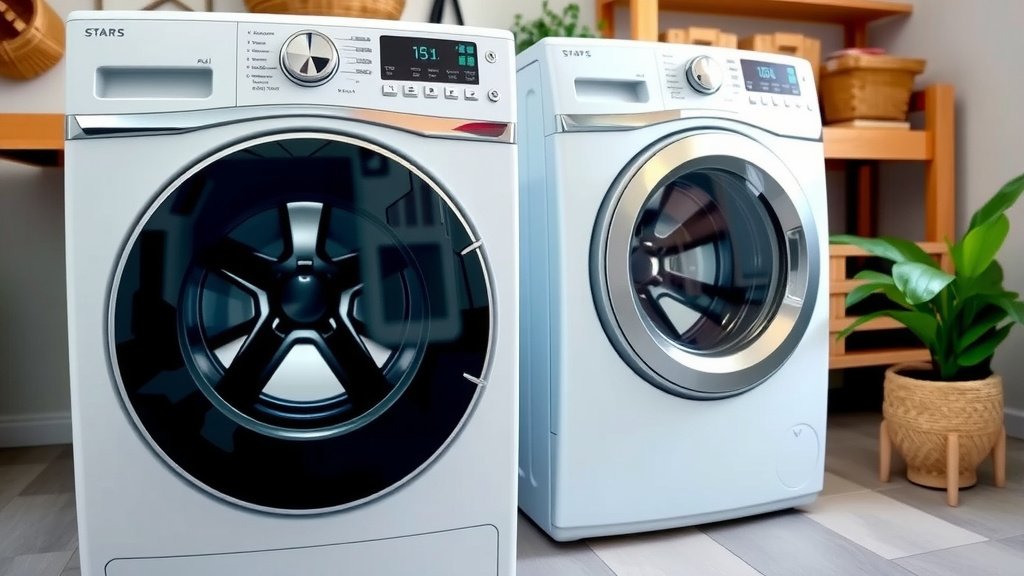
Let’s put things in perspective. Standard washing machines often have capacities ranging from 2.5 to 4.0 cubic feet. Mid-size models typically fall between 4.0 and 5.0 cubic feet. Anything Standard washing machines often have capacities ranging from 2.5 to 4.0 cubic feet, and mid-size models typically fall between 4.0 and 5.0 cubic feet.5.0 cubic feet and above is considered large capacity for home use. The 5.5 cubic foot models are at the very top end of this range. They are designed for maximum efficiency and convenience.
Key Features to Look for in Large Capacity Washers
Beyond just the size, a few features make large capacity washers even better. Think about the overall design and technology. These elements can enhance your laundry experience. You want a machine that is both spacious and smart.
Advanced Wash Cycles and Technology
Many large capacity front loaders come with advanced wash cycles. These are designed to handle different fabric types and soil levels. Look for options like steam cleaning, allergen cycles, or sanitizing features. These can be particularly useful for families. They help ensure that everything from delicate items to heavily soiled work clothes gets the right treatment. Some models even offer smart features, allowing you to control your washer via a smartphone app.
Energy and Water Efficiency
You might worry that a larger washer uses more energy and water. However, many modern large capacity machines are surprisingly efficient. They often have high Energy Star ratings. This means they consume less power and water than older or smaller models. The trade-off is fewer wash cycles. This can actually lead to overall savings. Always check the Energy Star label and the machine’s estimated annual water and energy usage. Many guidelines suggest looking for an Energy Star certified appliance to save money and help the environment (Energy Star).
Durability and Build Quality
A large capacity washer is an investment. You’ll want it to last. Look for models with robust construction. Stainless steel drums are a good sign of durability. Check reviews for feedback on long-term reliability. Many experts advise looking for brands with a history of good customer service. This can be helpful if any issues arise down the line. A strong warranty is also a good indicator of manufacturer confidence.
Making the Most of Your Large Capacity Washer
Once you have your spacious new washer, there are a few tips to keep in mind. Using it efficiently will maximize its benefits. You want to get the best results every time.
Don’t Overload, Even with Space
While you have a lot of space, it’s still possible to overload your washer. Overloading can prevent clothes from getting clean. It can also put unnecessary strain on the machine. Aim to fill the drum loosely. Clothes should be able to tumble freely. A good rule of thumb is to leave a hand’s width of space at the top. This ensures proper water circulation.
Utilize Different Wash Cycles
Take advantage of the various wash cycles your large capacity washer offers. Use the delicate cycle for sweaters and lingerie. Use the heavy-duty cycle for towels and jeans. Properly matched cycles ensure optimal cleaning and garment care. It also helps preserve the lifespan of your clothing. Experiment with the settings to find what works best for your laundry needs.
Consider Detergent Usage
Larger loads generally require slightly more detergent. However, it’s crucial not to use too much. Modern high-efficiency (HE) washers, including most large capacity front loaders, require less detergent. Overusing detergent can lead to residue on clothes and in the machine. Always follow the detergent manufacturer’s recommendations for HE machines and adjust slightly based on your load size. Too much soap can actually make clothes less clean.
Load Balancing for Stability
Large loads can sometimes be unbalanced. This can cause excessive vibration and noise during the spin cycle. Try to distribute heavy items evenly around the drum. Mixing large and small items can help. If your washer has a load balancing feature, ensure it’s functioning correctly. A well-balanced load leads to a smoother operation and a longer lifespan for your machine.
Checklist: Is a Big Front Load Washer Right for You?
- Do you frequently wash bulky items like comforters?
- Do you have a large family (4+ people)?
- Do you want to reduce the number of weekly laundry loads?
- Do you have space for a larger appliance?
- Are you looking for time-saving laundry solutions?
- Do you want to improve the cleaning of your largest items?
Conclusion
You’ve learned that the biggest front load washers typically offer about 5.5 cubic feet of capacity. This means you can finally wash those king-size comforters and handle a week’s worth of laundry for your large family with ease. By choosing a larger capacity, you’ll save significant time and energy with fewer wash cycles. Now that you know what size to look for, you can confidently choose a washer that fits your laundry needs and makes wash day much simpler. Take the next step by measuring your laundry space and exploring models that meet your capacity goals!
Frequently Asked Questions
Are 5.5 cubic foot washers too big for a small family?
A 5.5 cubic foot washer is quite large and might be more than you need for a small family. If you have only one or two people, a smaller capacity, perhaps 4.0 to 4.5 cubic feet, would likely be sufficient. You’d still get efficient cleaning without using excessive water or energy for smaller loads.
How many loads of laundry can a 5.5 cubic foot washer hold?
While it’s not about counting loads, a 5.5 cubic foot washer can typically handle about 15-20 pounds of dry laundry. This translates to fewer wash cycles compared to smaller machines, meaning you might do one or two fewer loads per week for a larger family or when washing bulky items.
Will a 5.5 cubic foot washer fit through my laundry room door?
It’s crucial to measure! Large capacity washers are wider and deeper than standard models. Always check the specific dimensions of the washer you’re interested in and compare them to the width of your doorways, hallways, and the final space where the washer will sit.
Do larger capacity washers use more electricity?
Not necessarily. While the motor might be larger, modern large capacity washers often have excellent Energy Star ratings. The key is that you’ll likely run fewer cycles overall. This can lead to comparable or even reduced overall energy and water consumption compared to running multiple smaller loads in a less efficient machine.
Can I wash delicate items in a 5.5 cubic foot washer?
Yes, absolutely! Most large capacity front load washers come with specialized cycles for delicates, steam, and other fabric types. The extra space allows delicate items to move more freely, which can actually lead to gentler cleaning and better rinsing compared to being crammed into a smaller drum.
![7 Best Stackable Washer Dryers [In 2026]](https://homeunderstandable.com/wp-content/uploads/2026/09/7-best-stackable-washer-dryers-in-2026-featured-768x432.jpg)
![7 Best Small Washer Machine [In 2026]](https://homeunderstandable.com/wp-content/uploads/2026/08/7-best-small-washer-machine-in-2026-featured-768x432.jpg)

![7 Best Washer Dryer Stackable Combo [In 2026]](https://homeunderstandable.com/wp-content/uploads/2026/09/7-best-washer-dryer-stackable-combo-in-2026-featured-768x432.jpg)
![7 Best Small Apartment Washing Machine [In 2026]](https://homeunderstandable.com/wp-content/uploads/2026/08/7-best-small-apartment-washing-machine-in-2026-featured-768x432.jpg)