
Why Front Load Washers Cost More Explained
Front loading washers cost more because they use advanced technology and high-quality materials. They offer superior cleaning performance and water efficiency. These machines often include features like steam cycles and smart connectivity, which add to their production cost. Essentially, you’re paying for better efficiency and more features.
Many consumers wonder why the upfront price is higher. We found that front loaders are designed with more complex engineering. This includes durable, stainless steel drums and specialized suspension systems for quieter operation. They also generally require fewer repairs over their lifespan, offering long-term savings.
- Front loaders are more expensive due to advanced tech.
- They use higher-quality, durable components.
- Better cleaning and water efficiency are standard.
- Smart features and steam cycles increase cost.
- Long-term savings often outweigh initial price.
Let’s break down the specific reasons behind the higher price tag and what makes them worth considering for your laundry room.
Understanding the Higher Price of Front Load Washers
You’ve probably noticed that front-loading washing machines often come with a higher price tag than their top-loading counterparts. We’ve looked into this common observation, and the reasons boil down to advanced engineering and better components. They’re built to last and perform exceptionally well.
Advanced Engineering and Design
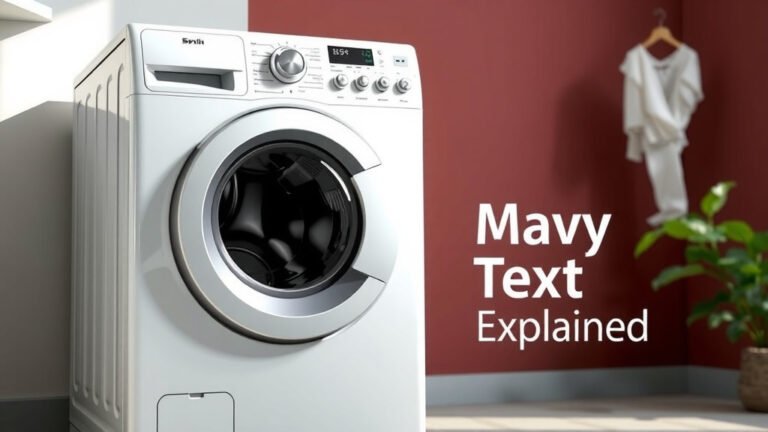
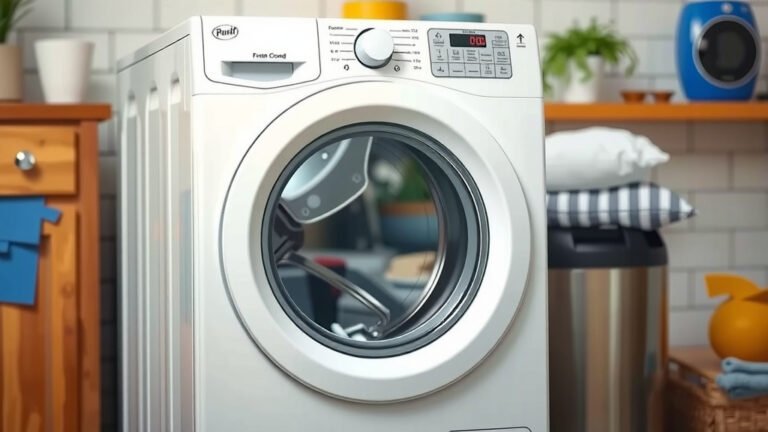
Front loaders are designed with a more sophisticated internal system. Unlike traditional top-loaders that rely on a central agitator, front loaders tumble clothes through a smaller amount of water. This tumbling action is gentler on fabrics. It also requires a more complex motor and suspension system to handle the movement and prevent excessive vibration.
The Tumbling Action Explained
Imagine your clothes doing a gentle dance inside the drum. That’s essentially what happens in a front loader. The drum rotates, lifting clothes and dropping them into the water. This repetitive motion helps loosen dirt and stains effectively. It’s a more efficient way to clean clothes without the harshness of an agitator.
Motor and Suspension Systems
To achieve this tumbling action, especially during high-speed spins to remove water, front loaders need robust motors. They also require a specialized suspension system. This system absorbs the vibrations, making the machine much quieter and more stable. Think of it like a car’s shock absorbers – they prevent jarring movements. This sophisticated build contributes to the higher manufacturing cost.
Superior Efficiency and Performance
One of the main reasons you’re paying more is for the superior performance and efficiency these machines offer. Front loaders are known for using significantly less water and energy. This translates to lower utility bills over time.
Water and Energy Savings
Research consistently shows that front-loading washers use about 40% less water than traditional top-loaders (Energy Star). This is because the drum only needs to be partially filled for the tumbling action to work. Using less water also means using less energy to heat that water, especially if you use warm or hot cycles. This efficiency is a big plus for your wallet and the environment.
Gentler on Your Clothes
We also found that front loaders are generally kinder to your wardrobe. The absence of a central agitator means less wear and tear on your garments. Clothes don’t get twisted and stretched as much, helping them maintain their shape and color for longer. This can mean replacing clothes less often, saving you money in the long run.
Durability and High-Quality Materials
You’ll notice that front-loading washers often feel more substantial. This is because they typically incorporate higher-quality materials in their construction. These components are designed for longevity and better performance.
Stainless Steel Drums
Most front-load washers feature drums made of durable stainless steel. Unlike plastic drums, stainless steel is resistant to rust, chipping, and odors. It’s also very smooth, which further contributes to its gentleness on fabrics. This premium material adds to the initial cost but ensures a longer lifespan for the machine.
Specialized Seals and Doors
The doors on front loaders are designed with specialized rubber gaskets or seals. These seals keep water contained within the drum during the wash cycle. While effective, these seals can be more expensive to manufacture than the simpler lid mechanisms on top-loaders. They are also a key component for preventing leaks and ensuring efficient operation.
Advanced Features and Technology
Beyond the basic washing function, front loaders are often packed with innovative features. These technologies enhance the washing experience but also add to the overall cost of production.
Steam Cycles and Allergen Removal
Many higher-end front-loaders offer steam cycles. Steam can be highly effective at removing stubborn stains and eliminating allergens and bacteria. For example, steam cycles can help reduce dust mites and pet dander from bedding and clothing (Cleveland Clinic). This specialized feature requires additional heating elements and controls, increasing the machine’s price.
Smart Connectivity and Customization
The integration of smart technology is another factor. Some front-load washers can connect to your home Wi-Fi. This allows you to start, stop, and monitor cycles remotely via a smartphone app. You might also get notifications when a cycle is complete or even download new wash programs. These advanced electronics and software development contribute to the higher cost.
Long-Term Value Proposition
While the initial investment might seem higher, many consumers find that front-loaders offer better long-term value. Their efficiency, durability, and advanced features can lead to savings over the life of the appliance.
Consider this quick checklist when thinking about the investment:
- Are you looking to save on water and energy bills?
- Do you have delicate or expensive clothing you want to protect?
- Is a quieter laundry room a priority for you?
- Do you appreciate the convenience of smart home technology?
- Are you aiming for a more thorough and gentle cleaning experience?
- Would you prefer a machine that typically lasts longer with proper care?
Conclusion
You’ve seen how front-loading washers justify their higher price through advanced engineering and quality materials. Their efficient tumbling action and superior water savings mean lower utility bills for you. Plus, they’re gentler on your clothes, helping them last longer. While the initial cost is more, the long-term benefits in performance, durability, and reduced running expenses make them a smart investment for your home. Consider these factors when you’re ready to upgrade your laundry routine.
Frequently Asked Questions
Will a front loader really save me money on my bills?
Yes, research shows front-loaders use significantly less water and energy. This efficiency means you’ll likely see lower utility bills each month. The savings add up over the appliance’s lifespan, helping to offset the initial purchase price.
Are front loaders more reliable than top loaders?
Many front-loaders are built with more durable components like stainless steel drums. They also have fewer moving parts compared to some top-loaders with agitators. This often translates to a longer lifespan and potentially fewer repair needs over time.
Do front loaders clean clothes better?
Front loaders use a tumbling action that is very effective at removing dirt and stains. This method is also gentler on fabrics, reducing wear and tear. You’ll find they offer excellent cleaning performance while being kinder to your wardrobe.
Why do front loaders take longer to wash?
Front-load wash cycles are often longer because they use less water and lower spin speeds during the wash phase. This allows the detergent to penetrate fabrics more effectively. They compensate with higher spin speeds at the end, which extracts more water, potentially reducing drying time.
Can I add clothes mid-cycle to a front loader?
Most front-loaders do not allow you to add clothes once the cycle has started and the door is locked. This is for safety and to maintain water efficiency. Some newer models might have a small pause or add-item feature, but it’s less common than with top-loaders.
![7 The Best Laundry Machine [In 2026]](https://homeunderstandable.com/wp-content/uploads/2026/09/7-the-best-laundry-machine-in-2026-featured-768x432.jpg)
![7 Best Top-Loading Washing Machines [In 2026]](https://homeunderstandable.com/wp-content/uploads/2026/09/7-best-top-loading-washing-machines-in-2026-featured-768x432.jpg)