Best Washer to Buy: Your Ultimate Buying Guide
Choosing the right washer for your home depends on your laundry needs and budget. Front-load washers typically offer the best cleaning performance and energy efficiency, while top-load models are often more affordable and easier to load. Consider the capacity you need for your family’s laundry loads.
We know that with so many options, finding the perfect washing machine can feel overwhelming. It’s not just about getting clothes clean; it’s about finding a machine that fits your space, your lifestyle, and your laundry habits. We’ve researched different types and features to help you make an informed decision.
- Front-load washers: Best cleaning, energy-efficient, gentle on clothes.
- Top-load washers: Often cheaper, easier to load, faster cycles.
- Capacity: Match the size to your household needs.
- Features: Think about steam, smart technology, and special cycles.
Let’s walk through exactly what you should consider when buying a new washer so you can pick the one that’s truly best for you.
Here is the main body content for your blog post about choosing a washer:Picking the Right Washing Machine for Your Home
Deciding on a new washing machine can seem like a big task. You want something that cleans well. You also need it to fit your budget and lifestyle. Let’s break down the options to help you find the perfect fit.
Understanding Washer Types: Front-Load vs. Top-Load
The biggest decision you’ll make is between a front-load and a top-load washing machine. Each has its own set of advantages. Your choice really depends on what you prioritize.
Front-Load Washers: The Gentle Giants
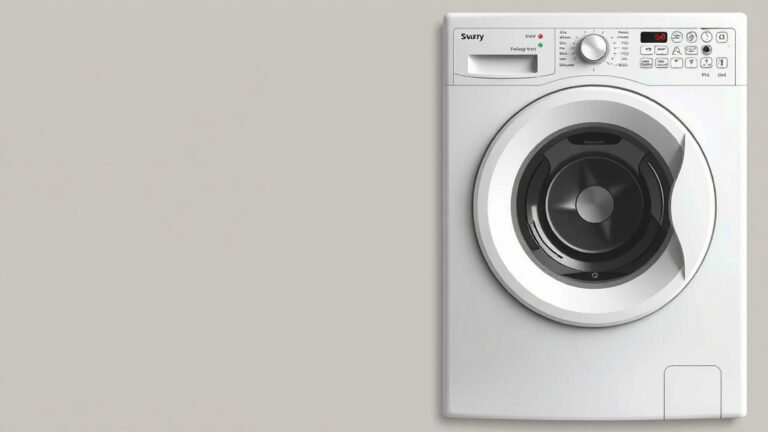
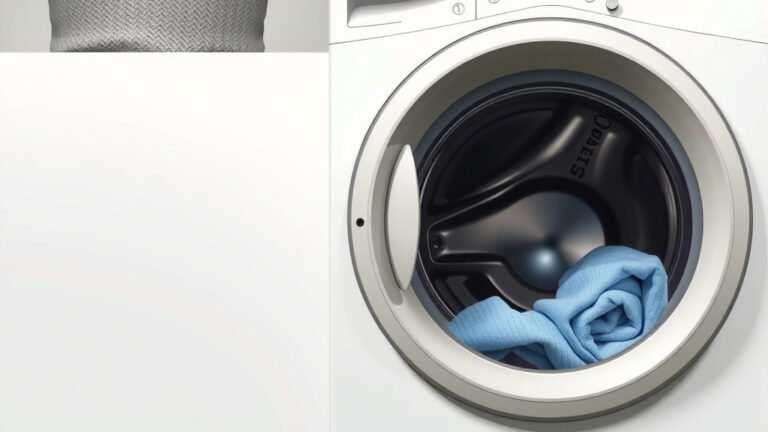
Front-load washers have a door on the front. They use an agitator-free design. Clothes tumble through a small amount of water. This is generally gentler on fabrics. Many find they clean clothes more thoroughly, too. Research consistently shows they use less water and energy than older top-loaders (U.S. Department of Energy). This can save you money on utility bills over time. Another benefit is their spin speed. Higher spin speeds extract more water. This means less time in the dryer, saving even more energy.
Pros of Front-Loaders
- Superior cleaning performance.
- More energy and water-efficient.
- Gentler on clothes, reducing wear and tear.
- Higher spin speeds mean shorter drying times.
- Many models can be stacked with a dryer.
Cons of Front-Loaders
- Typically more expensive upfront.
- Cycles can sometimes be longer.
- You need to bend down to load and unload.
- The door seal can sometimes develop mold if not wiped clean.
Top-Load Washers: The Classic Choice
Top-load washers have a lid on top. They come in two main varieties: those with an agitator and those without (often called high-efficiency or HE top-loaders). The agitator is a central post that twists and turns clothes. This can be tough on delicate items. HE top-loaders use an impeller or wash plate at the bottom of the drum. They move clothes around more gently. Top-loaders are often easier to load and unload. You don’t have to bend over as much. Many people also find the cycle times to be faster.
Pros of Top-Loaders
- Generally more affordable.
- Easier to load and unload without bending.
- Shorter cycle times are common.
- Less prone to mold and mildew issues in the drum.
- You can add forgotten items mid-cycle more easily.
Cons of Top-Loaders
- May not clean as effectively as front-loaders.
- Can be harder on clothes, especially those with agitators.
- Use more water and energy compared to front-loaders.
- Not stackable, requiring more floor space.
What Size Washer Do You Need? Considering Capacity
Washer capacity is measured in cubic feet. This tells you how much laundry the drum can hold. A good rule of thumb is to match capacity to your household size. This prevents overfilling and ensures clothes get clean. Overloading a machine can damage it. It also means your clothes won’t get properly washed.
Here’s a general guide:
| Household Size | Recommended Capacity (Cubic Feet) | Typical Load Size |
|---|---|---|
| 1-2 people | 2.5 – 3.5 cu. ft. | Small loads, towels, bedding |
| 3-4 people | 3.5 – 4.5 cu. ft. | Medium to large loads, family laundry |
| 5+ people | 4.5 cu. ft. or larger | Extra-large loads, bulky items, frequent washing |
Think about your laundry habits. Do you wash large loads less often? Or do you have a big family with constant laundry piles? Consider bulky items like comforters or sleeping bags. If you wash these often, you’ll want a larger capacity machine. Many experts suggest getting a slightly larger capacity than you think you need.
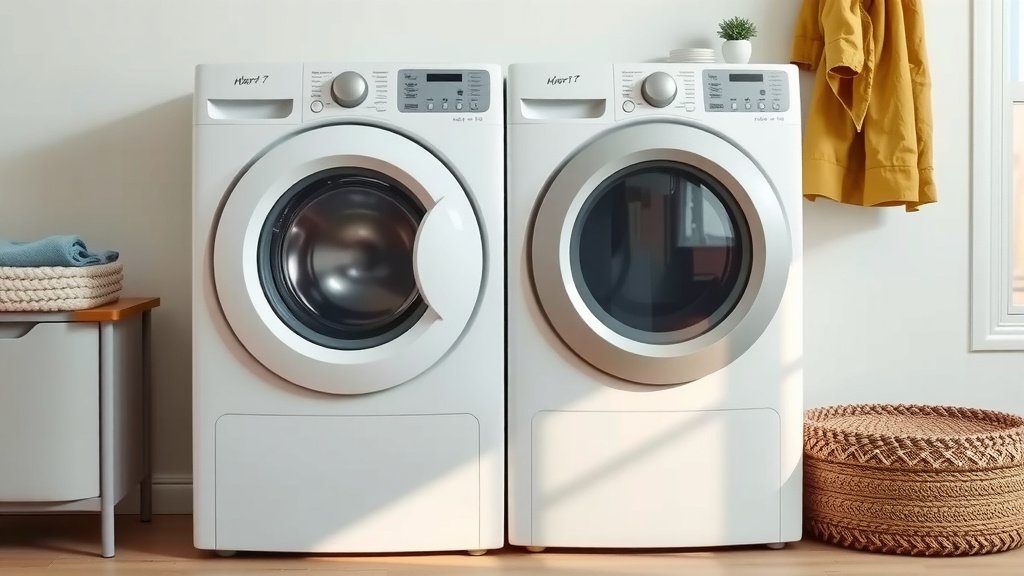
Key Features to Look For
Beyond the basic type and size, washers come with a host of features. Some are essential, while others are nice-to-haves. Think about what will genuinely make your laundry routine easier.
Special Cycles and Settings
Most washers come with standard cycles like normal, delicate, and heavy-duty. But many offer specialized options. These can include steam cycles, sanitize options, or allergen removal cycles. A steam function can help reduce wrinkles and odors. Sanitize cycles are great for baby clothes or bedding. They use higher temperatures to kill germs (CDC). If you have allergies, an allergen cycle can remove dust mites and pet dander.
Energy Efficiency Ratings
Look for the ENERGY STAR label. Appliances with this certification meet strict energy efficiency guidelines set by the EPA. This means they use less energy and water than standard models. Over the life of the appliance, this can lead to significant savings. It’s also better for the environment.
Smart Technology
Some newer washers offer smart features. You can often connect them to your home Wi-Fi. This allows you to control your washer remotely via a smartphone app. You might get cycle notifications, diagnostic help, or even be able to start a wash cycle from work. While convenient, these features often come with a higher price tag. You need to decide if the convenience is worth the extra cost.
Noise and Vibration
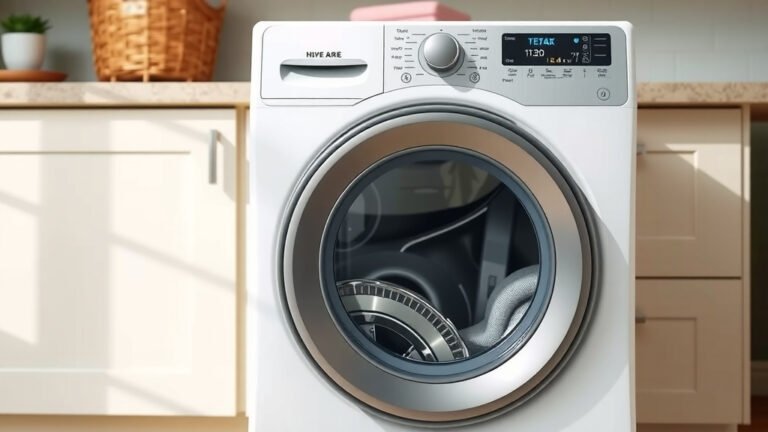
If your laundry room is near a living area, noise level is important. Many modern washers, especially front-loaders, are designed to be quiet. Look for models that advertise low decibel levels or vibration reduction technology. Some machines have features to automatically balance the load, reducing shaking.
Making Your Final Decision: A Quick Checklist
Feeling a bit clearer now? Let’s sum up the key things to consider before you buy.
- Type: Front-load for efficiency and gentleness, or top-load for ease of use and cost.
- Capacity: Match the drum size to your household and laundry habits.
- Budget: Determine how much you’re willing to spend upfront and long-term.
- Features: Prioritize steam, sanitize, or smart tech if they fit your needs.
- Space: Measure your laundry area to ensure the machine fits.
- Noise: Consider how quiet the machine needs to be for your home.
Conclusion
You’ve got this! Choosing a new washer doesn’t have to be a chore. By understanding the differences between front-load and top-load models, considering your household’s capacity needs, and prioritizing the features that matter most to your laundry routine, you can confidently select the perfect machine. Think about your budget and how much space you have. Your ideal washer is out there, ready to make laundry day a little bit easier. Now, take that knowledge and start shopping for the washer that’s right for you.
Frequently Asked Questions
How often should I clean my washing machine?
It’s a good idea to clean your washing machine about once a month. This helps prevent odors and keeps it running efficiently. You can use a washing machine cleaner or a simple mix of vinegar and baking soda.
Can I put a dryer on top of my washing machine?
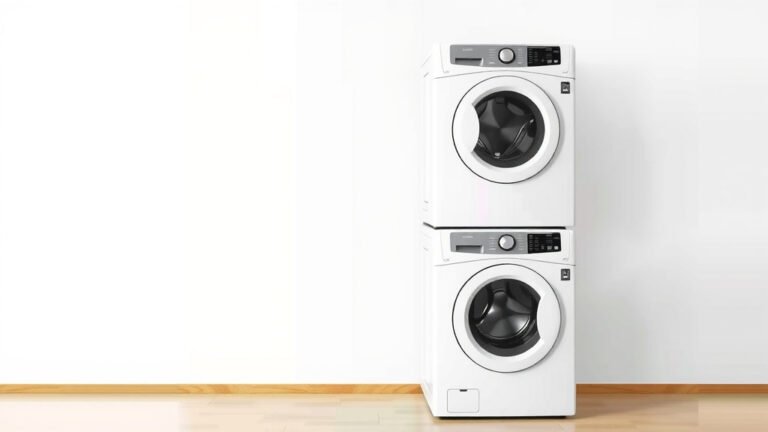
Many front-load washers are designed to be stackable with a matching dryer. You’ll typically need a special stacking kit for safety and stability. Top-load washers cannot be stacked. Many front-load washers are designed to be stackable with a dryer, and our guide to the best stackable washer and dryer can help you find options.
What does “HE” mean on a washing machine?
HE stands for High-Efficiency. HE washing machines, whether front-load or top-load, use less water and energy than traditional machines. They are designed to clean clothes effectively with minimal resources.
Is a steam function on a washer really worth the extra cost?
A steam function can be very helpful for reducing wrinkles and sanitizing clothes. If you often find yourself with wrinkled items or want an extra layer of clean, it might be worth the investment. For basic cleaning needs, it’s more of a luxury.
How can I tell if a washer will be too noisy for my home?
Look for models that specifically advertise quiet operation or vibration reduction technology. Reading user reviews can also give you a good idea of how noisy a particular model is in real-world use. Front-loaders are often quieter than older top-loaders.