How to Choose a Washing Machine: Your Complete Guide
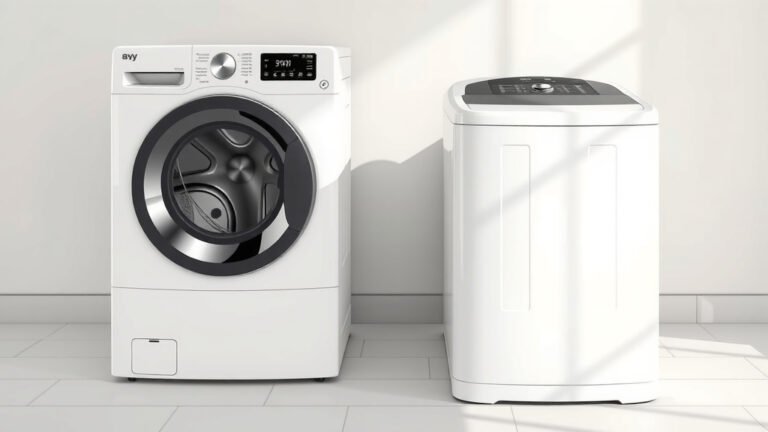
Choosing the right washing machine involves balancing your Choosing the right washing machine involves balancing your needs with what’s available; our guide to the best washing machine can help.budget, space, and laundry needs. Top-load machines are generally more affordable and easier to load. Front-load washers offer better cleaning performance and water efficiency but often come with a higher price tag.
When you’re ready to buy, think about the types of fabrics you wash most often. Consider the capacity needed for your household size. Energy efficiency is also a key factor for long-term savings on your utility bills.
- Top-load vs. Front-load: Pros and Cons
- Capacity: How much laundry do you have?
- Features: Spin speed, cycles, steam, smart tech
- Energy Efficiency: Saving money and the planet
- Budget: What can you realistically afford?
Let’s break down how to pick the perfect washing machine for your home.
Choosing Your Next Washing Machine: A Smart Guide
Selecting the right washing machine can feel like a big decision. You want something that cleans your clothes well. It should also fit your life and your budget. Let’s make this process simple and clear for you.
Top-Load vs. Front-Load Washers: What’s the Difference?
This is often the first choice you’ll make. Both types have their own advantages. Understanding these will help you decide which is best for your home.
Top-Load Washing Machines
Top-load washers have the door on the top. You load your laundry from above. Many people find this easier on their back. You don’t have to bend over as much.
These machines typically use an agitator. This is a central post that twists and turns clothes. This can be tough on delicate fabrics over time. However, they often have a lower upfront cost. They also tend to have faster wash cycles. Many models are also less expensive to purchase initially.
Front-Load Washing Machines
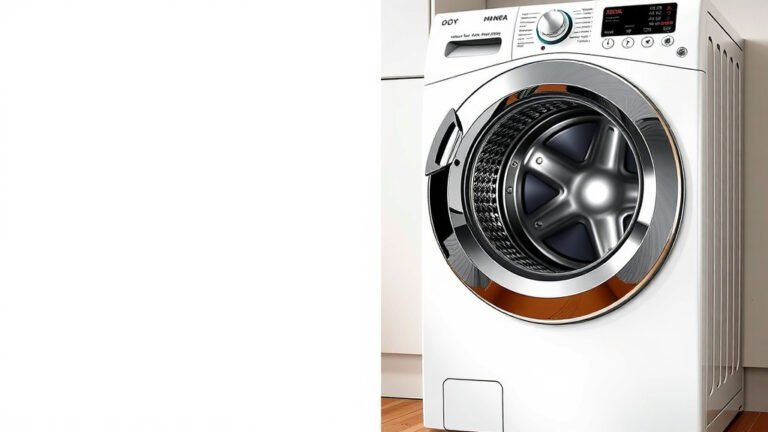
Front-load washers have a door on the front. You load them by bending down or using a pedestal. We’ve found that these machines are generally more gentle on your clothes. They use a tumbling action to clean. This is like a gentle massage for your garments.
Front-loaders are also known for their efficiency. They use less water than most top-loaders. This means lower water bills. They also spin at higher speeds. This extracts more water from clothes. Your dryer won’t have to work as hard, saving energy too. Many experts suggest they offer a superior clean.
The downside? Front-loaders can be more expensive to buy. They also often have longer wash cycles. You might need to buy a pedestal to raise them up. This can add to the overall cost.
| Feature | Top-Load Washer | Front-Load Washer |
|---|---|---|
| Loading Style | Top (easier bending) | Front (requires bending or pedestal) |
| Cleaning Action | Agitator (can be rougher) | Tumbling (gentler) |
| Water Usage | Higher | Lower (more efficient) |
| Energy Efficiency | Generally lower | Generally higher |
| Price | Typically lower | Typically higher |
| Cycle Time | Often faster | Often longer |
What Capacity Do You Really Need?
Think about your household size and laundry habits. A larger capacity washer can handle more clothes at once. This means fewer loads for you. It’s a big time saver.
Household Size and Capacity Needs
For a single person or a couple, a smaller to medium capacity (around 3.5 to 4.0 cubic feet) might be perfect. If you have a family with children, you’ll likely need a larger capacity (4.5 cubic feet or more). This allows you to wash bedding and bulky items with ease.
We found that many families with young children benefit from the largest capacities. You’ll wash more diapers, more play clothes, and more bedding. Don’t underestimate how much laundry kids can generate!
Exploring Key Washing Machine Features
Modern washing machines come with a host of features. Some are genuinely useful. Others might be more than you need.
Spin Speed: Getting Clothes Drier
The spin speed is measured in revolutions per minute (RPM). A higher RPM means the drum spins faster. This extracts more water. Clothes come out drier. They will need less time in the dryer.
Many experts recommend looking for machines with spin speeds of 1000 RPM or higher. This is especially beneficial for energy savings. Less dryer time means lower electricity or gas bills.
Wash Cycles: Tailoring Your Laundry
Most washers offer a variety of cycles. Standard cycles include normal, heavy-duty, and delicates. Many also have specialized cycles like sanitize, steam, or quick wash.
Consider the types of fabrics you wash most often. If you have lots of athletic wear, a steam cycle can help remove odors. If you often wash baby clothes, a sanitize cycle is a great feature. It can kill germs and allergens. Research suggests that using the right cycle can extend the life of your clothing.
Smart Technology: Connected Convenience
Some washers now connect to your home Wi-Fi. You can control them from your smartphone. You might get notifications when a cycle is done. Some apps even help you choose the right wash cycle. This is a convenience feature. It might add to the cost. Think about if you’ll actually use it.
Energy Efficiency: Saving Money and the Planet
Look for the ENERGY STAR certification. This means the washing machine meets strict energy efficiency guidelines. These appliances use less energy and water than standard models.
While ENERGY STAR models may cost a bit more upfront, they save you money over time. You’ll see it on your utility bills. The U.S. Department of Energy notes that washing machines are responsible for a significant portion of household energy use. Choosing an efficient model makes a real difference.
Setting Your Budget: What Can You Afford?
Washing machines range widely in price. From simple, no-frills models to high-tech, connected machines. It’s important to set a realistic budget before you start shopping.
Consider not just the purchase price. Factor in potential delivery and installation costs. If you’re looking at a front-loader, remember the cost of a pedestal. Think about long-term energy savings too. A slightly more expensive, energy-efficient model might be cheaper in the long run.
Here’s a quick checklist to help you decide:
- Do you prefer top-load or front-load?
- What laundry capacity do you need for your household?
- Which special wash cycles are most important to you?
- Is smart technology a must-have or a nice-to-have?
- How much are you willing to spend upfront?
- Do you want an ENERGY STAR certified model?
Conclusion
Choosing your next washing machine is all about matching features to your life. You’ve learned about the core differences between top-load and front-load models. You also know how capacity, spin speed, and special cycles can make a big difference. Don’t forget to consider energy efficiency and your budget for long-term savings. Now, take that checklist we provided and head to the store. You’re ready to find the perfect washer for your home!
Frequently Asked Questions
How often should I clean my washing machine?
We recommend cleaning your washing machine at least once a month. This helps prevent mold, mildew, and odor buildup. Running a hot water cycle with vinegar or a specialized washing machine cleaner works wonders. It keeps your machine running efficiently and your clothes smelling fresh.
Are smart washing machines worth the extra cost?
Smart washing machines offer convenience through app control and notifications. Research shows they can help optimize wash cycles for better results. If you value remote control and advanced diagnostics, they might be worth it. However, if you prefer a simple operation, a non-smart model will serve you just as well.
What is the difference between a High-Efficiency (HE) washer and a standard one?
High-Efficiency (HE) washers use less water and energy than standard models. They typically use a low-sudsing detergent and a different washing action. This makes them gentler on clothes and your utility bills. Most new machines sold today are HE, especially front-loaders.
Can I add clothes mid-cycle to my washing machine?
Many newer front-load and some top-load machines allow you to add clothes mid-cycle. Usually, you need to pause the cycle and wait a few minutes for the door to unlock. Always check your machine’s manual to see if this feature is available and how to use it safely.
What are the benefits of a sanitize cycle?
A sanitize cycle uses hotter water to kill bacteria and allergens on your clothes. This is especially helpful for families with young children or individuals with allergies. It ensures a deeper clean and can provide peace of mind for hygiene-conscious households.
![7 Best Deals On Washer And Dryer [In 2026]](https://homeunderstandable.com/wp-content/uploads/2026/09/7-best-deals-on-washer-and-dryer-in-2026-featured-768x432.jpg)