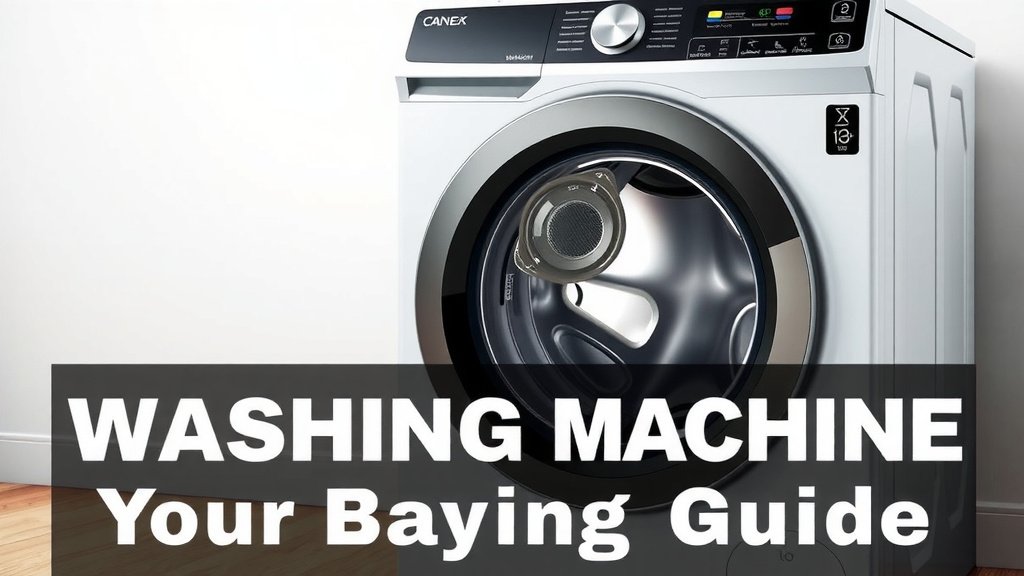
What to Look For in a Washing Machine: Your Buying Guide
When looking for a new washing machine, focus on capacity, energy efficiency, and the types of cycles you’ll actually use. Consider your household size and laundry habits to find the best fit. A machine that’s too small will lead to frequent loads, while one with too many unnecessary features can be confusing and costly.
It’s also wise to research a brand’s reliability ratings and read user reviews. Many experts recommend checking the water usage and spin speed, as these impact both your utility bills and how dry your clothes come out. Getting this right means fewer headaches and cleaner clothes, all while saving money.
- Capacity matters for your family size.
- Look for energy and water-saving features.
- Check brand reliability and user reviews.
- Choose cycles that fit your laundry needs.
- Budget for purchase price and running costs.
Let’s walk through exactly what to consider so you can confidently pick the perfect washing machine for your home.
Choosing the Right Washing Machine for Your Home
Picking a new washing machine can feel like a big decision, right? You want something that works well, saves you money, and doesn’t give you headaches. We’re here to help you sort through all the options so you can find the perfect fit for your laundry routine.
Capacity: How Much Laundry Do You Actually Do?
The first thing to think about is capacity. This is measured in cubic feet and tells you how much laundry the drum can hold. It’s like choosing the right size suitcase for your trip.
Understanding Your Household Needs
A good rule of thumb is to match the washer size to your household. For singles or couples, a smaller capacity (around 2.0-3.5 cubic feet) might be fine. For families of three or four, aim for medium capacity (3.5-4.5 cubic feet). Larger families or those who wash bulky items like comforters often need larger capacities (over 4.5 cubic feet).
The Downside of Too Small (or Too Big)
If your washer is too small, you’ll be doing laundry constantly. That means more time spent washing and drying. On the other hand, a washer that’s too large for your needs can waste water and energy. It also might not clean smaller loads as effectively.
Energy Efficiency: Saving Money and the Planet
Washing machines use a good amount of electricity and water. Looking for energy-efficient models can save you a lot on utility bills over the machine’s lifetime. You’ll also be doing a small part for the environment.
What to Look For on the Label
Keep an eye out for the ENERGY STAR label. Appliances with this label meet strict energy-saving standards set by the U.S. Environmental Protection Agency. We found that ENERGY STAR certified washers use about 25% less energy and 33% less water than regular models.
Water Usage and Spin Speed
Beyond the energy label, check the machine’s water factor. This number tells you how many gallons of water are used per cubic foot of capacity. A lower water factor is better. Also, look at the spin speed, measured in RPM (revolutions per minute). Higher spin speeds extract more water, meaning your clothes will dry faster, which saves on dryer energy.
Washing Machine Types: Top-Loaders vs. Front-Loaders
There are two main types of washing machines: top-loaders and front-loaders. Each has its own pros and cons.
Top-Loaders: Ease of Use and Accessibility
Top-loaders are often less expensive upfront. They are easier to load because you don’t have to bend down as much. You can also add forgotten clothes mid-cycle, which is a handy feature. There are two types of top-loaders: those with a central agitator (the traditional kind) and those with an impeller (a low-profile cone or disc at the bottom).
- Agitator models tend to be tougher on clothes.
- Impeller models offer more capacity and are gentler.
Front-Loaders: High Efficiency and Gentle Cleaning
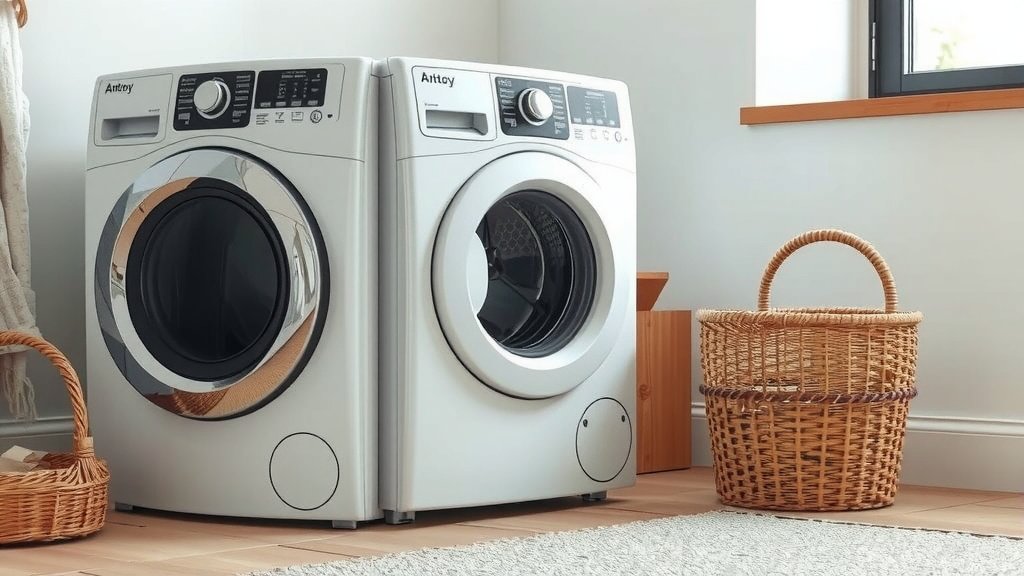
Front-loaders are known for being more energy and water-efficient. They use gravity to tumble clothes, which is a gentler cleaning action. This means less wear and tear on your fabrics. We found that front-loaders generally clean clothes better and have higher spin speeds.
The downside? They usually cost more to buy. You also can’t add clothes once a cycle has started easily. Plus, some people find bending down to load and unload a bit more challenging.
Cycle Selection: Do You Need All Those Options?
Washing machines come with a bewildering array of cycle settings. Think about what you actually wash and choose accordingly.
Essential Cycles for Everyday Laundry
Most people will get by just fine with a few basic cycles:
- Normal/Cotton: For everyday clothes like t-shirts, jeans, and towels.
- Delicates: For items that need gentle handling, like lingerie or silk.
- Permanent Press: For synthetic fabrics that need less heat and a slower spin to prevent wrinkles.
- Heavy Duty: For heavily soiled items like work clothes or bedding.
Specialty Cycles to Consider
Some washers offer specialty cycles. Do you have a baby? A “Sanitize” cycle that uses extra-hot water can kill germs. Do you have allergies? Look for a “Deep Fill” or “Allergen” cycle. If you want your clothes to be ready to wear, a “Steam” option can help reduce wrinkles and refresh garments.
Don’t pay extra for cycles you’ll never use! We found that many users stick to just a few favorite settings.
Beyond the Basics: Features and Reliability
Once you’ve covered the essentials, think about other features and a brand’s reputation.
Smart Features and Connectivity
Some newer machines offer “smart” capabilities. You can often control them via an app on your phone. This lets you start, stop, or monitor cycles remotely. You might even get notifications when a load is done. Is this worth the extra cost for you? It depends on your lifestyle and how much you value convenience.
Noise Levels and Vibration
If your laundry room is near a living area, noise might be a concern. Some machines are much quieter than others. Check user reviews for comments on noise levels. Front-loaders tend to be quieter and vibrate less due to their balanced designs.
Reliability and Brand Reputation
Do your homework on brand reliability. We found that some brands consistently get better reviews for durability and fewer repair calls. Consumer Reports and other independent testing organizations often publish reliability data based on user surveys. Reading recent customer reviews online can also give you a good sense of a machine’s performance and potential issues.
Budgeting for Your Washing Machine Purchase
When setting your budget, remember to consider both the upfront cost and the long-term running costs. A cheaper machine might cost more to run due to higher water and energy use. Factor in potential repair costs down the line, too.
A good washing machine is an investment that can last 10-15 years. Aim for a balance between features, efficiency, and price that suits your needs and budget. We recommend a checklist to help you stay on track.
Your Washing Machine Checklist
- Capacity: Does it fit your household size?
- Efficiency: Is it ENERGY STAR certified?
- Type: Top-loader or front-loader?
- Cycles: Does it have the cycles you need?
- Reliability: What do reviews say about the brand?
- Budget: Does it fit your purchase and running cost plan?
Conclusion
You’ve learned that choosing a washing machine involves balancing key factors like capacity for your family size and energy efficiency to save on bills. We’ve seen how top-loaders and front-loaders offer different benefits, and how selecting the right wash cycles prevents paying for features you won’t use. Don’t forget to research brand reliability and consider both the upfront and running costs. Your next step is to use your new knowledge to create your personalized washing machine checklist and start shopping for a model that truly meets your home’s needs.
Frequently Asked Questions
How do I know if a washing machine is truly energy efficient?
Look for the ENERGY STAR label. This certification means the appliance meets strict energy-saving standards. Also, compare the machine’s water factor and spin speed ratings; lower water usage and higher spin speeds are better for efficiency.
Is a front-loader always better than a top-loader?
Front-loaders are generally more energy and water-efficient and offer gentler cleaning. However, top-loaders are often less expensive, easier to load, and allow you to add clothes mid-cycle. The best choice depends on your priorities and budget.
What’s the difference between an agitator and an impeller top-loader?
A traditional agitator is a central post that twists clothes, which can be rougher. An impeller is a low-profile disc or cone at the bottom that uses friction to move clothes; these models typically offer more capacity and are gentler on fabrics.
How much capacity do I really need?
Consider your household size. For one or two people, 2.0-3.5 cubic feet is often sufficient. Families of three or four might need 3.5-4.5 cubic feet, while larger households or those washing bulky items regularly should look for over 4.5 cubic feet.
Are smart features on washing machines worth the extra cost?
Smart features, like app control and remote monitoring, offer convenience for some users. Whether they are “worth it” depends on your lifestyle and how much you value remote control. For many, standard features are perfectly adequate.
![7 Best Rated Stacked Washer Dryer [In 2026]](https://homeunderstandable.com/wp-content/uploads/2026/09/7-best-rated-stacked-washer-dryer-in-2026-featured-768x432.jpg)
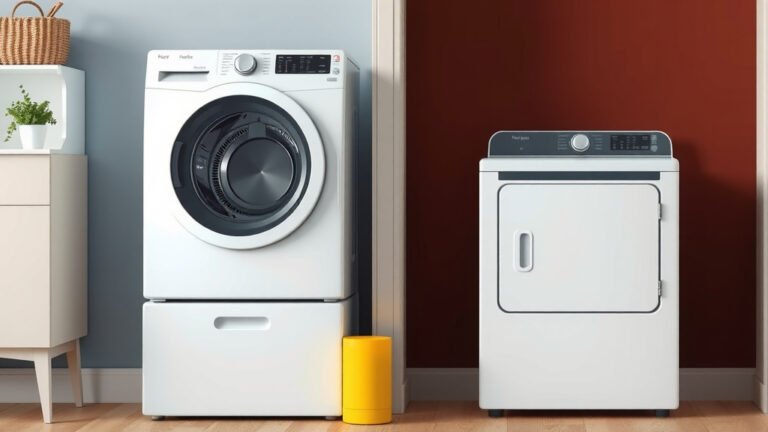
![7 Best Clothes Washer Under $500 [In 2026]](https://homeunderstandable.com/wp-content/uploads/2026/09/7-best-clothes-washer-under-500-in-2026-featured-768x432.jpg)
![7 Best Basic Washing Machines [In 2026]](https://homeunderstandable.com/wp-content/uploads/2026/09/7-best-basic-washing-machines-in-2026-featured-768x432.jpg)