Full Top Load Washer: Tips & Tricks
Yes, you can absolutely run a full load in your top-load washing machine. Most modern top-loaders are designed to handle a full capacity of clothes without any issues. Just make sure you don’t overstuff the drum, as this can prevent proper water circulation and cleaning.
Washing a full load is generally more energy-efficient and water-wise. It means fewer cycles overall for your laundry needs. We found that using the correct detergent amount is key for getting clothes clean in a full load.
- Wash full loads for efficiency.
- Don’t overstuff the machine.
- Proper detergent use is important.
- Check your machine’s manual.
Let’s walk through exactly how to get the most out of your top-loader with a full load.
Maximizing Your Top-Load Washer’s Capacity
You’re probably wondering, can I really pack it in there? The short answer is yes, you can wash a full load in your top-load washing machine. Most modern machines are designed to handle a full drum. This is great news for saving time and energy. We found that washing larger loads is generally more eco-friendly.
Understanding Your Machine’s Load Size
Think of your washing machine drum like a donut. You want to fill the hole, but you don’t want to pile the donuts so high they spill over. Your goal is to allow clothes to tumble freely. This is essential for proper cleaning and rinsing.
The “Tumble” Test
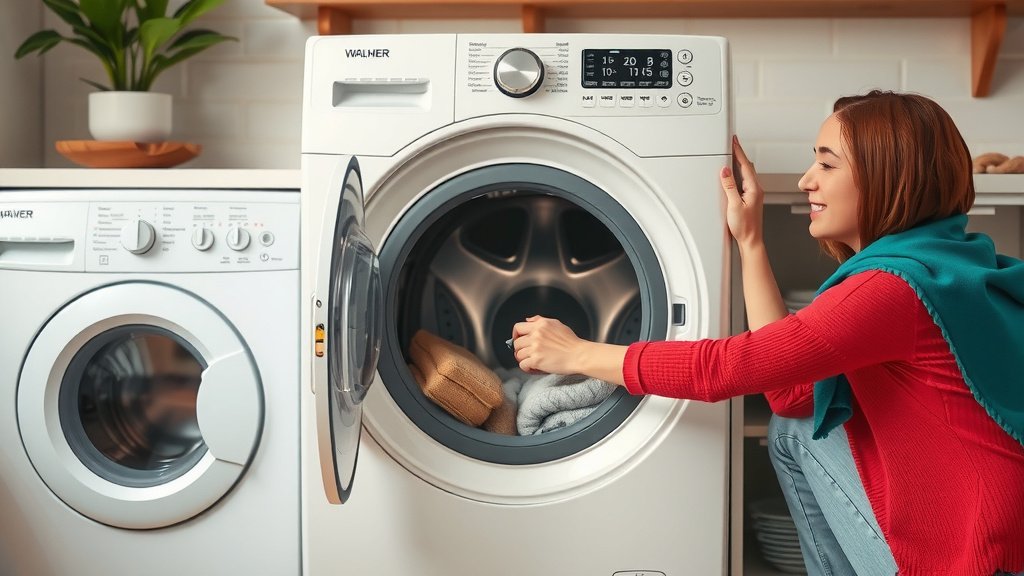
Here’s a simple way to check if your load is too big. After you’ve loaded your clothes, reach into the drum. Can you easily stick your hand in and move the clothes around? If you can easily separate a few items and see space for them to move, you’re likely good to go. If it feels packed tight, and you can’t easily move things, you might have too much in there. We found this visual cue very helpful.
Why Washing Full Loads Makes Sense
Running your washing machine multiple times with small loads uses more electricity and water. A full load means you get your laundry done in fewer cycles. This helps you save money on your utility bills. Many experts agree that using your appliances efficiently is a smart financial move (U.S. Department of Energy).
Water and Energy Savings
When you wash a full load, the machine uses the same amount of water and energy as it would for a half-load. It’s like cooking a meal for two versus a meal for six – you use roughly the same amount of energy to heat the oven. We found that running your machine less often makes a noticeable difference over time.
The Right Way to Load for a Full Wash
Loading your top-loader correctly is key. Don’t just stuff clothes in haphazardly. Start by placing larger items, like sheets or towels, around the sides of the drum. Then, fill in the middle with smaller items. This helps to distribute the weight evenly.
Avoiding Overstuffing is Crucial
Overstuffing can cause several problems. Clothes won’t get clean because detergent and water can’t circulate properly. This can leave behind stains and odors. Plus, it puts unnecessary strain on your machine’s motor. We found that a few extra minutes of careful loading prevent longer-term issues.
Choosing the Right Detergent Amount
When you wash a full load, you might be tempted to add more detergent. Resist this urge! Using too much detergent is a common mistake. It can lead to residue on your clothes. It can also cause excessive suds that prevent proper rinsing. Always follow the detergent manufacturer’s recommendations. They usually have guidelines based on load size and water hardness.
High-Efficiency (HE) Detergent
If your top-loader is a High-Efficiency (HE) model, it’s vital to use HE detergent. These machines use less water. HE detergents are formulated to produce fewer suds. Using regular detergent in an HE machine can cause oversudsing and machine problems. Many sources, like appliance manufacturers, strongly recommend this (Whirlpool).
Detergent Dosage Guide for Full Loads
Here’s a simple guideline:
- Liquid Detergent: Check the cap for fill lines. For a large or full load, you’ll likely use the maximum line indicated.
- Powder Detergent: Use the scoop provided. Again, follow the lines for a large load.
- Pods: Typically, one pod is sufficient for a standard full load. Check the packaging for specifics.
We found that using the correct amount prevents dingy clothes and keeps your machine happy. It’s all about balance!
| Load Size | Detergent Amount (General Guide) | Key Benefit |
|---|---|---|
| Small/Medium | Use the lower fill line or recommended amount. | Prevents excessive suds. |
| Large/Full | Use the higher fill line or recommended amount. | Ensures adequate cleaning power. |
Recognizing a Clean Load
After the cycle finishes, your clothes should look and smell clean. They shouldn’t have any detergent residue or feel stiff from soap. If you notice any issues, it might be related to how you loaded the machine or the amount of detergent used. Some common culprits include not enough space for tumbling or using the wrong type of detergent.
What to Do If Clothes Aren’t Clean
If your clothes aren’t coming out clean, try these simple checks. First, ensure you haven’t overstuffed the drum. Next, verify you’re using the correct amount of detergent. Sometimes, the water temperature setting might also play a role. Cold water is great for energy savings, but warm or hot water is better for removing tough stains and sanitizing (CDC).
Check Your Owner’s Manual
Every washing machine is a bit different. Your owner’s manual is your best friend for specific guidance. It will tell you the exact capacity of your machine. It will also detail recommended detergent amounts and any special features. We found that referring to the manual can solve many common laundry dilemmas. You can usually find digital copies on the manufacturer’s website if you’ve misplaced yours.
Your Machine’s Specifics Matter
Some top-loaders have specific load-sensing features. Others require you to select the load size manually. Understanding these settings will help you get the most efficient wash. Don’t guess – your manual has the **precise instructions** for your model.
Quick Checklist for a Full Load
Here’s a quick rundown to make sure your full loads are a success:
- Load clothes loosely, allowing space for movement.
- Ensure you can easily reach into the drum.
- Use the correct detergent amount as per the manufacturer.
- Select the appropriate water temperature and cycle.
- Check your owner’s manual for model-specific advice.
- Avoid adding extra detergent for larger loads.
Conclusion
You’ve learned that your top-load washer is designed for full loads. The key is to load it correctly, allowing clothes to tumble freely. Remember to use the right amount of detergent – more isn’t always better. By following these simple steps, you’ll achieve cleaner clothes and make your laundry routine more efficient. Your next step is to apply these tips to your very next load of laundry. You’ve got this!
Frequently Asked Questions
Can I wash just one or two items in my top-load washer?
While you can technically wash just a few items, it’s not the most efficient use of water and energy. We’ve found that running a fuller load is better for saving resources. For very small loads, consider using a delicate cycle if your machine offers one.
How do I know if I’ve put too many clothes in my top-loader?
A good rule of thumb is the “tumble test.” After loading, you should be able to easily reach into the drum and separate some items. If the drum feels packed tight and you can’t move clothes around, you’ve likely overstuffed it. We found this method very reliable for judging load size.
Will my clothes get clean if I wash a full load on a cold setting?
Cold water is excellent for energy savings and can clean many items effectively. However, for heavily soiled clothes or items needing sanitization, warmer water might be necessary. Check your detergent’s packaging for its recommended water temperature for best results.
What happens if I use too much detergent in a full load?
Using too much detergent can prevent proper rinsing, leaving residue on your clothes. This can make fabrics feel stiff or look dingy. Excessive suds can also interfere with your washer’s performance. We’ve seen that sticking to recommended amounts keeps clothes and the machine in good shape.
Is it okay to mix different types of fabric in a full load?
Generally, yes, you can mix fabric types in a full load, but it’s best to group similar items when possible. For instance, wash heavy towels separately from delicate blouses. Always check garment care labels to avoid potential damage from mixing.
![7 Best Washing Machines [In 2026]](https://homeunderstandable.com/wp-content/uploads/2026/08/7-best-washing-machines-in-2026-featured-768x432.jpg)