
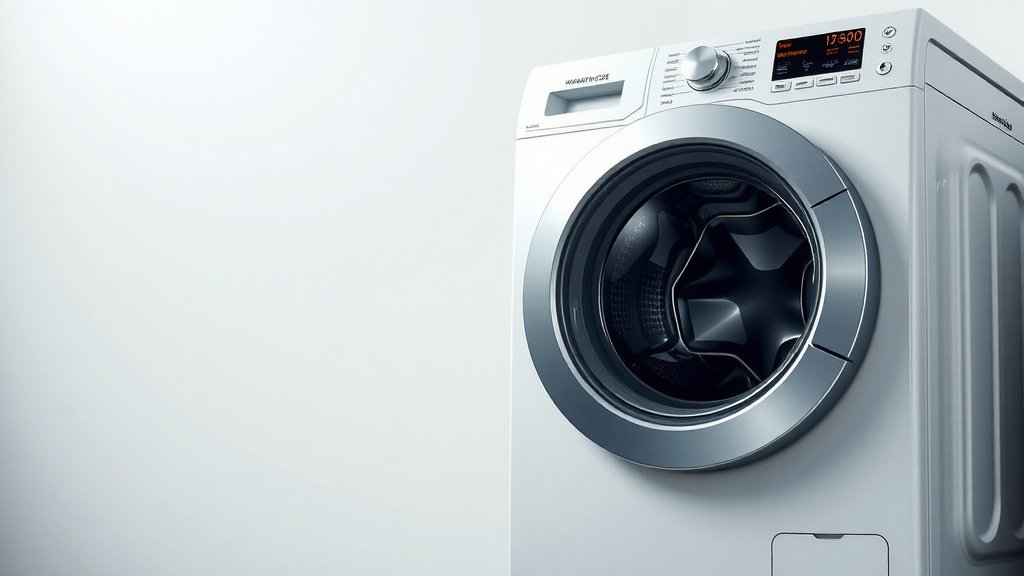
Buying a Washing Machine: What You Need to Know
When buying a washing machine, focus first on your laundry needs and available space. Consider the size of your loads and whether you prefer a top-load or front-load model, as each has distinct advantages for different households. Think about energy efficiency ratings to save money over time.
Choosing the right washing machine involves understanding different types like HE (High Efficiency) models and their benefits. Many experts say that matching the machine’s features to your lifestyle, such as specific wash cycles for delicate items or heavy-duty cleaning, will lead to the best long-term satisfaction. Don’t forget to budget for installation and potential repair costs.
- Consider your typical laundry load size.
- Decide between top-load and front-load styles.
- Look for energy-efficient models (like HE).
- Factor in available space and installation needs.
- Think about special wash cycles you might need.
Ready to find the perfect machine for your home? We’ve gathered the essential information to help you make a smart choice.
“`htmlNavigating Your Washing Machine Purchase
Buying a new washing machine can feel like a big decision. You want something that cleans your clothes well. You also want it to last for years. We’ve put together key points to help you choose wisely.
Understanding Washing Machine Types: Top-Load vs. Front-Load
The first major choice you’ll make is between a top-load and a front-load washing machine. Both have their own perks.
Top-Load Washers: The Classic Choice
Top-load machines have the lid on top. You load your laundry from the top. They often come in two main styles: traditional agitator models and high-efficiency (HE) impeller models.
Traditional Agitator Top-Loaders
These are the kind many of us grew up with. They use a central post, called an agitator, to move clothes around. This method is tough on fabrics. But, it can handle larger loads and offer faster wash cycles. Some people find them more robust for heavily soiled items.
High-Efficiency (HE) Impeller Top-Loaders
HE top-loaders don’t have a central agitator. Instead, they use a low-profile disc or cone at the bottom. This impeller uses friction to move clothes. They use less water and energy than traditional models. Clothes tend to get less tangled, too. Wash times can be longer, though.
Front-Load Washers: The Modern Contenders
Front-load washers have a door on the front. You load clothes through this door. They tumble clothes from the bottom up. This tumbling action is gentler on your clothes. They are also known for being very water and energy efficient. Many models offer excellent cleaning performance.
Pros of Front-Loaders
Front-loaders generally use less water. They also spin clothes faster. This means more water is removed. Your clothes will dry quicker. This saves on dryer time and energy costs. They also tend to be quieter. Plus, you can often stack a dryer on top. This saves valuable floor space in your laundry room.
Cons of Front-Loaders
Wash cycles can take longer. You also need to be mindful of the door seal. It needs to be wiped down regularly. This prevents mold and mildew buildup. Some people find bending down to load and unload a bit difficult. However, many pedestal stands can raise the machine to a more comfortable height.
Capacity: How Much Laundry Do You Actually Do?
Think about the size of your household. This will help you determine the drum capacity you need. Washing machine capacities are usually measured in cubic feet.
Small Households (1-2 people)
A smaller capacity machine, around 2.0 to 3.5 cubic feet, is often enough. It will handle standard loads without wasting water or energy.
Medium Households (3-4 people)
You’ll likely do more laundry. Look for a medium capacity, typically between 3.5 to 4.5 cubic feet. This size is a good balance for most families.
Large Households (5+ people) or Big Washers
If you have a big family or find yourself washing bulky items like comforters often, consider a large capacity washer. These range from 4.5 cubic feet and up. They can handle king-size bedding with ease.
Energy Efficiency Matters: Save Money and the Planet
Look for the ENERGY STAR label. ENERGY STAR certified appliances meet strict energy efficiency guidelines. They use less energy and water than standard models. This saves you money on utility bills over time. It’s also a great way to reduce your environmental impact. Many studies show long-term savings can be quite substantial.
When comparing models, check the estimated annual energy consumption. You can often find this information on the yellow EnergyGuide label. HE washers, especially front-loaders, are typically the most efficient.
Special Features to Consider
Beyond the basics, washing machines offer a range of features. Think about what would make your laundry routine easier.
Wash Cycles and Options
Do you wash a lot of delicate items? Or perhaps heavy-duty work clothes? Look for machines with cycles tailored to your needs. Common cycles include: delicates, permanent press, bulky items, sanitize, and quick wash. Some machines offer steam cycles to help remove stains and allergens. Others have smart features that let you control them from your phone.
Spin Speed
A higher spin speed means clothes come out drier. This is measured in revolutions per minute (RPM). Machines with 1200 RPM or higher are excellent for reducing drying time. Remember that higher spin speeds can be noisier. They might also be a bit harsher on very delicate fabrics.
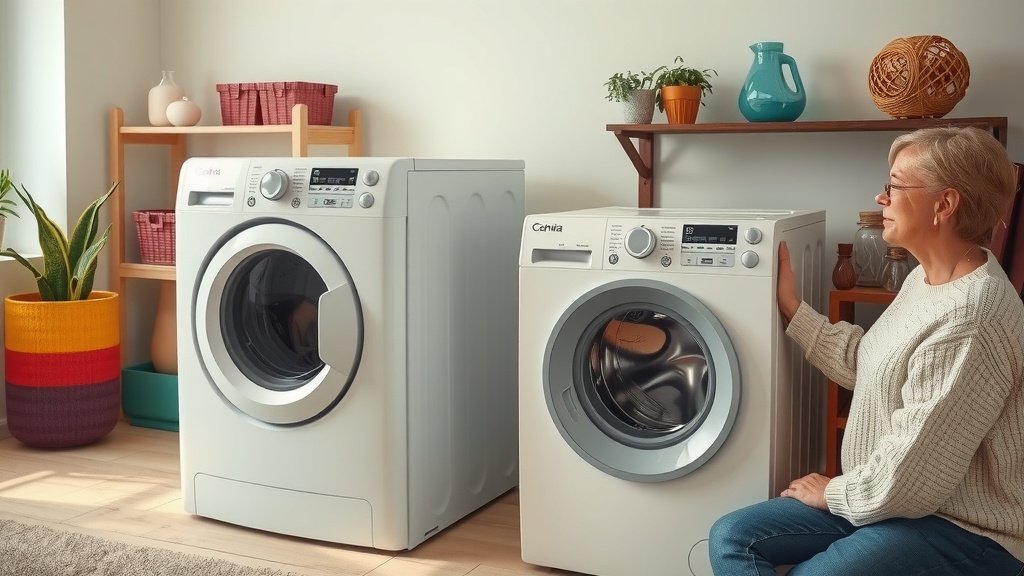
Noise Levels: A Consideration for Open Spaces
If your laundry area is near living spaces, noise is important. Front-load washers are generally quieter than top-loaders. Look for models that advertise quiet operation or vibration reduction technology. Reading user reviews can give you a good idea of real-world noise levels.
Budgeting for Your New Machine
Washing machine prices vary widely. Consider not just the upfront cost, but also installation fees. If you’re replacing an old machine, check if the retailer offers removal services. Also, think about the long-term costs of water and energy use. A slightly more expensive, energy-efficient model can save you money in the long run.
| Feature | Top-Load (Agitator) | Top-Load (Impeller) | Front-Load |
|---|---|---|---|
| Loading Style | Top | Top | Front |
| Water Usage | High | Medium | Low |
| Energy Efficiency | Low | Medium | High |
| Gentle on Clothes | Low | Medium | High |
| Typical Wash Time | Short | Medium | Long |
| Stackable Option | No | No | Yes (with matching dryer) |
Your Washing Machine Checklist
- Measure your laundry space carefully.
- Determine your typical load size.
- Decide on top-load or front-load.
- Check ENERGY STAR ratings.
- Prioritize needed wash cycles.
- Set a realistic budget.
Conclusion
You’ve learned what goes into choosing a new washing machine. Matching your laundry habits to machine features is key. Consider load size, type, and efficiency. Don’t forget about the space you have. Thinking about these details now saves you trouble later. You’ll find a washer that fits your life perfectly. Take this knowledge and start looking for your ideal machine today. Your laundry days will thank you.
Frequently Asked Questions
How do I know if I need a large capacity washer?
If you frequently wash bulky items like comforters or have a large family with a lot of laundry, a large capacity washer is likely a good choice. Machines with 4.5 cubic feet or more are considered large capacity. This ensures you can wash bigger loads efficiently.
Are front-load washers really more energy efficient?
Yes, research shows that front-load washers generally use less water and energy than most top-load models. Their tumbling action requires less water to saturate clothes. They also spin faster, removing more water and cutting down on dryer time.
What does ENERGY STAR certified mean for a washing machine?
ENERGY STAR certified washing machines meet strict energy efficiency guidelines set by the EPA. This means they use less electricity and water than standard models. Choosing an ENERGY STAR model can lower your utility bills over time.
Is a steam cycle worth the extra cost on a washing machine?
A steam cycle can be beneficial if you often deal with tough stains or have allergy concerns. Steam helps to lift dirt and sanitize fabrics. It can reduce the need for harsh detergents. If these are priorities for you, it might be a worthwhile feature.
How much should I budget for a washing machine, including installation?
Washing machine prices vary, but you should expect to spend anywhere from $500 to $1500 or more for a new unit, depending on features and brand. Factor in an additional $100-$300 for professional installation if you need it. Some retailers include basic installation with purchase.
![7 Best Washers Under $500 [In 2026]](https://homeunderstandable.com/wp-content/uploads/2026/08/7-best-washers-under-500-in-2026-featured-768x432.jpg)
![7 Best Stackable Compact Washer Dryer [In 2026]](https://homeunderstandable.com/wp-content/uploads/2026/09/7-best-stackable-compact-washer-dryer-in-2026-featured-768x432.jpg)