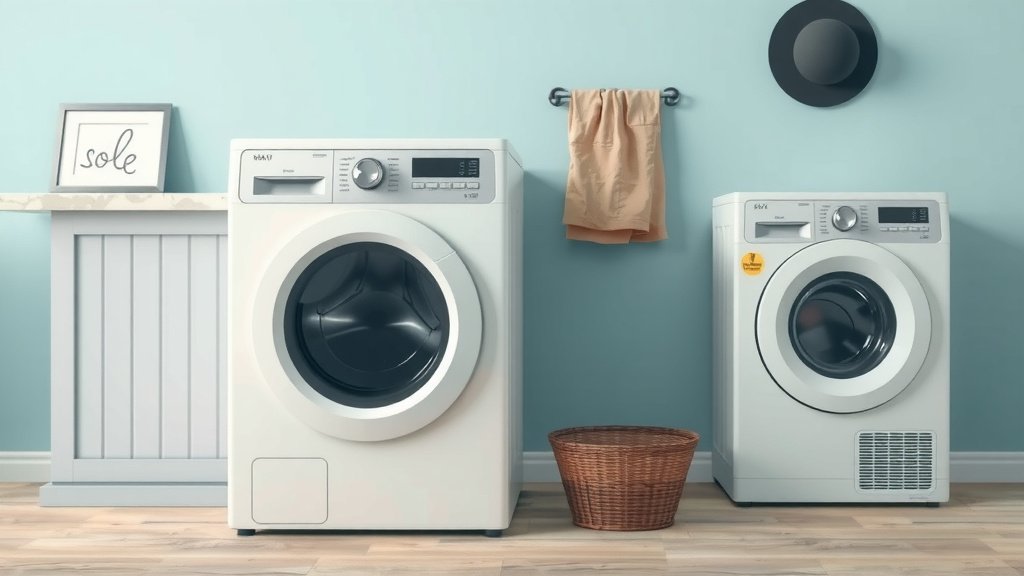
Best Washing Machine and Dryer Buys for 2026
Finding the best washing machine and dryer depends on your needs. Many consumers find front-load washers and dryers to be the most efficient and effective. Look for models with large capacities and smart features for convenience.
When choosing a washer and dryer, consider your budget, space, and laundry habits. Energy efficiency is key for long-term savings. We found that models with multiple cycle options handle a variety of fabrics well.
TL;DR:
- Top front-load washers are often best for efficiency.
- Consider capacity and smart features.
- Energy efficiency saves money over time.
- Look for versatile cycle options.
Ready to find the perfect set for your home? Let’s walk through what to look for in a new washing machine and dryer.
Choosing Your Ideal Washer and Dryer Set
Selecting the perfect washing machine and dryer is more than just picking a shiny appliance. It’s about finding a partner for your laundry routine that fits your life. We’ve researched what matters most to consumers. You want efficiency, reliability, and ease of use. Let’s break down the key factors to consider.
Understanding Washer Types: Top Load vs. Front Load
The first big decision is between a top-load washer and a front-load washer. Each has its own benefits. Top-loaders are generally more affordable upfront. They also tend to be faster for a single load.
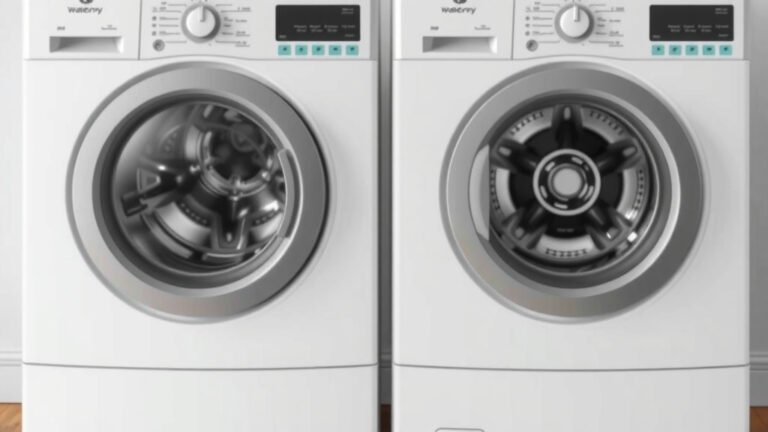
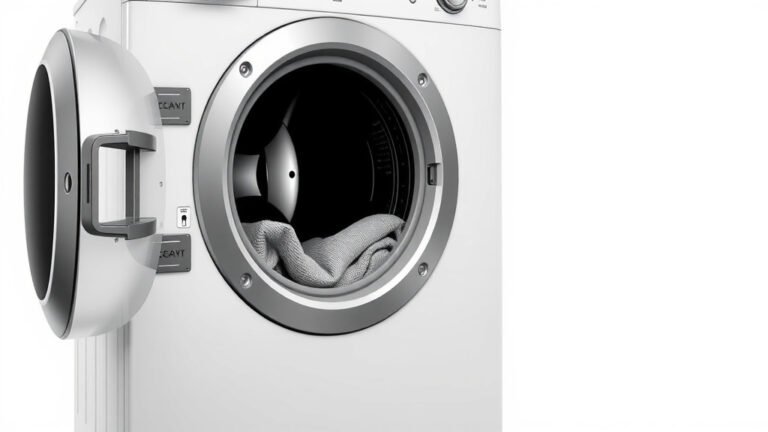
Front-load washers often win in the efficiency department. They use less water and less energy per load. This can lead to significant savings on your utility bills over time. Many studies show front-loaders clean clothes more gently, too. They also tend to spin water out more effectively, meaning shorter drying times.
Dryer Technologies: What’s Best for Your Clothes?
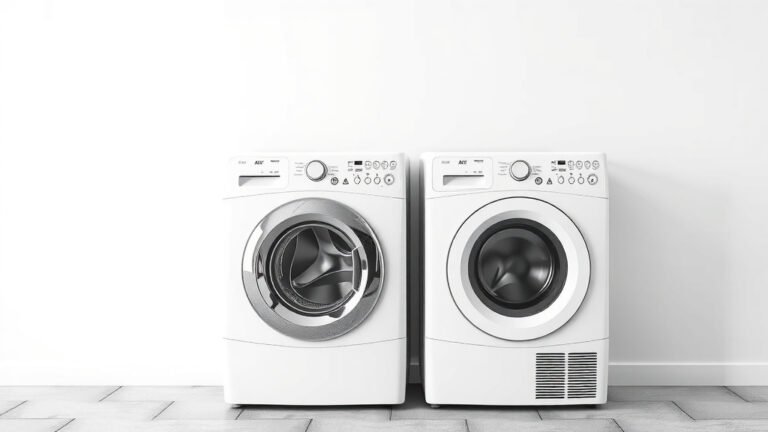
When it comes to dryers, you’ll typically choose between electric and gas models. Gas dryers are usually less expensive to operate in the long run, assuming you have a gas line available. Electric dryers are more common and easier to install.
Beyond the power source, consider the dryer’s technology. Traditional dryers use a heating element and tumbling action. We found that some newer models offer advanced features. These can include moisture sensors that automatically stop the cycle when clothes are dry. This prevents over-drying and saves energy.
Capacity: How Much Laundry Do You Tackle?
Think about the size of your family and your laundry habits. Do you have a large household? You might need a high-capacity washer and dryer. These larger units can handle bigger loads, like bulky blankets or multiple loads at once. This can save you time and trips to the laundromat.
For smaller households or individuals, a standard-capacity model might be perfectly sufficient. It’s a balance between having enough space and not wasting energy on oversized loads. We recommend measuring your typical laundry pile to get a good idea of what size you’ll need.
Energy Efficiency: Saving Money and the Planet
Energy Star certified appliances are a smart choice. These models meet strict energy efficiency guidelines set by the EPA. This means they use less energy and water than standard models. While they might have a slightly higher upfront cost, the long-term savings are substantial.
Many experts point to Energy Star certification as a key indicator of a machine’s efficiency (Energy Star). You can often find the estimated yearly operating cost on the yellow EnergyGuide label. It’s worth comparing these numbers when making your decision.
Key Features to Look For
Modern washers and dryers come with a host of features. Some are essential, while others are nice-to-haves. Let’s look at what’s most impactful.
Smart Features for Convenience
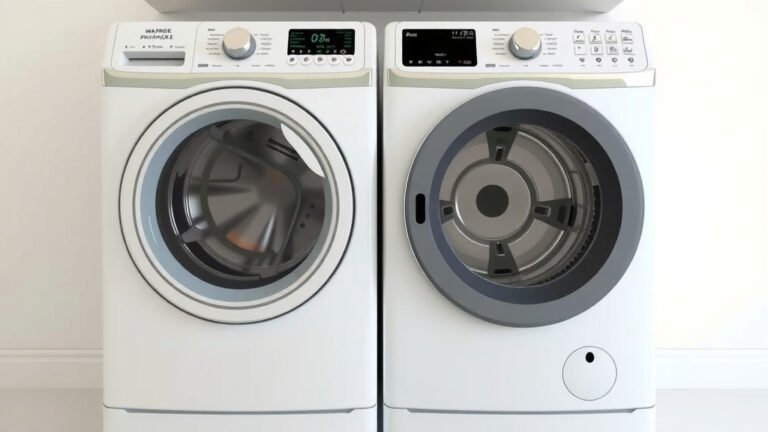
Smart appliances connect to your home Wi-Fi. You can often control them remotely using a smartphone app. This means you can start a load while you’re at work or get an alert when the cycle is done. We found these features add a layer of convenience to busy schedules.
Specialty Cycles and Settings
Does your household have special fabric needs? Look for machines with a variety of wash and dry cycles. Options like delicate, heavy-duty, sanitizing, or steam cycles can be very useful. These settings ensure your clothes are cleaned properly without damage.
Noise Levels
If your laundry area is near living spaces, noise might be a concern. Some models are designed with quiet operation in mind. Look for terms like “low decibel” or “vibration reduction.” We found that many front-load models tend to be quieter than older top-load designs.
Our Checklist for Buying Your Next Washer and Dryer
To help you navigate the process, here’s a quick checklist:
- Confirm your space: Measure the area where the machines will go.
- Decide on load size: How much laundry do you do?
- Prioritize efficiency: Look for Energy Star ratings.
- Consider your budget: Factor in upfront cost and long-term savings.
- Check for key features: What wash/dry cycles do you need?
- Read reviews: See what other users say about reliability.
Considering Your Budget and Long-Term Value
The “best” washer and dryer isn’t always the most expensive. It’s about finding a balance that works for your wallet and your laundry needs. A more expensive, energy-efficient model might save you money over its lifespan. We’ve seen many consumers happy with the long-term value of these efficient appliances.
Think about the total cost of ownership. This includes the purchase price plus energy and water costs over several years. Sometimes, a slightly higher initial investment pays off significantly down the road.
Making the Final Choice for Your Home
Choosing a washing machine and dryer is a personal decision. Your lifestyle, family size, and budget all play a role. We found that by focusing on efficiency, capacity, and the features that truly matter to you, you can make a selection you’ll be happy with for years to come. Don’t be afraid to compare models and read up on user experiences before you buy.
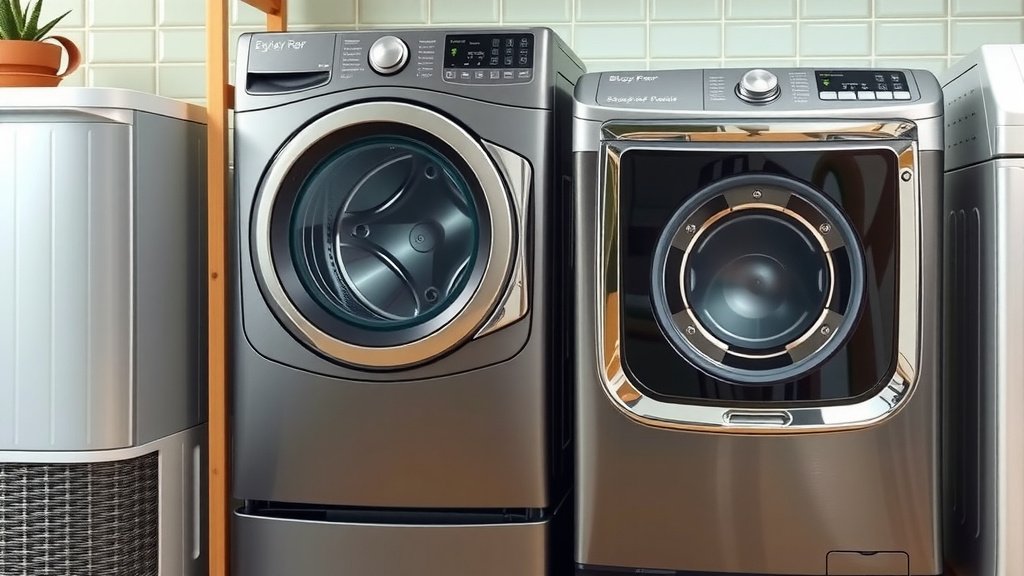
Conclusion
You’re now equipped to make a smart choice for your laundry needs. Remember that the best washing machine and dryer is one that fits your budget, space, and lifestyle. We’ve seen that prioritizing energy efficiency and considering features like capacity and smart controls will serve you well. Don’t just look at the price tag; think about the long-term value. Now, it’s time to take your measurements, check your utility hookups, and start comparing models to find the perfect set that will make laundry day a breeze for years to come.
Frequently Asked Questions
How much space do I really need for a washer and dryer?
You’ll need to measure the height, width, and depth of the space where your appliances will go. Always allow a few inches of clearance around the back and sides for airflow and hose connections. This prevents overheating and makes maintenance easier.
Are front-load washers worth the extra cost?
Many consumers find front-load washers to be worth it. They generally use less water and energy, which saves you money on utility bills. Plus, research indicates they are gentler on clothes and spin out water more effectively, reducing drying time.
What does “Energy Star certified” actually mean for my laundry?
An Energy Star certified washer or dryer meets strict energy efficiency guidelines. This means it uses less electricity and water compared to standard models. Choosing these models can lead to noticeable savings on your monthly utility bills and is better for the environment.
How do I know what dryer type (electric vs. gas) is best for me?
If you have a gas line connection in your laundry area, a gas dryer is often cheaper to run over time. Electric dryers are more common and usually simpler to install if you don’t have a gas hookup. Consider your existing utilities and local energy costs.
Are smart features really necessary on a washer and dryer?
Smart features offer convenience, not necessity. They let you control your machines remotely via an app, start cycles while you’re out, or get notifications when a load is done. If you have a busy schedule or enjoy tech conveniences, they can be a great addition.