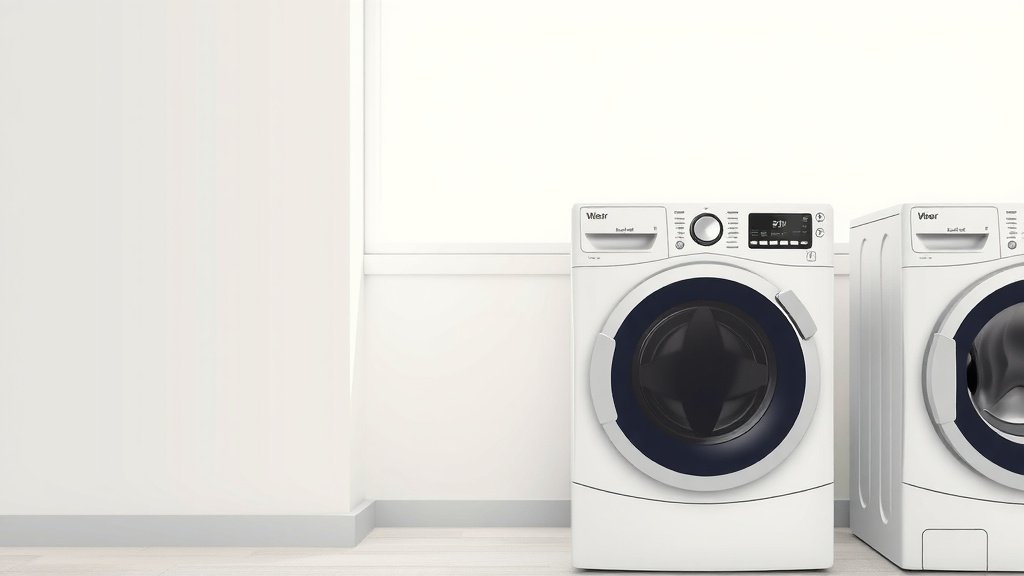
Best Washer Dryer Set: Your 2026 Buying Guide
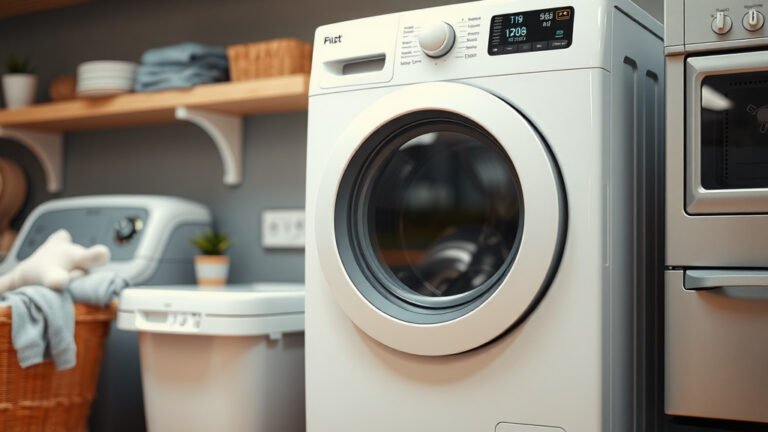
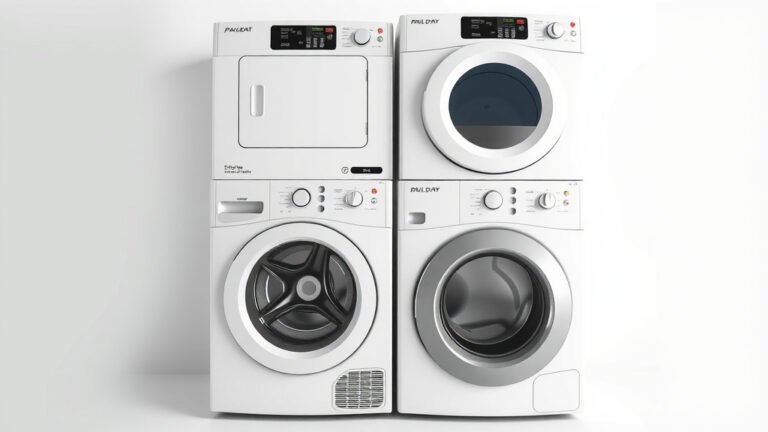
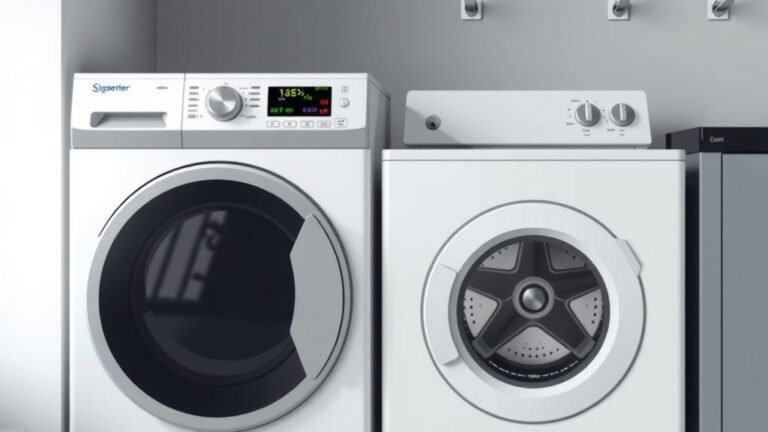
The best washer dryer set for you depends on your budget and needs, but many consumers find that high-efficiency models offer great performance and savings. Front-load machines generally provide a deeper clean and use less water than top-loaders, making them a popular choice. We’ve researched many options to help you find the perfect fit for your laundry room.
When choosing a set, consider factors like capacity, special cycles, and smart features. A larger capacity is ideal for families, while smaller households might prefer a more compact unit. Energy Star certification is also a smart indicator of long-term cost savings.
- Look for high-efficiency (HE) models.
- Consider your laundry load size for capacity.
- Check for Energy Star certification for savings.
- Front-loaders often offer a better clean than top-loaders.
Let’s walk through what to look for to ensure you get a washer and dryer set that will make laundry day a little less of a chore.
Choosing Your Ideal Washer and Dryer Pair
Finding the perfect washer and dryer set can feel like navigating a maze. But don’t worry, we’re here to help you spot the gems. We’ve looked into what makes a washer and dryer set a winner for many households. It’s about matching features to your lifestyle and budget. Let’s break down the key things to consider.
Understanding Washer Types and Their Benefits
When you start shopping, you’ll quickly notice two main types of washing machines: top-load and front-load. Both have their own fan bases and specific advantages.
The Appeal of Front-Load Washers
Front-load washers have become incredibly popular, and for good reason. They tend to be gentler on your clothes. This is because they tumble garments rather than using an agitator. Many people also find they get a deeper clean with a front-loader. Plus, they’re typically more water-efficient. This means lower utility bills over time. They also often have higher spin speeds. This extracts more water from your clothes before they hit the dryer. That can lead to shorter drying times.
Exploring Top-Load Washers
Top-load washers are the classic choice for many. They often come with a lower initial price tag. Loading laundry is easier for some people, as you don’t need to bend down as much. Recent advancements have brought us high-efficiency (HE) top-loaders. These use less water than older models. Some HE top-loaders use an impeller at the bottom. This is a low-profile cone or disc that spins and rubs clothes. It’s gentler than a traditional agitator.
Key Features to Look For in a Washer
Beyond the basic type, many features can make laundry day much easier. Think about what kind of loads you do most often.
Capacity Matters
How much laundry do you tackle weekly? If you have a large family, you’ll want a washer with a large capacity. These machines can handle bigger loads, meaning fewer cycles. For smaller households or apartments, a standard or compact model might be perfectly fine. We found that for a family of four, a 4.5 cubic foot capacity or larger is often recommended.
Specialized Wash Cycles
Do you often wash delicate items, heavy bedding, or athletic wear? Look for washers with specialized cycles. Options like “delicates,” “bulky items,” “sanitize,” or “quick wash” can be real lifesavers. A steam cycle can also help remove tough stains and allergens. It’s like giving your clothes a spa treatment!
Smart Technology
Many new washers come with smart features. You can often connect them to your smartphone via an app. This allows you to start, stop, or monitor cycles remotely. Some apps even send notifications when a load is finished. This can be super convenient if you’re busy around the house. Others can help diagnose problems.
Dryer Considerations for an Efficient Pair
Once your clothes are clean, the dryer takes over. Just like washers, dryers have features that can make a big difference.
Fuel Type: Gas vs. Electric
This is a primary decision. Electric dryers are more common in homes. They plug into a standard outlet. Gas dryers require a gas line connection. While the initial cost of a gas dryer might be higher, the operating cost is often lower. This is because natural gas is typically cheaper than electricity. Check what hookups you have available before deciding.
Capacity Matching
It’s important to match your dryer’s capacity to your washer’s. If you have a large-capacity washer, you’ll need a large-capacity dryer to match. Overloading a dryer can lead to uneven drying and wrinkles. It also makes the appliance work harder.
Sensor Drying
This is a feature we highly recommend. Sensor drying uses moisture sensors inside the drum. It automatically shuts off the dryer when clothes are dry. This prevents over-drying, which can damage fabrics and waste energy. Timed drying just guesses; sensor drying knows!
Steam Features in Dryers
Some dryers offer steam cycles. These can help reduce wrinkles and freshen clothes. They can be useful for refreshing items you’ve only worn once or twice. It’s a quick way to make them feel clean and crisp without a full wash.
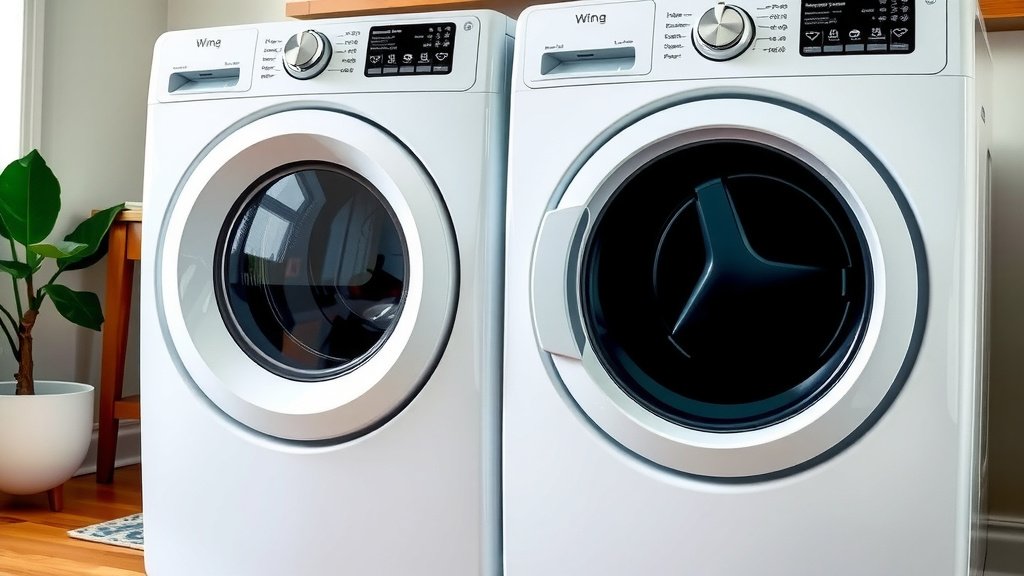
Energy Efficiency and Long-Term Savings
When selecting a washer and dryer set, think about the long-term costs. Energy Star certified appliances are designed to be more efficient.
An Energy Star certified washer uses less water and energy. This can lead to significant savings on your utility bills. According to Energy Star, certified clothes washers can save the average family nearly 700 gallons of water per year. Certified dryers also use less energy. Choosing Energy Star appliances is good for your wallet and the environment.
| Feature | Front-Load Pros | Top-Load Pros |
|---|---|---|
| Cleaning Performance | Excellent; gentler on clothes | Good; some HE models are very effective |
| Water Usage | Lower | Higher (traditional), Lower (HE models) |
| Energy Usage | Generally lower | Varies by model |
| Ergonomics | Requires bending | Easier to load (for some) |
| Cycle Time | Can be longer | Can be shorter (especially traditional) |
Making Your Final Choice: A Quick Checklist
Ready to pick the perfect pair? Here’s a little something to keep in mind as you shop:
- Capacity: Match it to your household size.
- Type: Front-load or HE top-load for efficiency.
- Cycles: Do you need special options?
- Energy Star: Look for the label for savings.
- Fuel Type (Dryer): Electric or gas?
- Budget: Set a realistic price range.
Conclusion
Choosing the best washer dryer set boils down to understanding your home’s needs. We’ve seen that high-efficiency front-loaders often provide a superior clean and save water. For those who prefer ease of loading or a lower upfront cost, HE top-loaders are a solid choice. Remember to match your dryer to your washer’s capacity and consider sensor drying for efficiency. By focusing on capacity, specialized cycles, energy ratings, and fuel type, you’re well on your way to finding a pair that makes laundry day easier. Now, take that checklist and start your search for the perfect laundry duo!
Frequently Asked Questions
How much does a good washer dryer set typically cost?
You can expect to spend anywhere from $1,500 to $3,000 or more for a quality washer and dryer set. High-end models with advanced smart features and larger capacities will naturally be at the higher end of this range. Setting a budget beforehand will help you narrow down your options effectively.
Are front-load washers really worth the extra cost?
For many, front-load washers are worth the investment due to their superior cleaning performance, gentler treatment of clothes, and significant water and energy savings over time. They also tend to have higher spin speeds, reducing drying time. While the initial cost might be higher, long-term savings can often offset this difference.
Can I mix and match brands for my washer and dryer?
Absolutely! You are not required to buy a matching set from the same brand. Focus on ensuring the capacities and essential features of your chosen washer and dryer complement each other. This approach can sometimes offer more flexibility and potentially better value.
What does “high-efficiency” (HE) mean for a washer?
High-efficiency (HE) washers use less water and energy compared to traditional models. They achieve this through different washing mechanisms, often involving less water and more advanced drum movements. You’ll typically see an “HE” symbol on the machine and detergent. Always use HE detergent with HE machines to prevent oversudsing.
Is a steam cycle in a dryer really necessary?
A steam cycle in a dryer is a convenient feature, but not strictly necessary for everyone. It’s excellent for refreshing clothes, reducing wrinkles, and de-wrinkling items without a full wash cycle. If you frequently need to quickly freshen up garments or deal with stubborn wrinkles, it can be a very useful addition.