

Standard Washer Dryer Size Guide
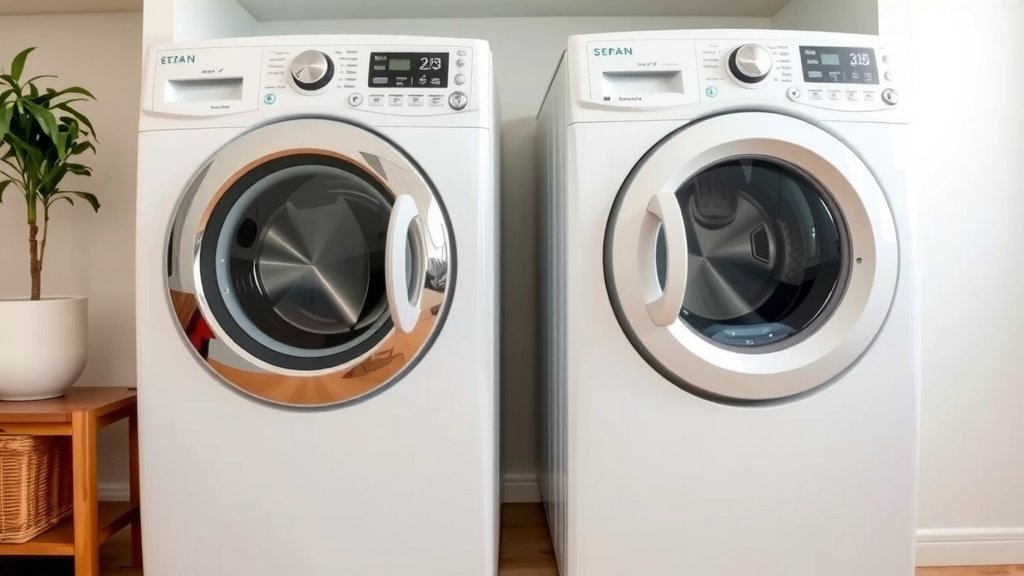
A standard size washer and dryer typically measures around 27 inches wide. These common dimensions fit into most laundry spaces. When you’re looking for new appliances, knowing these standard measurements is key to a smooth purchase.
While 27 inches is the most frequent width, washers and dryers can vary slightly. Some models might be a bit narrower or wider to offer different capacities. It’s wise to measure your space carefully before you buy, to avoid any surprises.
- Standard washers and dryers are usually 27 inches wide.
- This is the most common size for fitting into typical laundry rooms.
- Always measure your specific space before buying.
- Slight variations in width can exist between brands and models.
Let’s break down exactly what you can expect for standard washer and dryer sizes, and what you need to consider for your home.
“`htmlUnderstanding Common Washer and Dryer Dimensions
So, you’re thinking about a new washer and dryer? That’s exciting! Knowing the standard size is super important. It helps ensure your new machines will actually fit where you need them to go. We’ve found that most standard washing machines and dryers measure about 27 inches wide. This is the magic number for many homes across the US.
The Standard Width: Your Go-To Measurement
When we talk about “standard size,” we’re mainly talking about the width. For washers, this 27-inch width is very common. It’s designed to slide easily into typical laundry closets or alcoves. Many manufacturers stick close to this dimension. This makes shopping a bit easier for you.
Dryers usually match their washer counterparts in width. So, if you’re buying a set, expect the dryer to be around that 27-inch mark too. This consistency helps create a balanced look in your laundry space. It also simplifies the installation process. We found that most laundry rooms are built with this standard width in mind.
Beyond the Width: Height and Depth Considerations
While width is key, don’t forget about height and depth! These measurements are just as critical for a proper fit. A washer or dryer might be 27 inches wide, but too tall or too deep for its spot.
Typical Height Ranges
Most standard washers stand about 38 to 45 inches tall. Dryers are often a bit shorter, usually between 35 and 40 inches. Always measure the vertical space you have. You don’t want your new appliance bumping against the ceiling or overhead cabinets.
The Depth Factor
Depth is another measurement to watch closely. Standard washing machines typically range from 28 to 34 inches deep. Dryers are usually a little less deep, around 25 to 30 inches. Remember to account for the door swing. You need space for the door to open fully without hitting a wall or another appliance.
Allowing for Clearance
It’s not just about the appliance fitting snugly. You need a little breathing room. Experts often recommend leaving at least an inch or two of space around the sides and back of your machines. This helps with airflow and makes maintenance easier. For the dryer vent, you’ll need even more space. Check your manufacturer’s guidelines for specific clearance needs.
Navigating Different Washer and Dryer Types
The 27-inch width is the most common, but what if your space is a bit different? Or what if you need a larger capacity? Let’s look at some variations.
Compact or Apartment-Sized Units
If you live in a smaller home or apartment, you might encounter compact washers and dryers. These are designed for tight spaces. They are typically narrower, often around 24 inches wide. While they save space, they also have smaller capacities. These are great for individuals or couples who don’t do large loads.
Large Capacity and Commercial-Style Appliances
On the flip side, some families need more washing power. You can find larger capacity machines. These might be a bit wider, sometimes reaching 30 inches or more. Commercial-style machines, often found in multi-unit dwellings or very busy households, can also be larger. They offer greater capacity but require more floor space.
Understanding Capacity Ratings
Appliance capacity is usually measured in cubic feet. A standard washer might hold around 3.5 to 4.5 cubic feet. Larger models can go up to 5 cubic feet or more. For dryers, capacity is also in cubic feet, typically ranging from 6 to 8 cubic feet for standard models. Larger ones can exceed 9 cubic feet. Always match the capacity to your household’s laundry needs.
A Quick Comparison Table
To help you visualize, here’s a quick look at common dimensions. Remember, these are general guidelines, and actual measurements can vary by brand and model.
| Appliance Type | Standard Width (inches) | Typical Height (inches) | Typical Depth (inches) |
|---|---|---|---|
| Standard Washer | 27 | 38-45 | 28-34 |
| Standard Dryer | 27 | 35-40 | 25-30 |
| Compact Washer | 24 | 30-34 | 24-27 |
| Large Capacity Washer | 28-30+ | 38-45 | 30-36 |
Essential Checklist Before You Buy
Before you click “buy” or head to the store, make sure you’ve got these points covered. It’s like double-checking your shopping list!
- Measure Your Space: Get a tape measure and check the width, height, and depth of your laundry area.
- Account for Door Swing: Ensure there’s enough room for doors to open fully.
- Consider Venting Needs: Don’t forget space for dryer hoses and proper ventilation.
- Check Appliance Dimensions: Look at the specific model’s measurements, not just general standards.
- Factor in Delivery Access: Will the appliance fit through doorways and hallways on its way to the laundry room?
Conclusion
You’ve learned that a standard size washer and dryer typically measures around 27 inches wide, a common dimension designed for most homes. We’ve also seen that while width is the primary standard, you must consider height, depth, and necessary clearance for door swings and ventilation. Don’t forget to measure your specific space and account for delivery routes before making your purchase. Taking these measurements ensures your new laundry appliances fit perfectly and function safely.
Frequently Asked Questions
What is the most common width for a standard washer and dryer?
Research shows that the most common width for standard washing machines and dryers in the US is about 27 inches. This measurement is prevalent because it fits into the majority of built-in laundry spaces and closets.
Are dryer dimensions the same as washer dimensions?
Generally, dryers are designed to match their corresponding washer sizes. You’ll often find that a standard 27-inch wide washer will be paired with a dryer that is also approximately 27 inches wide for a cohesive set.
What if my laundry space is very small?
For tighter spaces, you’ll want to look for compact or apartment-sized units. These are typically narrower, often around 24 inches wide, and designed to fit into smaller closets or alcoves.
How much clearance do I need around my washer and dryer?
It’s recommended to leave at least an inch or two of space around the sides and back of your machines for proper airflow and maintenance. Dryers also require extra space for venting connections.
Do larger capacity washers and dryers come in different sizes?
Yes, large capacity models often come in wider dimensions. You might find these machines measuring 28 to 30 inches or more in width to accommodate bigger loads.

![7 Best Stackable Gas Dryer [In 2026]](https://homeunderstandable.com/wp-content/uploads/2026/09/7-best-stackable-gas-dryer-in-2026-featured-768x432.jpg)

![7 Best Washing Powder Or Liquid For Front Loader [In 2026]](https://homeunderstandable.com/wp-content/uploads/2026/09/7-best-washing-powder-or-liquid-for-front-loader-in-2026-featured-768x432.jpg)
![7 Best Apartment Washer Dryer Stackable [In 2026]](https://homeunderstandable.com/wp-content/uploads/2026/09/7-best-apartment-washer-dryer-stackable-in-2026-featured-768x432.jpg)