3 vs 6 Gallon Air Compressor: Which One is Right for You
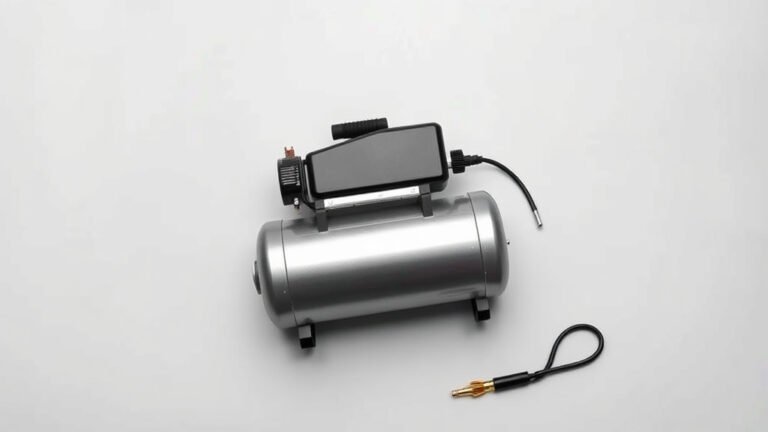
When choosing between a 3-gallon vs 6-gallon air compressor, think about your typical projects. A 3-gallon compressor is great for light tasks like inflating tires and powering brad nailers. A 6-gallon compressor offers more air storage, making it better for tools that use more air, like impact wrenches or framing nailers, and it can run longer between cycles.
The main difference boils down to air storage capacity and runtime. More gallons mean the compressor can hold more compressed air, reducing how often the motor has to kick on. This is a big deal if you’re using air-hungry tools or have tasks that take a while. We found that understanding your tool’s air needs is key.
- 3-gallon compressors are best for small jobs and portability.
- 6-gallon compressors handle bigger jobs with less interruption.
- Consider CFM (Cubic Feet per Minute) for tool compatibility.
- Your project type will determine the best fit.
Let’s break down which size will serve your workshop needs best, so you can stop worrying and start building (or inflating!).
Choosing the Right Air Compressor Size for Your Projects
Picking between a 3-gallon and a 6-gallon air compressor is a common question. The best choice really depends on what you plan to do with it. Think about the tools you’ll use and how often you’ll use them. We found that understanding your tool’s air demands is the most important step.
Understanding Air Compressor Capacity: Gallons and Runtime
The number of gallons on an air compressor refers to its tank size. This tank stores compressed air. A bigger tank means more air is ready to go when you need it. This affects how long your tools can run without the compressor motor having to start up again.
The Role of Tank Size
Imagine your compressor’s tank like a water bottle. A 3-gallon bottle holds less water than a 6-gallon bottle. When you use air from the tank, the pressure drops. The motor then kicks on to refill the tank. A larger tank means the pressure stays higher for longer. This allows you to use air-powered tools for extended periods.
Runtime: How Long Can You Work?
Runtime is how long your tool can operate before the compressor needs to replenish the air. For light tasks, a 3-gallon compressor might be enough. But if you’re doing a job that takes more than a few seconds, a 6-gallon compressor will give you a much better experience. We found that less frequent motor cycling means less noise and less wear on the compressor.
Gallon Size and Tool Compatibility: Matching Your Needs
The size of your air compressor tank directly impacts the types of tools you can reliably use. Some tools are “air hungry,” meaning they use a lot of air quickly. Others are more efficient. Matching your compressor to your tools prevents frustration and ensures your tools perform as they should.
When a 3-Gallon Compressor Shines
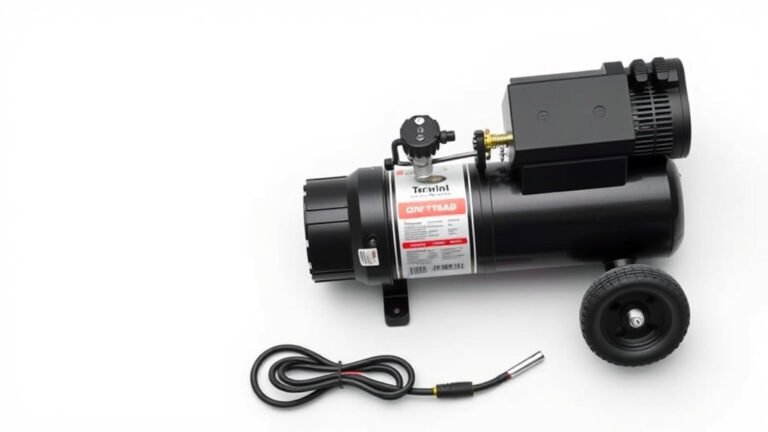
A 3-gallon air compressor is typically compact and easy to move around. It’s perfect for tasks that don’t demand a constant supply of air. This includes:
- Inflating car, bike, and sports equipment tires.
- Running small brad nailers or staple guns for trim work.
- Light-duty air brushing for crafts.
- Blowing dust and debris off surfaces.
These tasks are usually intermittent. You might use a burst of air, then wait, then use another burst. The 3-gallon tank can handle these short demands without constant motor cycling. Many find them ideal for DIY projects around the house.
Why a 6-Gallon Compressor is a Step Up
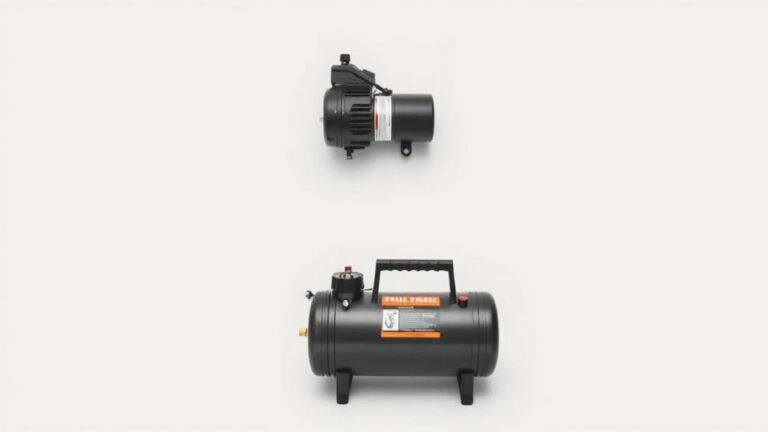
A 6-gallon air compressor offers a significant advantage in air storage. This extra capacity means longer runtimes and more power for demanding tools. It’s a better choice for jobs that require continuous airflow. Consider a 6-gallon for:
- Framing nailers used in construction or larger DIY builds.
- Impact wrenches for automotive work or assembling furniture.
- Air sanders or grinders that need a steady stream of air.
- Spray painting applications where consistent pressure is key.
If you have multiple air tools or a project that takes more than a few minutes, the 6-gallon will serve you much better. We found that the difference in user experience is quite noticeable for these types of jobs.
Beyond Gallons: What Else Matters? CFM and PSI
While tank size is important, it’s not the only factor. You also need to consider CFM and PSI. These specifications tell you how much air the compressor can deliver and at what pressure. They are vital for ensuring your tools will function correctly.
CFM: The Volume of Air
CFM stands for Cubic Feet per Minute. This measures the volume of air your compressor can deliver. Each air tool has a specific CFM requirement. You need a compressor that can meet or exceed this requirement. For example, a framing nailer might need 2.2 CFM at 90 PSI.
A 3-gallon compressor might have a lower CFM output than a 6-gallon model. Always check the CFM rating for both your tools and the compressor. We found that not matching CFM is a common mistake that leads to tool underperformance.
PSI: The Force of Air
PSI stands for Pounds per Square Inch. This is the measure of air pressure. Most air tools operate within a specific PSI range, often around 90 PSI. Both 3-gallon and 6-gallon compressors usually offer adjustable PSI settings. The key is that the compressor can *maintain* the required PSI while delivering the necessary CFM.
Comparing CFM and PSI for Common Tools
To help you visualize, here’s a general comparison. Keep in mind these are estimates, and your specific tools may vary.
| Tool Type | Typical CFM @ 90 PSI | Best Suited For (Gallon Size) |
|---|---|---|
| Brad/Finish Nailer | 0.5 – 1.5 CFM | 3-Gallon & 6-Gallon |
| Impact Wrench | 3.0 – 5.0 CFM | 6-Gallon (for continuous use) |
| Air Sander | 6.0 – 10.0+ CFM | Larger, stationary compressors (often > 6 gallons) |
| Spray Gun (HVLP) | 5.0 – 10.0+ CFM | Larger, stationary compressors (often > 6 gallons) |
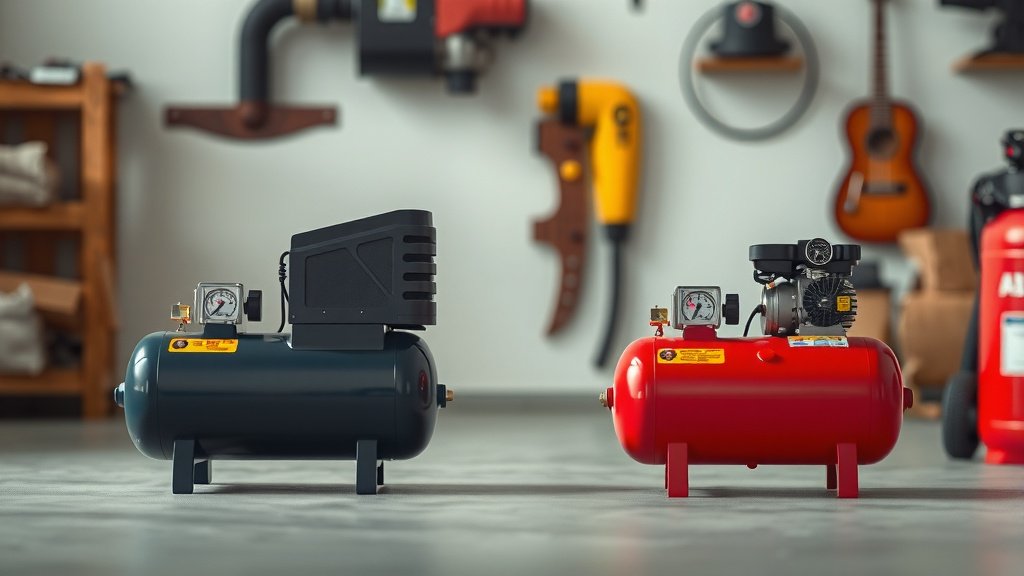
As you can see, tools requiring higher CFM are better suited for compressors with larger tanks and higher output. A 6-gallon unit can often handle intermittent use of higher CFM tools, but continuous, heavy-duty tasks might require even larger compressors.
Portability vs. Power: Where Will You Work?
Think about where you’ll be using your air compressor most often. This is a big factor in deciding between a 3-gallon and a 6-gallon model.
The Advantage of Portability
3-gallon compressors are generally lighter and more compact. This makes them easy to carry from room to room or take to different job sites. If your work involves moving around a lot or you have limited storage space, a 3-gallon unit is a solid choice. You’re not tied down to one spot.
The Trade-off for Stationary Use
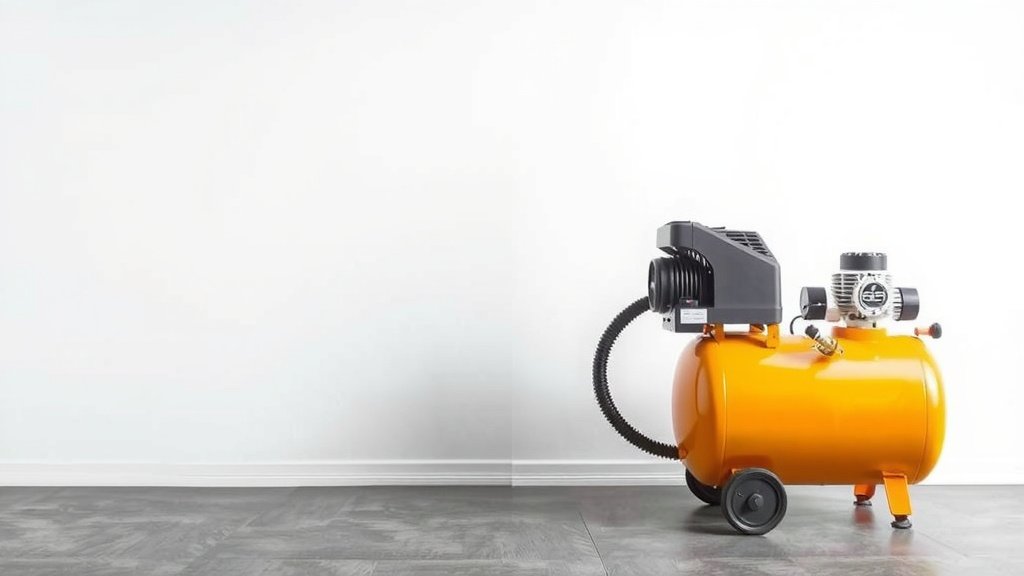
6-gallon compressors are typically a bit larger and heavier. While many still have wheels for easier transport, they aren’t quite as “grab-and-go.” However, this slight decrease in portability is often a worthwhile trade-off for the increased air supply. If your workshop is your primary location for projects, the extra capacity is usually more valuable than extreme portability.
Making Your Final Decision: A Quick Checklist
To wrap it all up, consider these points as you weigh your options. Asking yourself these questions can clarify your needs:
- What is the most air-intensive tool you plan to use regularly?
- How long do you typically need to run your air tools at one time?
- Do you need to move the compressor around a lot, or will it stay in one place?
- What is your budget for a new air compressor?
- Do you have the necessary electrical outlets and space for the compressor?
- How important is it for the compressor motor to run less often?
Answering these will guide you toward the right size. Remember, the goal is to find a compressor that meets your tool’s demands without constant interruption. We found that for most homeowners and DIYers, a 6-gallon compressor offers a good balance of capacity and manageability.
Conclusion
You’ve learned that your choice between a 3-gallon and a 6-gallon air compressor hinges on your projects. For quick tasks like tire inflation or brad nailing, a 3-gallon unit offers portability. If you’re tackling heavier jobs with tools like impact wrenches or sanders, the 6-gallon model’s increased air storage prevents interruptions. Remember to check your tools’ CFM and PSI needs against the compressor’s output. Your next step is to assess your most demanding tool and consider your workspace. This will ensure you pick the compressor that powers your projects efficiently and keeps you working without frustration.
Frequently Asked Questions
Can I use a 3-gallon air compressor for impact wrenches?
You can use a 3-gallon air compressor for some impact wrenches, but it’s often not ideal for continuous use. Impact wrenches can be very air-hungry, and a 3-gallon tank will likely deplete quickly, causing the compressor to cycle on and off frequently. For sustained impact wrench use, a 6-gallon or larger compressor is usually a better fit.
Will a 6-gallon air compressor be too noisy for my garage?
While a 6-gallon compressor will make noise when its motor runs, it often cycles less frequently than a smaller unit. This means less overall noise disturbance during your projects. Many 6-gallon models are also designed with noise reduction in mind, and you can further minimize sound by placing it on an anti-vibration mat.
What does CFM really mean for my tools?
CFM, or Cubic Feet per Minute, measures the volume of air your compressor can supply. Your tools have specific CFM requirements to operate effectively. If your compressor’s CFM output is lower than what your tool needs, the tool will likely perform poorly, sputter, or not work at all. Always match your compressor’s CFM rating to your tool’s demands.
How do I know if I need more than 6 gallons?
If you plan to use tools that continuously consume large amounts of air, like large air sanders, grinders, or paint sprayers for extended periods, you might need more than 6 gallons. We found that jobs requiring over 5-10 CFM for more than a minute or two often benefit from compressors with 10-gallon tanks or larger, especially for professional or very demanding DIY work.
Are 3-gallon compressors good for DIY projects around the house?
Yes, 3-gallon compressors are excellent for many DIY projects around the house. They are perfect for tasks that use air intermittently, such as powering a brad nailer for trim, inflating tires, or cleaning dust with an air blower. Their portability also makes them easy to move from your garage to different areas of your home for various small jobs.