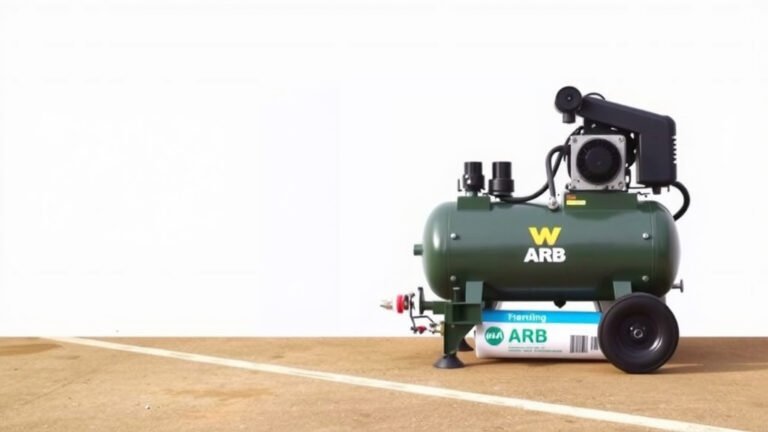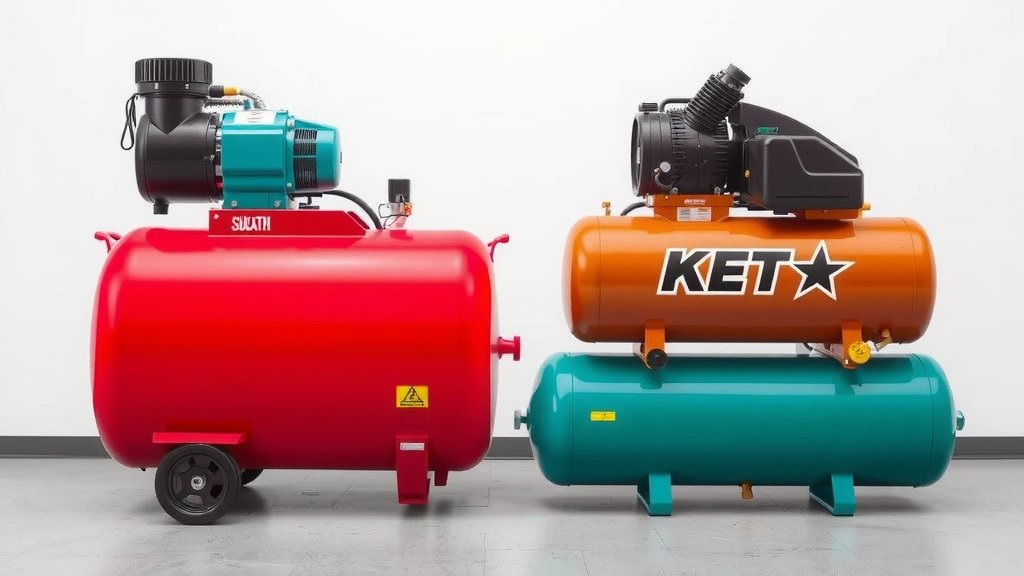
20 vs 30 Gallon Air Compressor: Which is Right for You
When deciding between a 20-gallon and 30-gallon air compressor For smaller projects, consider a 1-gallon vs 2-gallon air compressor guide., think about your air tool needs. A 30-gallon compressor offers more sustained airflow and can handle tougher jobs longer than a 20-gallon model. This means less waiting for the tank to refill during continuous use.
Choosing the right size impacts your project’s efficiency. A larger tank on a 30-gallon unit provides a buffer, preventing the motor from cycling as often. This can lead to longer tool life and a more consistent experience, especially for tasks requiring steady pressure, like painting or running multiple tools.
- 30-gallon: Better for continuous use, larger projects, and multiple tools.
- 20-gallon: Good for intermittent use and smaller DIY tasks.
- Consider your most demanding tool.
- Think about how often you’ll need to refill.
Let’s dive into the specific differences to help you pick the perfect compressor for your garage or workshop.
“`htmlChoosing the Right Air Compressor Size for Your Projects
When you’re looking at air compressors, the tank size is a big deal. You’re probably wondering if a 20-gallon or a 30-gallon model is the better fit for your garage. It really comes down to what you plan to do with it. Think of the tank like a water balloon; a bigger balloon holds more air and lets you use your air tools for longer before needing a refill.
A 30-gallon compressor offers a significant advantage for continuous work. It can supply air to your tools longer. This means fewer interruptions. You’ll spend more time working and less time waiting for the compressor to catch up. This is especially helpful for those longer DIY sessions.
Understanding Airflow: CFM Matters
Beyond just tank size, you need to think about CFM, or cubic feet per minute. This tells you how much air the compressor can deliver. Every air tool has a CFM requirement. Your compressor needs to meet or exceed that number.
A larger tank often means a compressor can keep up with higher CFM demands for a longer period. It’s not just about how much air you have, but how quickly you can use it. If your tools need a lot of air, a bigger tank helps maintain that flow.
Matching CFM to Your Tools
Let’s break this down. For many DIYers, a 20-gallon compressor might be enough. It’s great for tasks like topping off tires, using brad nailers for trim work, or small air ratchets. These tools don’t use air constantly. They use short bursts.
On the other hand, a 30-gallon compressor is better suited for tools that are air-hungry. Think impact wrenches for automotive work, die grinders, or sanders. These tools run for longer periods and require a steady stream of compressed air. A 30-gallon tank provides that reserve.
Impact Wrenches and Sanders: High Demand Tools
Tools like impact wrenches can use a lot of air quickly. If you’re working on a car and need to remove multiple lug nuts, you don’t want your compressor running out of air. A 30-gallon tank helps ensure you have enough power for these demanding tasks. You’ll experience less frustration.
Similarly, sanders, especially orbital or belt sanders, continuously pull air. If you’re sanding a deck or a piece of furniture, a larger tank is your friend. It keeps the tool running at its best. This makes your sanding job much more efficient and less tiring.
Painting and Spraying: A Continuous Need for Air
If your goal is painting, the size of your compressor becomes even more critical. Spray guns, whether for automotive paint or house projects, require a consistent, clean air supply. A small compressor might struggle to keep up. You could end up with an uneven finish.
A 30-gallon compressor generally offers a better experience for painting. It can supply the steady airflow needed for a smooth, professional-looking coat. You’ll have fewer stops to let the tank refill. This helps prevent those frustrating drips and runs. Many experts suggest a minimum CFM for spray painting, and larger tanks often support this better (National Air Tool Association).
Portability and Space Considerations
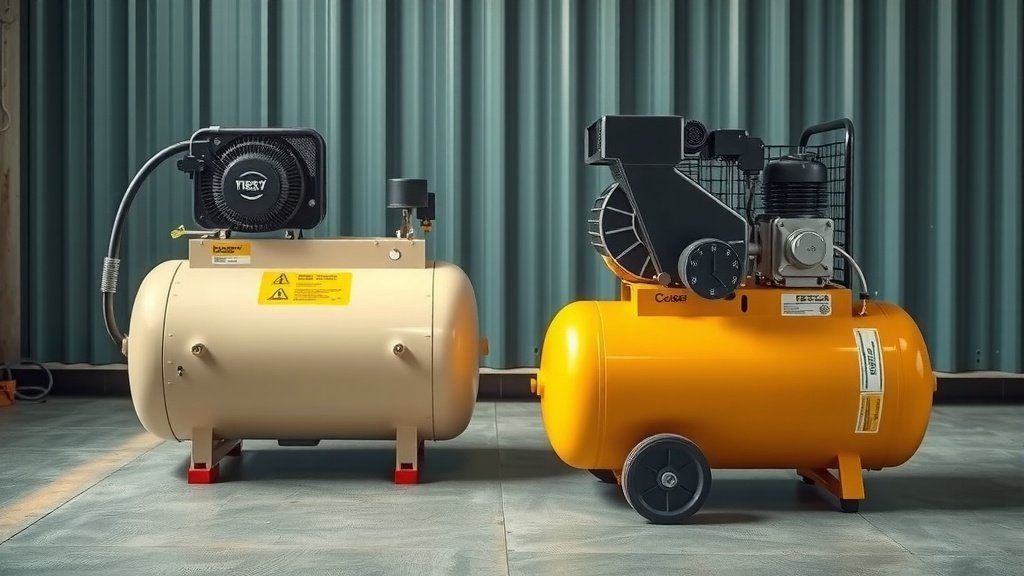
One of the first things you’ll notice is the size difference. A 20-gallon air compressor is typically more compact. It often has wheels, making it relatively easy to move around your garage or even take to a job site. They are designed for convenience.
A 30-gallon air compressor is larger and heavier. While it usually has wheels too, moving it might require a bit more effort. You’ll need to plan where you’re going to store it. These units are often best suited for a dedicated spot in your workshop.
Where Will You Keep It?
Think about the footprint. A 20-gallon compressor might fit neatly into a corner. A 30-gallon unit will take up more floor space. Consider the height as well. Some models are taller than others.
If you have a smaller garage or limited space, a 20-gallon model might be the more practical choice. It won’t dominate your workspace. If you have a dedicated workshop or ample garage space, a 30-gallon unit can be a great addition without being overwhelming.
Powering Your Compressor: What to Expect
Both 20-gallon and 30-gallon compressors typically run on standard household 120-volt outlets. This is convenient for most DIYers. You don’t need special electrical work. Just plug it into a grounded outlet.
However, be mindful of the amperage draw. Larger compressors, especially those with bigger motors, can draw more power. Make sure your circuit can handle it. You don’t want to trip a breaker mid-project. Always check the compressor’s specifications for its power requirements.
Motor Size and Durability
The motor is the heart of your air compressor. A 30-gallon compressor usually has a larger, more powerful motor. This allows it to fill the bigger tank more efficiently. It also helps it maintain pressure under load.
Many experts say that a larger motor can also contribute to the longevity of the compressor. It may not have to work as hard to maintain the desired pressure. This can lead to less wear and tear over time. Think of it like your car engine; a bigger engine running at a lower RPM for the same task might last longer than a smaller one pushed to its limit (Automotive Engineering Journal).
Noise Levels: A Factor to Consider
Air compressors can be noisy. This is true for both 20-gallon and 30-gallon models. However, larger compressors sometimes have designs that can mitigate noise. They might have better sound dampening.
If noise is a major concern, look for models that specifically advertise quiet operation. Some newer compressors are much quieter than older ones. Reading reviews can give you a good idea of what to expect in terms of decibel levels. Protecting your hearing is always a good idea, regardless of the compressor size.
The Cost Difference
Generally, a 30-gallon air compressor will cost more than a 20-gallon model. This is due to the larger tank, more powerful motor, and overall construction. You’re investing in more capability.
Think about your budget and your long-term needs. If you’re a weekend warrior doing light DIY, a 20-gallon might save you money upfront. If you plan on doing heavier-duty projects or want a compressor that can grow with your needs, the extra cost of a 30-gallon might be well worth it in the long run.
Checklist for Your Decision
To help you decide, ask yourself these questions:
- What air tools do I use most often?
- What is the highest CFM requirement for any of my tools?
- How much space do I have for a compressor?
- Will I be using the compressor for continuous tasks like painting?
- Do I need to move the compressor around frequently?
- What is my budget for this purchase?
| Feature | 20-Gallon Compressor | 30-Gallon Compressor |
|---|---|---|
| Best For | Intermittent use, smaller DIY tasks, brad nailers, topping off tires | Continuous use, heavier-duty tasks, painting, automotive work, sanders |
| Airflow Reserve | Moderate | Higher |
| Portability | Generally easier to move | Can be heavier, less portable |
| Cost | Typically lower upfront cost | Typically higher upfront cost |
| Space Needed | Smaller footprint | Larger footprint |
Conclusion
You’ve seen how 20-gallon and 30-gallon air compressors stack up. For lighter DIY tasks and tools that use air in short bursts, a 20-gallon unit often fits the bill. If you tackle bigger projects, paint often, or use high-demand tools like impact wrenches, the extra capacity of a 30-gallon compressor will serve you much better. Consider your most demanding tool’s CFM needs and how much continuous run time you require. Make your choice based on these factors and you’ll have a compressor that truly works for you.
Frequently Asked Questions
What’s the biggest difference between a 20-gallon and 30-gallon air compressor?
The main difference is tank size and the resulting air reserve. A 30-gallon compressor holds more compressed air, allowing for longer run times for air tools before needing to refill. This makes it better for continuous use tasks.
Can a 20-gallon compressor handle painting?
A 20-gallon compressor can struggle with continuous painting tasks. Spray guns require a steady airflow, and a smaller tank might not keep up, leading to inconsistent finishes. A 30-gallon unit generally provides a more reliable experience for painting.
Which size is better for automotive work like using an impact wrench?
For automotive work, especially with tools like impact wrenches that use a lot of air quickly, a 30-gallon compressor is usually the better choice. Its larger reserve ensures you have enough sustained power for multiple lug nuts or other demanding jobs.
Do 30-gallon compressors take up a lot more space?
Yes, a 30-gallon compressor is physically larger and heavier than a 20-gallon model. While both typically have wheels, the 30-gallon unit will require a more dedicated space in your workshop or garage due to its larger footprint.
Are 30-gallon compressors much louder than 20-gallon ones?
Noise levels can vary by model for both sizes. However, larger compressors sometimes have more robust designs that may include better sound dampening. It’s best to check specific product reviews for noise ratings if quiet operation is a priority for you.