How an Air Compressor Pressure Switch Works
An air compressor pressure switch is a simple device that automatically turns your compressor’s motor on and off. It monitors the air pressure inside your tank. When the pressure drops too low, it kicks the motor on. When the pressure reaches the set limit, it shuts the motor off.
Think of it as the brain of your compressor. This switch ensures you always have air ready when you need it. It also prevents the motor from overheating by not letting it run constantly. Understanding how it works can help you maintain your equipment better.
- The pressure switch controls the compressor motor.
- It turns the motor on when pressure is low.
- It turns the motor off when pressure is high.
- This protects the motor and ensures air supply.
Let’s walk through exactly how this smart little gadget keeps your air compressor running smoothly.
“`htmlUnderstanding Your Air Compressor’s Pressure Switch
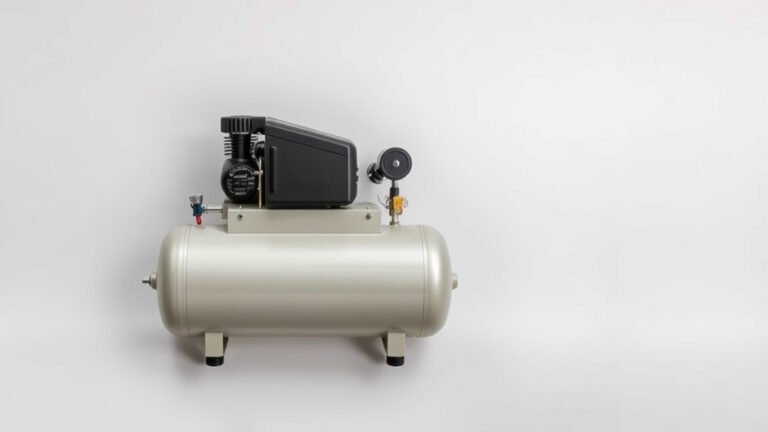
The air compressor pressure switch is a vital component. It acts like an automatic guardian for your air compressor. This switch decides when your compressor’s motor needs to run. It also decides when it’s time for a rest. You’ll find it usually mounted right on the air tank. It often looks like a small box with several wires and a large lever or knob.
The Pressure Switch: Your Compressor’s Thermostat
Think of your pressure switch like the thermostat in your house. Your home thermostat senses the room temperature. It turns your heating or cooling system on and off as needed. Your pressure switch does a similar job, but with air pressure instead of temperature. It’s a simple yet effective control system.
How It Senses Pressure
Inside the switch, there’s a diaphragm. This is a flexible, rubbery disc. Air from your compressor tank pushes against this diaphragm. As the air pressure builds, it forces the diaphragm upwards. When the pressure drops, a spring inside the switch pushes the diaphragm back down.
Making and Breaking the Circuit
This diaphragm’s movement is key. It’s connected to a set of electrical contacts. When the diaphragm moves down (low pressure), it closes these contacts. This completes an electrical circuit. That circuit powers the compressor motor, making it start. When the diaphragm moves up (high pressure), it pulls away from the contacts. This breaks the circuit. The motor then shuts off.
Key Settings: Cut-In and Cut-Out Pressure
Every pressure switch has two main settings. These are the cut-in pressure and the cut-out pressure. You can usually adjust these. They are often labeled. The cut-in pressure is the point where the switch turns the motor ON. The cut-out pressure is when it turns the motor OFF.
Understanding Cut-In Pressure
Let’s say your compressor tank is almost empty. The pressure is low. When the pressure drops to the cut-in setting, the switch makes contact. The motor starts running. It begins pumping more air into the tank. This is essential for ensuring you always have compressed air available. Many common tools require a consistent supply.
Understanding Cut-Out Pressure
As the compressor runs, it fills the tank with air. The pressure inside the tank rises. When the pressure reaches the cut-out setting, the diaphragm is pushed up. It disconnects the electrical contacts. This stops the motor. It prevents the tank from over-pressurizing. This is a critical safety feature.
The Difference is Important
The difference between the cut-out and cut-in pressures is called the cut-out differential. A typical setting might be a cut-out of 120 PSI and a cut-in of 90 PSI. The differential here is 30 PSI. This gap ensures the motor doesn’t cycle on and off too frequently. Constant starting and stopping can wear out the motor and the switch itself.
What Else Does the Switch Do?
Besides controlling the motor, the pressure switch plays other roles. It helps protect your equipment. It also helps manage your air supply.
Preventing Over-Pressurization
The cut-out pressure setting is a safety limit. It stops the motor before the tank reaches a dangerously high pressure. Most tanks are rated for a maximum pressure. Exceeding this can lead to tank failure. This is a serious risk. The pressure switch is your first line of defense here. Many units also have a separate safety relief valve for extra protection.
Protecting the Motor
Running a motor constantly without breaks can cause it to overheat. The pressure switch ensures the motor gets downtime. This helps prevent motor damage from excessive heat. It allows components to cool. This extends the overall lifespan of your compressor.
The Unloader Valve Connection
Many air compressors have an unloader valve. This valve is often connected to the pressure switch. When the switch shuts off the motor, it also signals the unloader valve. The unloader valve then vents any trapped air from the pump head. This reduces the pressure on the pump’s internal parts. It makes restarting the compressor much easier. Without this, the motor would have to overcome the full tank pressure to start again. That’s a much harder job!
Checking and Adjusting Your Pressure Switch
Sometimes, you might need to adjust your pressure switch settings. This could be due to changing needs or if the switch isn’t performing correctly. Always disconnect power before touching any electrical components. Check your owner’s manual for specific instructions.
Here’s a quick checklist for understanding your switch:
- Confirm the switch is clean and free from debris.
- Identify the cut-in and cut-out pressure settings.
- Ensure the differential is adequate (not too small).
- Verify the unloader valve is functioning correctly with the switch.
- If adjusting, make small changes and test thoroughly.
- Always prioritize safety and disconnect power first.
Many experts recommend a regular inspection of your pressure switch. This includes checking for any signs of wear or damage. For example, research suggests that checking electrical connections annually can prevent issues (OSHA).
Understanding these basic functions will help you appreciate how your air compressor works. It also helps you troubleshoot minor issues. A well-functioning pressure switch means a reliable air supply for all your projects.
“`
Conclusion
You’ve now seen how your air compressor’s pressure switch acts as its automatic brain. It cleverly uses a diaphragm and electrical contacts to manage the motor. By monitoring air pressure, it ensures you have air when you need it and protects your equipment. Understanding the cut-in and cut-out pressures, and the differential, is key to efficient operation. Remember, a well-maintained pressure switch means a longer life for your compressor and reliable performance for your projects. Take a moment this week to visually inspect your switch and ensure it’s clean and securely mounted.
Frequently Asked Questions
How can I tell if my pressure switch is failing?
You might notice your compressor cycling on and off much more frequently than usual, or conversely, not turning on at all. Another sign is if the compressor runs constantly and never shuts off, which is a serious safety concern. Listen for any unusual clicking or grinding sounds coming from the switch itself when it operates.
Can I adjust the pressure switch settings myself?
Yes, most pressure switches are adjustable, but you must always disconnect power before attempting any adjustments. Consult your owner’s manual for specific instructions, as improper adjustments can lead to unsafe operating pressures or damage to your compressor. Make small, incremental changes and test the system thoroughly.
What is the unloader valve, and how does it relate to the pressure switch?
The unloader valve is typically connected to the pressure switch. When the pressure switch signals the motor to stop, it also tells the unloader valve to release trapped air from the pump head. This makes it much easier for the motor to restart without having to overcome the full tank pressure.
Why is the differential pressure important?
The differential pressure, or the gap between the cut-in and cut-out settings, prevents the motor from starting and stopping too rapidly. Frequent cycling can cause excessive wear on the motor and the switch itself. A proper differential ensures smooth operation and extends the lifespan of your compressor’s components.
Are there different types of air compressor pressure switches?
While the basic function is the same, pressure switches can vary in their design and features. Some may include built-in electrical components like an overload relay or a manual unloader valve. The physical size and mounting configurations can also differ depending on the compressor manufacturer and model.