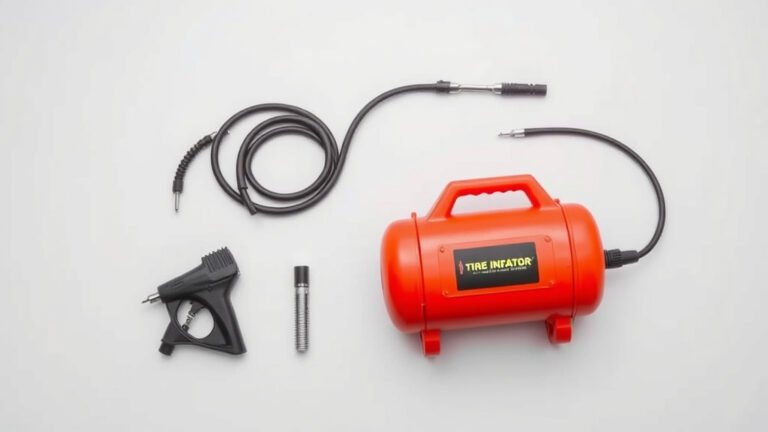
Boost Air Compressor Efficiency: Top Tips
Improving air compressor efficiency is quite simple when you know where to look. You can make your air compressor run better by checking for leaks, ensuring it’s properly maintained, and using the right settings. Getting your air compressor to work its best means saving energy and money.
Many people overlook the simple things that can impact their air compressor’s performance. A well-tuned compressor can save you a lot on electricity bills. We found that regular maintenance is key to keeping things running smoothly. Think of it like taking care of your car; small fixes prevent big problems and keep it efficient.
- Fix air leaks promptly.
- Keep your compressor clean and cool.
- Use the correct pressure settings.
- Schedule regular maintenance checks.
- Ensure proper air intake filtration.
Let’s walk through exactly how to boost your air compressor’s efficiency step by step.
Keeping Your Air Compressor Running Smoothly
An air compressor is a workhorse. You rely on it for so many tasks. Keeping it running at its best saves you time and money. We’ve researched the most effective ways to boost its efficiency. Many of these are simple checks you can do yourself. Think of your compressor like a car engine; a little tune-up goes a long way.
Fixing Those Pesky Air Leaks
Air leaks are the biggest energy drain for any compressed air system. It’s like trying to fill a bucket with a hole in it. You’re constantly losing precious air. Finding and fixing these leaks is your top priority for efficiency.
How to Detect Leaks
The easiest way is with soapy water. You spray it on hoses, fittings, and connections. If you see bubbles forming, you’ve found a leak. Smaller leaks might need a more sensitive detector. You can buy specialized ultrasonic leak detectors. These devices hear the high-frequency sounds that escaping air makes. We found that even a tiny leak can waste a lot of energy over time (US Department of Energy).
Repairing Leaks
Once you find a leak, fix it right away. Tighten loose fittings. Replace worn-out seals or hoses. Sometimes a simple O-ring is all that’s needed. Don’t let small leaks become big problems. This is a critical step in maintaining efficiency.
The Importance of Proper Maintenance
Regular maintenance keeps your compressor running like new. It prevents small issues from becoming major breakdowns. Think of it as preventative care for your equipment. Many experts suggest a routine schedule for this. Regular maintenance keeps your compressor running like new; learn how often to drain your air compressor.
Scheduled Inspections
Create a checklist for your maintenance tasks. Inspect belts for wear and tension. Check oil levels and quality. Look for any unusual noises or vibrations. These are all signs that something might be wrong. Addressing them early saves you from costly repairs later.
Cleaning Your Compressor
A clean compressor works better. Dust and debris can clog air filters and vents. This makes the compressor work harder to cool itself. Keep the area around your compressor clean. Wipe down the exterior regularly. This simple act helps maintain good airflow.
Optimizing Air Pressure Settings
Running your compressor at a higher pressure than needed wastes energy. Each 2 PSI increase above your requirement can add about 1% to your energy costs. That adds up quickly! You only need enough pressure for your tools to function correctly.
Determining Your Needs
Talk to the manufacturers of your pneumatic tools. They usually provide the recommended operating pressure. Check your system’s pressure gauge. Adjust the pressure regulator down to the lowest setting that still allows your tools to perform. Many people set it too high “just in case.” This is a major efficiency killer.
Using Pressure Regulators
Pressure regulators are vital. They ensure you deliver the correct pressure to each tool or workstation. They also help maintain a consistent pressure, even if the main compressor output fluctuates. Make sure your regulators are functioning correctly.
Ensuring Proper Air Intake and Filtration
Your compressor needs clean air to breathe. Dirty air can damage internal components. It also makes the compressor work harder.
Air Filter Maintenance
The air intake filter is your compressor’s lungs. If it’s clogged, the compressor struggles to draw in air. This reduces its output and increases energy consumption. We found that cleaning or replacing the air filter regularly is a simple yet powerful way to improve efficiency.
Filter Replacement Schedule
Check your air filter often. How often depends on your environment. Dusty workshops need more frequent checks. If the filter looks dirty, replace it. Many manufacturers recommend a schedule, but visual inspection is best. A clean filter means your compressor can breathe easy.
Cooling Your Compressor Efficiently
Heat is the enemy of efficiency. Compressors generate a lot of heat. If this heat isn’t dissipated properly, performance suffers. Overheating can also shorten the life of your compressor.
Airflow Around the Unit
Ensure there’s plenty of space around your compressor. Don’t store materials or block vents. Good ventilation allows the cooling system to work effectively. If your compressor is in an enclosed space, consider adding a fan or improving ventilation. This helps prevent overheating.
Cooling System Checks
Some compressors have specific cooling systems, like radiators or fans. Inspect these regularly. Clean out any dust or debris that might be blocking airflow. A well-maintained cooling system is essential for optimal performance.
Using the Right Compressor for the Job
Sometimes, efficiency issues stem from using the wrong equipment. A compressor that’s too small will run constantly. One that’s too large cycles on and off too frequently, which is also inefficient.
Matching Compressor Size to Demand
Assess your typical air usage. How many tools do you run at once? What are their CFM (cubic feet per minute) requirements? Choose a compressor that meets your peak demand with some buffer. Avoid oversizing, as it leads to wasted energy. Many sources suggest you should aim for the compressor to run about 60-70% of the time under normal load.
Considering Compressor Type
Different types of compressors have different efficiency profiles. Rotary screw compressors are generally more efficient for continuous, high-volume use. Reciprocating compressors can be good for intermittent, lower-volume needs. Understanding these differences can guide your choice.
Regularly Monitor Your System
Don’t just set it and forget it. Keep an eye on your compressor’s performance. Listen for changes in sound. Watch the pressure gauge. Pay attention to how quickly it builds pressure. Early detection of issues is key.
Record Keeping
Keep a log of maintenance performed. Note any repairs or adjustments. This history can help you spot recurring problems. It also helps you track your compressor’s overall health. We found that consistent monitoring helps maintain peak operational efficiency.
Your Air Compressor Efficiency Checklist
Here’s a quick rundown to keep your compressor running at its best:
- Check for leaks regularly using soapy water.
- Clean or replace air intake filters as needed.
- Verify pressure settings against tool requirements.
- Ensure adequate ventilation around the unit.
- Inspect belts and oil for wear and tear.
- Listen for unusual noises that may indicate problems.
Conclusion
You’ve learned that boosting your air compressor’s efficiency is all about smart, simple habits. Fixing leaks, staying on top of maintenance, and using the right pressure settings are your biggest allies. These aren’t complicated fixes; they’re practical steps you can take right now. By consistently checking for air leaks and cleaning those filters, you’re actively saving energy and money. Make it a habit to listen to your compressor and watch its gauges. Start with a simple leak detection check this week, and you’ll be well on your way to a more efficient operation.
Frequently Asked Questions
How often should I check for air leaks?
It’s best to check for air leaks at least once a month. For busy workshops or older systems, a weekly check can be even better. Think of it like checking your tire pressure; a little often prevents bigger issues.
Can a dirty air filter really impact efficiency that much?
Yes, a clogged air filter makes your compressor work much harder to draw in air. We found that this can significantly increase energy consumption. Regularly cleaning or replacing your air filter is one of the easiest ways to boost performance.
What’s the easiest way to detect air leaks without special tools?
The easiest method is using soapy water. Mix some dish soap with water in a spray bottle and apply it to fittings, hoses, and connections. If you see bubbles forming, you’ve found a leak. This simple test is very effective.
Is it okay to run my compressor at a higher pressure than my tools need?
No, running your compressor at higher pressure than required is a major energy waste. For every 2 PSI you run higher than needed, you can waste about 1% more in energy costs. Always set your pressure regulator to the minimum needed for your tools.
What’s the best way to ensure my compressor stays cool?
Keep the area around your compressor clear of obstructions to ensure good airflow. Regularly clean dust and debris from the unit, especially around vents and cooling fins. Proper ventilation is key to preventing overheating and maintaining efficiency.