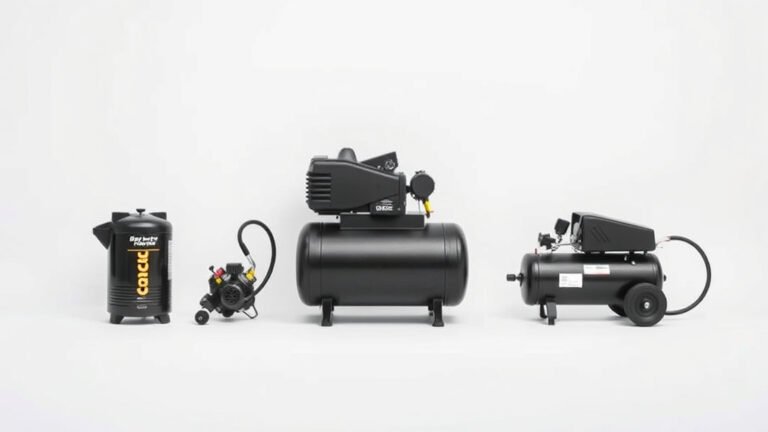
Air Compressor Regulator: How It Works Explained
An air compressor regulator controls and stabilizes the air pressure coming from your compressor. It ensures you get a consistent and safe output pressure for your tools. This prevents over-pressurization, which can damage your equipment and create hazards.
Think of it like the pressure valve on your water hose. Without it, you might get a sudden blast of water! A regulator is essential for precise air delivery and helps you avoid unexpected surges. We found that many users overlook its importance, leading to tool wear.
- Regulators keep air pressure steady.
- They protect your air tools from damage.
- Setting the right pressure is key for efficiency.
- It’s a simple device, but very important.
Let’s walk through exactly how this handy device works to keep your tools happy and your projects moving smoothly.
“`htmlUnderstanding How an Air Compressor Regulator Works
So, how does this little gadget actually manage your air pressure? It’s a pretty clever system. An air compressor regulator uses a few key components working together. This ensures you get the exact pressure you need for your specific task. Let’s break down its magic. Understanding the difference between a 1-cylinder vs 2-cylinder air compressor can help you choose the right compressor to pair with your regulator.
The Main Components of a Regulator
At its core, a regulator has three main parts. These are the inlet, the outlet, and the valve mechanism. The inlet connects to your compressor’s air tank. The outlet is where your air hose attaches. The valve mechanism is where all the control happens.
The Diaphragm: The Heart of Control
The most important part is the diaphragm. This is a flexible rubber or plastic disc. It separates the incoming air pressure from a spring mechanism. When air pressure pushes on one side, it moves the diaphragm. This movement is what controls the valve.
The Spring: Providing the Counter-Force
A spring sits on the other side of the diaphragm. You adjust the regulator’s knob to compress or decompress this spring. A tighter spring means more force pushing down. This requires higher air pressure to balance it. A looser spring means less force. Lower air pressure can then overcome it.
The Valve Seat and Plunger: Regulating Flow
A plunger or a valve stem is connected to the diaphragm. It sits against a valve seat. When the diaphragm moves, it pushes the plunger away from or pulls it closer to the seat. This opens or closes the passageway for air to flow from the inlet to the outlet. It’s like a tiny gatekeeper for your air supply.
The Step-by-Step Process: From Tank to Tool
Let’s imagine you just turned on your air compressor. The tank starts filling with high-pressure air. You then connect your air hose to the regulator’s outlet. You set your desired pressure using the adjustment knob.
Setting the Desired Pressure
When you turn the adjustment knob, you’re changing how much the spring is compressed. Let’s say you want 90 PSI. You tighten the spring until it exerts a force equivalent to 90 PSI pushing down on the diaphragm. This is your target pressure.
Air Enters the Regulator
Now, high-pressure air from your compressor tank flows into the regulator’s inlet. This air pushes against the underside of the diaphragm. As long as the tank pressure is higher than your set spring pressure, the air will start to lift the diaphragm.
Opening the Valve
As the diaphragm lifts, it pulls the plunger away from the valve seat. This opens a small passage. Now, air can flow from the high-pressure inlet side to the low-pressure outlet side. This is where your air hose is connected.
Maintaining Steady Output Pressure
Here’s the clever part. As air flows out to your tool, the pressure on the outlet side tries to drop. But the higher pressure from the tank is still pushing up on the diaphragm. The spring is also pushing down. The diaphragm finds a balance point. It holds the valve open just enough to keep the outlet pressure at your set level. It constantly adjusts itself. This maintains a steady flow of air.
What Happens When Pressure Exceeds the Setting?
If the tank pressure were to surge or the spring tension was accidentally set too high, the air pressure pushing up on the diaphragm would become greater than the spring’s force. The diaphragm would push the plunger harder against the valve seat. This would restrict or even stop the flow of air. This prevents over-pressurization of your tools and hoses. It’s a safety feature built into the design.
The Role of the Vent Hole
You might notice a small hole on the side or top of many regulators. This is the vent hole. It’s usually connected to the spring side of the diaphragm. When the regulator is operating, this hole lets out any tiny amount of air that might leak past the diaphragm or valve. It also helps the diaphragm respond accurately to pressure changes. Some regulators might have a relief valve connected to this. If the outlet pressure gets too high, this relief valve will vent air to prevent dangerous situations. It’s a small detail that adds a layer of safety and precision.
Why Your Regulator Needs to Be in Good Shape
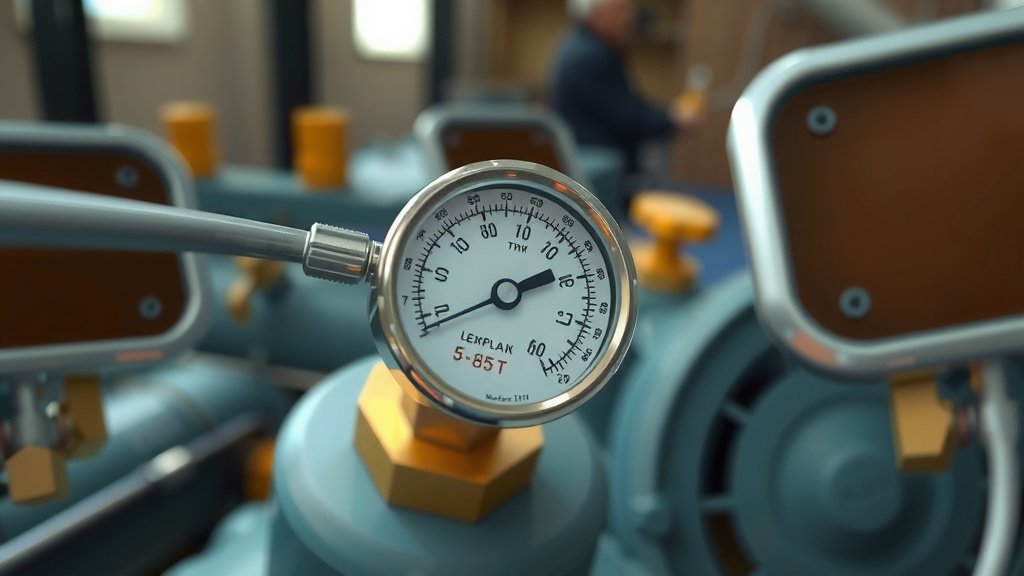
Think about what happens if your regulator isn’t working correctly. If it leaks, you lose air pressure. This means your tools won’t perform as expected. If it doesn’t regulate properly, you could send too much pressure to your tool. We found that this can significantly shorten the lifespan of air-powered equipment. Many common tool failures are linked to improper air pressure. A damaged diaphragm or a worn spring can cause these issues. Regular checks are a good idea. You can usually tell if it’s working right by listening for leaks and watching your pressure gauge.
A Simple Checklist for Regulator Health
To ensure your regulator is doing its job, consider these quick checks:
- Listen for air leaks when pressurized.
- Ensure the pressure gauge accurately reflects your setting.
- Check that the adjustment knob turns smoothly.
- Verify that the outlet pressure remains stable when a tool is used.
- Inspect for any visible damage to the casing or connections.
These simple steps can help you avoid costly repairs and keep your projects on track. A properly functioning regulator is a small investment for protecting your tools.
“`
Conclusion
You’ve learned how your air compressor regulator is a vital component for your tools. It uses a diaphragm, spring, and valve to maintain a steady, safe air pressure. This prevents damage and ensures your air-powered equipment performs at its best. Don’t overlook its importance for efficiency and longevity.
Ready to ensure your setup is working perfectly? Take a moment to perform the simple health checks we discussed. A little attention now can save you big headaches and repair costs down the road. Keep those tools happy!
Frequently Asked Questions
Can I just use my compressor without a regulator?
While you technically can, it’s strongly advised against. The pressure directly from the compressor tank is often too high and inconsistent for most air tools. This can quickly damage your tools and create safety hazards.
What happens if the diaphragm in my regulator fails?
If the diaphragm fails, the regulator won’t be able to control pressure. You might experience erratic pressure fluctuations or a complete loss of pressure regulation. This exposes your tools to potentially damaging over-pressurization.
How do I know what pressure setting is right for my tool?
Always check your tool’s manual or the manufacturer’s specifications. They will recommend a specific operating pressure range, usually in PSI. Setting the pressure too low will make the tool underperform, while too high can cause damage.
Why is there a vent hole on my regulator?
The vent hole helps the regulator respond more accurately to pressure changes. It allows small amounts of air to escape, which assists the diaphragm in its precise movements. Some regulators also use this vent for a safety relief valve if pressure gets too high.
How often should I check or replace my air compressor regulator?
Regular visual inspections and listening for leaks are good practices. While they are built to last, diaphragms and springs can wear out over time, especially with heavy use. If you notice inconsistent pressure or leaks, it’s time to consider a replacement.