How Air Compressors Work: A Simple Explanation
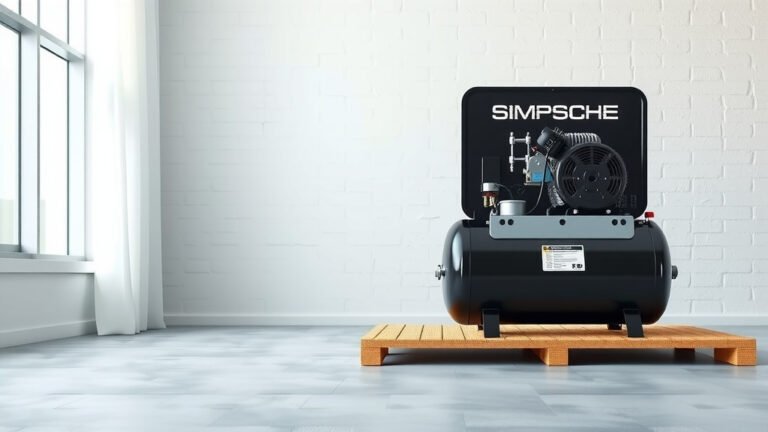
An air compressor works by taking in ambient air and then compressing it into a smaller volume. This compressed air is stored under pressure, ready to be used for various tasks. It’s essentially an air pump that builds up a reserve of high-pressure air for your tools.
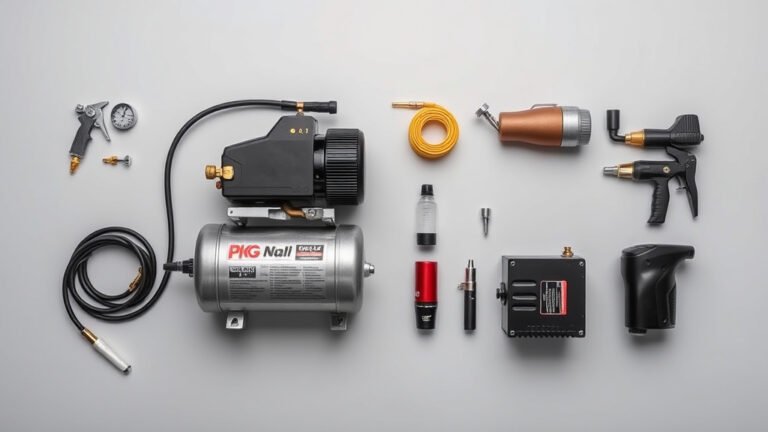
You’ll find air compressors are indispensable for everything from powering nail guns and paint sprayers to inflating tires. The magic happens when a motor or engine drives a mechanism like a piston or a screw. This mechanism forces air into a storage tank, increasing its pressure.
- Air compressors capture and squeeze air.
- They store this high-pressure air in a tank.
- This pressurized air powers many tools and tasks.
- The process involves a motor and a compression mechanism.
Ready to understand the inner workings? Let’s walk through exactly how an air compressor gets the job done, step by step.
Understanding How Air Compressors Function
So, you’ve got this amazing machine that can power your tools with a blast of compressed air. But how does it actually take regular air and make it high-pressure? It’s a clever process, and we’re here to break it down for you. Think of it like squeezing a sponge full of air, but much more mechanically advanced!
The Core Components of an Air Compressor
Before we dive into the action, let’s meet the main players. Every air compressor, whether it’s a tiny portable unit or a powerhouse for a workshop, has a few key parts working together.
The Motor or Engine: The Powerhouse
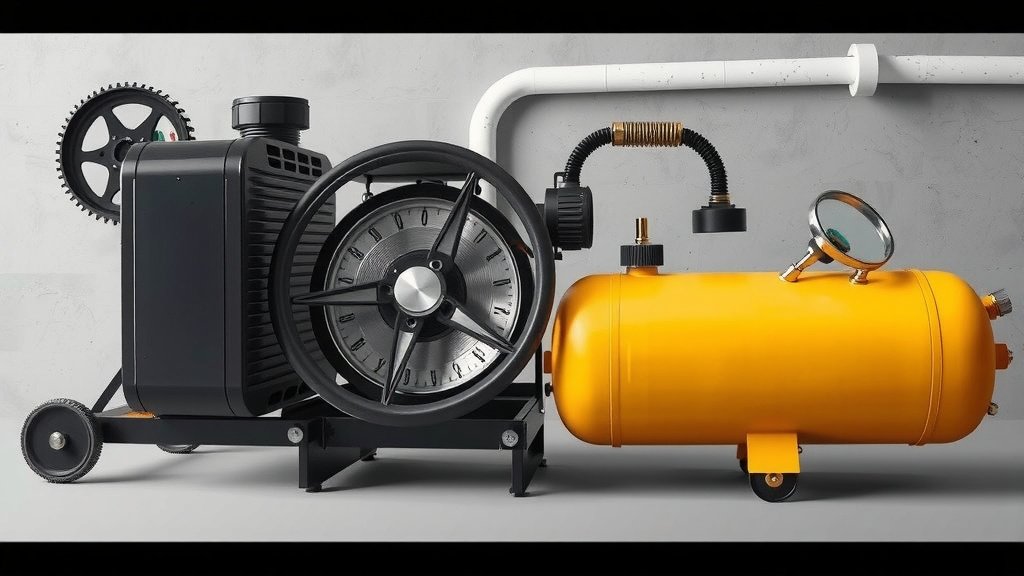
This is the heart of the operation. You’ll usually find an electric motor in most home and workshop compressors. For larger industrial applications or if you’re working off the grid, a gasoline or diesel engine might be used. Its job is simple: to provide the rotational force needed to drive the compression mechanism.
The Compression Mechanism: Where the Magic Happens
This is where the actual squeezing of air occurs. There are several common types, and understanding them will really help you grasp how air compressors work.
Piston Compressors (Reciprocating)
These are perhaps the most common type you’ll encounter. They work much like the engine in your car. A motor turns a crankshaft, which drives a piston up and down inside a cylinder. As the piston moves down, it draws air in through an intake valve. When it moves up, it forces that air out through an exhaust valve into a storage tank, significantly increasing its pressure.
Rotary Screw Compressors
You’ll often find these in larger industrial settings. Instead of pistons, they use two intermeshing helical screws. As the screws rotate, they trap air in the pockets between the threads. The air is then pushed along the length of the screws, becoming more compressed as the pockets get smaller. This type offers a continuous flow of air and is known for its efficiency.
Rotary Vane Compressors
In this design, a rotor with sliding vanes rotates eccentrically within a casing. The vanes are flung outwards by centrifugal force, creating a seal against the casing. As the rotor turns, the space between the rotor and the casing increases on one side, drawing air in. On the other side, the space decreases, compressing the air and pushing it out.
The Air Intake and Filter
Clean air is essential for a compressor to run smoothly and efficiently. Air is drawn in from the surrounding environment through an intake port. Before it reaches the compression mechanism, it passes through an air filter. This filter removes dust, dirt, and other debris, preventing them from entering the compressor and causing damage or contaminating the air supply. Think of it as the compressor’s lungs – they need to breathe clean air!
The Storage Tank: Holding Your Compressed Air
Once the air is compressed, it needs a place to go. That’s where the storage tank comes in. This is a sturdy, pressure-rated vessel designed to hold a volume of compressed air. Having a tank is super important because it allows the compressor motor to cycle on and off efficiently. Instead of running constantly, the motor runs until the tank reaches its maximum pressure, then it stops. It starts up again when the pressure drops below a certain point.
The Pressure Switch and Gauge: Your Control Center
These are your eyes and ears for the tank’s pressure. The pressure switch is a vital safety and efficiency component. It monitors the air pressure inside the tank. When the pressure reaches the maximum set point (often indicated by the pressure gauge), the switch automatically shuts off the motor to prevent over-pressurization. Conversely, when the pressure drops to a minimum level, the switch turns the motor back on to build pressure again. This automatic control is what makes air compressors so user-friendly.
The Release Valve: Safety First!
Every air compressor tank is equipped with a safety release valve, also known as a relief valve or pop-off valve. This is a critical safety feature. If the pressure switch fails and the pressure in the tank gets dangerously high, this valve is designed to automatically open and vent excess air, preventing a potential explosion. It’s a smart safeguard that keeps you and your equipment out of harm’s way.
A Step-by-Step Look at the Compression Process
Let’s trace the journey of air through a typical piston air compressor:
- Step 1: Intake – The motor starts, driving the piston down. This creates a vacuum in the cylinder, opening the intake valve and drawing ambient air into the cylinder.
- Step 2: Compression – The piston moves upwards. This action closes the intake valve and forces the trapped air into a smaller volume. The pressure of the air rapidly increases.
- Step 3: Discharge – As the piston continues its upward stroke, the pressure builds until it exceeds the pressure in the storage tank. This forces open the discharge valve, and the compressed air is pushed into the tank.
- Step 4: Storage and Cycling – The compressed air fills the tank, increasing the overall pressure. The pressure switch monitors this. Once the maximum pressure is reached, the switch turns off the motor.
- Step 5: Depressurization (for some types) – In many single-stage compressors, when the motor stops, a small valve might briefly open to release the pressure in the line between the cylinder and the tank. This makes it easier for the motor to start up again against less resistance.
- Step 6: Re-engagement – As you use the compressed air from the tank (by operating a tool), the pressure inside the tank drops. When it falls to the lower set point, the pressure switch engages the motor again, restarting the cycle.
This continuous cycle of intake, compression, discharge, and storage is how your air compressor reliably provides the pressurized air your tools need.
Types of Air Compressors and Their Mechanics
While the core principle of compressing air remains the same, different types of compressors have unique ways of achieving this.
Single-Stage vs. Two-Stage Compressors
This distinction is mostly for piston compressors.
Single-Stage
These compressors compress the air in a single stroke of the piston. They are common for smaller, portable units and are suitable for tasks that don’t require extremely high pressures or continuous air flow, like inflating tires or running smaller brad nailers.
Two-Stage
These units compress the air twice. The air is first compressed by a low-pressure piston, then it’s sent to a second, smaller cylinder for a second stage of compression. This results in higher pressures and more efficient operation, making them ideal for demanding tools like impact wrenches, spray guns, or sanders. Many experts suggest two-stage compressors for professional use (National Institute for Occupational Safety and Health).
Here’s a quick look at how they stack up:
| Feature | Single-Stage Compressor | Two-Stage Compressor |
|---|---|---|
| Compression | One piston stroke | Two piston strokes (low and high pressure) |
| Pressure Output | Lower to medium (e.g., up to 125 PSI) | Higher (e.g., up to 175 PSI or more) |
| Best For | Light-duty DIY, tire inflation, small air tools | Professional use, continuous operation, demanding tools |
| Efficiency | Generally less efficient | More efficient, especially under load |
Common Air Compressor Issues and What They Mean
Understanding how your compressor works can also help you troubleshoot when things go wrong. Here are a few quick checks:
- Is the compressor not building pressure? Check the air filter for clogs or a faulty intake valve. Make sure there are no leaks in the system.
- Is the motor running constantly? This could mean a leak in the tank or hoses, a faulty pressure switch, or that the compressor is undersized for the tool being used.
- Is the air dirty or oily? Your air filter might be damaged, or the internal seals in the compression mechanism could be worn out.
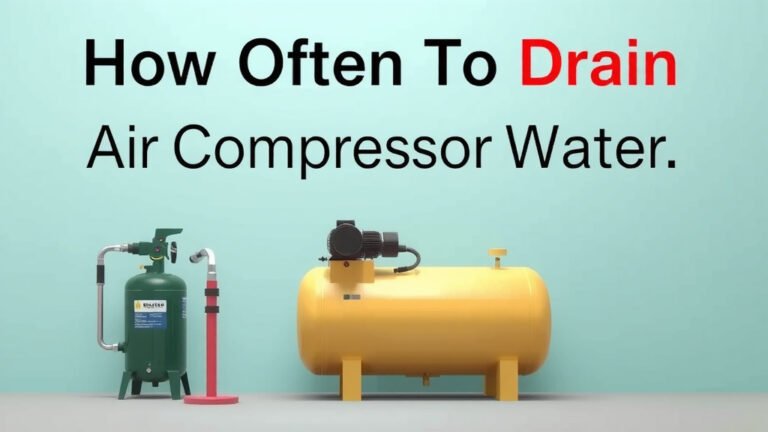
Keeping your air filter clean and draining your tank regularly are simple maintenance steps that prevent many common problems. Draining the tank removes moisture that can cause rust and damage.
The Importance of Air Quality and Maintenance
For the best performance and longevity, you’ll want to pay attention to your air quality. Moisture and oil can contaminate the compressed air. Many compressors have drain valves at the bottom of the tank to release accumulated water. Regular maintenance, like cleaning or replacing air filters and checking oil levels (for oiled compressors), is key. Many sources recommend draining the tank daily, especially in humid environments (Occupational Safety and Health Administration).
Here’s a quick checklist for keeping your compressor in top shape:
- Drain the air tank regularly.
- Clean or replace the air filter often.
- Check and top off oil levels (if applicable).
- Listen for unusual noises.
- Inspect hoses and fittings for leaks.
Conclusion
You now have a solid understanding of how an air compressor works, from its core components to the step-by-step compression process. You’ve seen how a motor drives a mechanism to squeeze air and store it under pressure. Whether it’s a piston, screw, or vane design, the goal is always to create that powerful airflow for your tools. Remember that regular maintenance, like draining the tank and cleaning filters, is key to keeping your compressor running efficiently and safely. Take these tips to your workshop and keep your tools powered up!
Frequently Asked Questions
How much air pressure can a typical air compressor produce?
The air pressure an air compressor can produce varies by type and size. Smaller, single-stage compressors often reach up to 125 PSI (pounds per square inch). Larger, two-stage compressors designed for professional use can typically generate higher pressures, often 175 PSI or more, to power demanding tools.
What’s the main difference between single-stage and two-stage compressors?
The primary difference lies in how many times the air is compressed. Single-stage compressors use one piston stroke to reach their maximum pressure. Two-stage compressors compress the air in two steps, using a low-pressure and then a high-pressure cylinder, which results in higher output pressure and greater efficiency for heavier-duty tasks.
Why is it important to drain the air compressor tank?
Compressing air naturally creates moisture. Draining the tank regularly removes this accumulated water, preventing rust and corrosion inside the tank and hoses. This simple maintenance step protects your equipment and ensures cleaner air output for your tools.
Can I use any tool with any air compressor?
Not necessarily. Tools have different air consumption (measured in CFM – cubic feet per minute) and pressure (PSI) requirements. You need to match your air compressor’s output to the demands of your tool. Using an undersized compressor can cause the motor to run constantly, while an oversized one might be overkill for simple tasks.
What causes an air compressor motor to run constantly?
If your air compressor motor runs continuously without shutting off, it often indicates a pressure issue. This could be due to a leak in the air tank or hose system, a faulty pressure switch that isn’t signaling the motor to stop, or the compressor might be struggling to reach its set pressure due to being undersized for the tool being used.