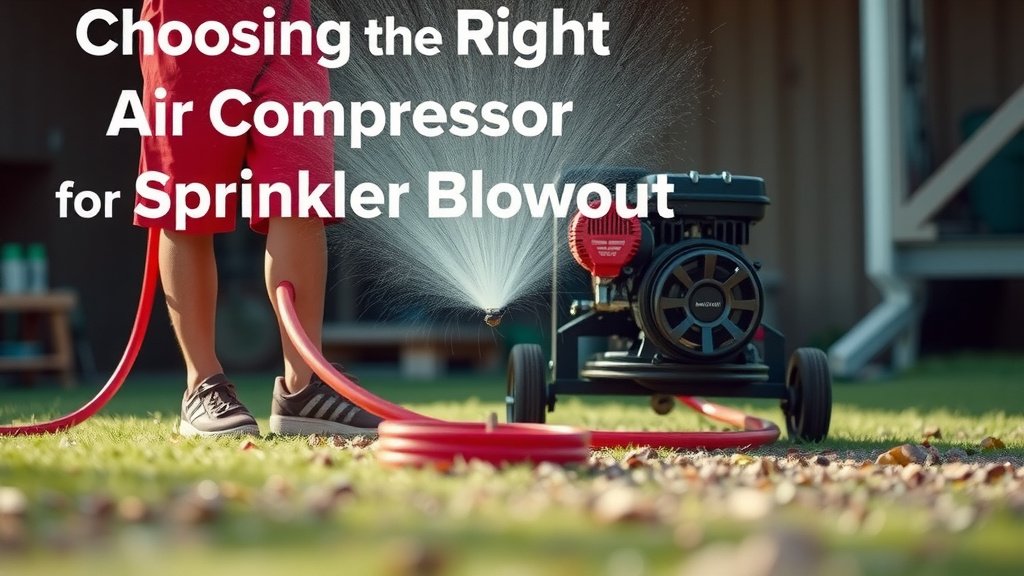
Choosing the Right Air Compressor for Sprinkler Blowout
The right air compressor size for blowing out your sprinkler system depends on your system’s needs. Generally, a 10-20 gallon tank size with a 3-6 CFM rating at 90 PSI is sufficient for most residential sprinkler systems. This ensures you have enough air volume and pressure to safely clear water without damaging your pipes. Don’t guess – make sure your compressor can deliver enough air to get the job done right the first time!
Choosing the correct air compressor is key to preventing costly winter damage. Too little air and you might not clear all the water. Too much air pressure can cause serious pipe bursts. We’ve researched the common requirements for sprinkler winterization and found that matching your compressor’s capabilities to your system’s zones is the smartest approach. This prevents both frozen pipes and unnecessary equipment wear.
TL;DR:
- Most homes need a 10-20 gallon air compressor.
- Look for 3-6 CFM at 90 PSI for adequate airflow.
- Too little air won’t clear water; too much can burst pipes.
- Match compressor size to your sprinkler system’s zones.
- Proper winterization saves you from expensive repairs.
Let’s walk through exactly how to pick the perfect air compressor for your sprinkler blow-out, ensuring your system stays safe all winter long.
Choosing the Right Air Compressor for Sprinkler Blowout
Selecting the correct air compressor is your first defense against costly winter repairs. You need enough air to clear out your sprinkler lines effectively. But you also need to avoid over-pressurizing and damaging your pipes. We’ve researched the typical needs for winterizing sprinkler systems. The goal is to find a balance that protects your investment.
Understanding Air Compressor Specifications: CFM and PSI
When you look at air compressors, two numbers usually stand out: PSI and CFM. PSI means “pounds per square inch.” It tells you how much force the air has. CFM means “cubic feet per minute.” It tells you how much air the compressor can deliver over time. Both are super important for blowing out sprinkler systems.
What is PSI and Why It Matters
PSI is about pressure. Too much pressure will damage your sprinkler pipes. You don’t want to blast water out; you want to push it gently. Most sprinkler systems can handle around 50-60 PSI. Some residential systems might need a bit more. We found that exceeding 70 PSI can be risky. Always check your sprinkler system’s manual if you can.
What is CFM and Why It Matters
CFM is about volume. This is how much air you get. Blowing out sprinkler lines requires a steady stream of air. You need enough CFM to move all the water out of the pipes. If your CFM is too low, water can get trapped. This trapped water can freeze and break your pipes. Many experts suggest 3 to 6 CFM at 90 PSI as a good starting point.
Tank Size: How Much Air Storage Do You Need?
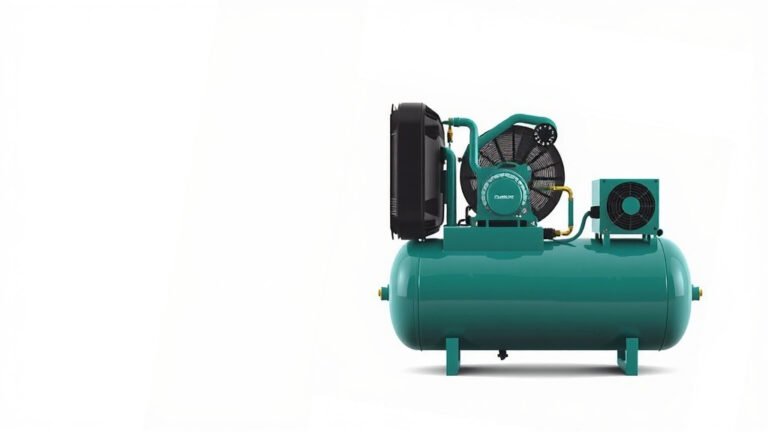
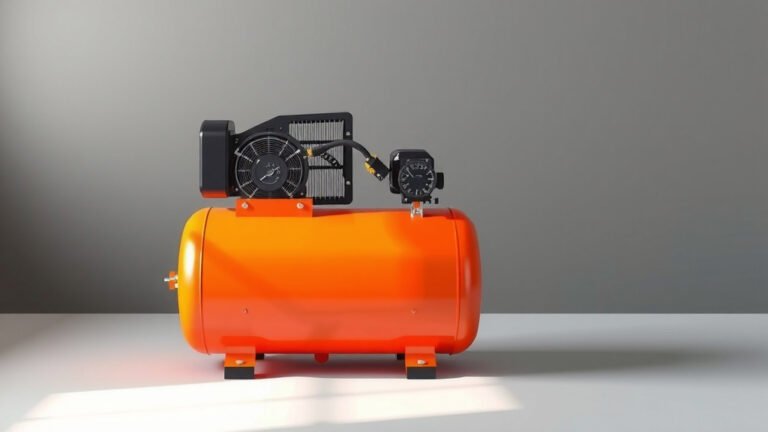
The tank size of your air compressor matters. It’s like a reservoir for compressed air. A larger tank means you can store more air. This is helpful because many compressors can’t produce air fast enough to keep up. A 10-20 gallon tank is generally considered a good size for most home sprinkler systems. It provides enough buffer for a consistent air supply.
Why a Larger Tank is Often Better
Think of a small tank like a quick sip of water. A larger tank is like drinking from a jug. You can take longer, more consistent sips. For sprinkler blowouts, this means you can move from one zone to the next without waiting for the compressor to catch up. We found that a larger tank helps maintain steady pressure. This is key to a successful blowout.
Smaller Tanks and Their Limitations
If you have a very small or simple sprinkler system, a smaller tank might work. However, these often struggle to keep up. You might find yourself waiting for the tank to refill frequently. This can make the job take much longer. It also means the air pressure might drop significantly between refills. This isn’t ideal for clearing all the water effectively.
Matching Compressor Power to Your Sprinkler System
Not all sprinkler systems are created equal. The size and complexity of your system will affect the air compressor you need. It’s not a one-size-fits-all situation. You need to consider how your system is laid out. This will help you determine the right CFM and PSI requirements.
Assessing Your Sprinkler System’s Needs
First, how many sprinkler zones do you have? More zones typically mean more pipes and valves. This requires more air volume to clear. Also, consider the layout of your pipes. Are they very long or have many turns? These factors increase the demand on your air compressor. We recommend looking at your system’s design.
Zone by Zone Blowout Strategy
Most people do their sprinkler blowouts zone by zone. This is a smart approach. You attach the air compressor to the valve for one zone. You run the compressor until water stops coming out of the sprinklers in that zone. Then you move to the next zone. This method helps manage the air requirement effectively.
Calculating Required CFM
Many irrigation professionals suggest a minimum of 3-5 CFM at 90 PSI for a single zone. If you have multiple zones, you might need a compressor that can sustain this level of output. Some larger systems or systems with very long pipe runs might benefit from 6 CFM or even higher. We found that aiming for a compressor with 5-10 CFM at 90 PSI provides a good safety margin for most homes.
Types of Air Compressors to Consider
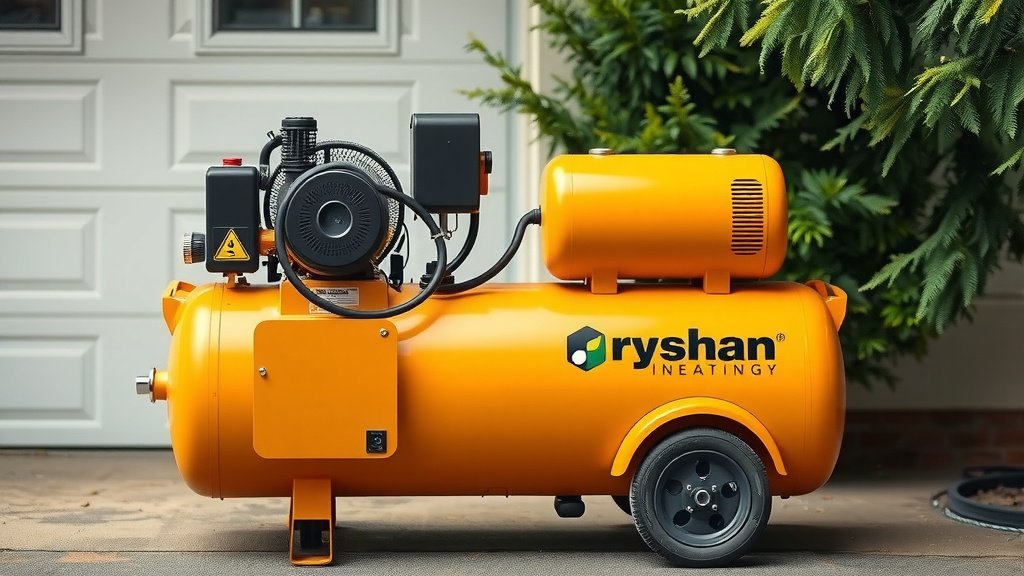
For sprinkler blowouts, you’ll generally be looking at portable electric or gas-powered compressors. Electric ones are quieter and great if you have easy access to power. Gas compressors offer more portability and power but are louder. Most homeowners find that a 10-20 gallon electric model is sufficient and easier to manage.
Electric vs. Gas-Powered Options
Electric compressors are usually lighter and require less maintenance. You’ll need an outdoor outlet or extension cord that can handle the power draw. Gas compressors are fantastic for locations far from a power source. However, they produce fumes and are much noisier. For most suburban homes, electric is the preferred choice for ease of use.
Checklist for Choosing Your Sprinkler Blowout Compressor
Here’s a quick rundown to help you make your choice:
- Check your sprinkler system manual for any specific pressure recommendations.
- Estimate the number and length of your pipes. Longer pipes need more air.
- Aim for a compressor with at least 3-5 CFM at 90 PSI. More is often better.
- Look for a tank size of 10-20 gallons for consistent air supply.
- Ensure the compressor can deliver at least 50-60 PSI but not much more.
- Consider portability if you need to move the compressor around your yard.
Conclusion
You’ve learned that selecting the right air compressor is crucial for safely winterizing your sprinkler system. Remember to focus on the key specs: CFM and PSI. For most homes, a compressor with 10-20 gallons of tank capacity and a 3-6 CFM rating at 90 PSI is your sweet spot. Avoid using too much pressure, which can cause costly damage, but ensure you have enough air volume to clear all water effectively. By matching your compressor’s capabilities to your sprinkler system’s needs, you can prevent frozen pipes and expensive repairs this winter. Now, go ahead and find that compressor and get your system ready!
Frequently Asked Questions
What is the minimum CFM I need for my sprinkler blowout?
For most residential sprinkler systems, aiming for at least 3-5 CFM at 90 PSI is recommended. This airflow helps to efficiently push water out of the lines. If you have a larger system or very long pipe runs, consider a compressor with 6 CFM or higher for a more robust blowout.
Can I use a small pancake compressor for my sprinkler blowout?
A small pancake compressor might struggle to provide enough consistent airflow (CFM) and tank capacity for a sprinkler blowout. While they can generate PSI, their limited air volume might mean you have to wait for the tank to refill often. This can make the job take much longer and potentially leave water trapped.
What happens if I use too much PSI to blow out my sprinklers?
Using too much PSI can be dangerous for your sprinkler system. High pressure can cause pipes to burst, leading to expensive repairs. It can also damage sprinkler heads and valves. It’s best to stay within the 50-60 PSI range, and never exceed 70 PSI, to protect your system.
How does the number of sprinkler zones affect the compressor I need?
More sprinkler zones generally mean more pipes and valves, which require more air volume to clear effectively. While you blow out one zone at a time, a larger system demands a compressor that can consistently deliver the necessary CFM. A larger tank size helps maintain this steady air supply across multiple zones.
Is it better to rent or buy an air compressor for sprinkler blowout?
Renting an air compressor can be a cost-effective option if you only need it for sprinkler winterization once a year. However, if you plan to do other DIY projects or have a large property with frequent needs, buying a compressor that fits your requirements might be a better long-term investment.