Air Compressor Amps: How Much Power Do They Draw
So, you’re wondering how many amps an air compressor draws? It really depends on the compressor’s size and power. Most common home or DIY compressors draw somewhere between 10 to 15 amps on average when they kick on. But, larger or more powerful units can pull much more.
Understanding amp draw is key to preventing tripped breakers and ensuring your tools get the steady power they need. We found that many users underestimate this, leading to frustration. Knowing the typical range for different compressor types helps you plan your electrical setup. It’s all about matching your compressor to your home’s electrical capacity.
TL;DR:
- Most small air compressors use 10-15 amps.
- Larger compressors can draw 20 amps or more.
- Check your compressor’s nameplate or manual for exact specs.
- Ensure your circuit can handle the amp draw to avoid issues.
Let’s walk through exactly what influences an air compressor’s amp draw and how you can figure out yours.
Here is the main body content for your blog post:Understanding Your Air Compressor’s Power Needs
You’ve got your new air compressor, and you’re ready to tackle some projects. But before you plug it in, it’s smart to understand how much electricity it actually uses. This isn’t just about preventing a surprise trip to the breaker box. It’s also about making sure your tools get the consistent power they need to perform their best. We’ve found that many people overlook this detail.
The main factor determining an air compressor’s amp draw is its horsepower (HP) and its tank size. Bigger motors and larger tanks generally mean a higher demand for electricity. It’s like choosing between a small car and a large truck; both get you places, but they use different amounts of fuel.
Horsepower: The Engine of Your Compressor
Think of horsepower as the muscle behind your compressor. A higher horsepower motor can do more work. It can compress air faster and maintain pressure more effectively. Because it’s working harder, it will naturally draw more amps.
We found that most portable compressors for DIY use range from 1 to 6 HP. A 1 HP compressor might pull around 7-10 amps. A more robust 5 HP unit could easily draw 15-20 amps or even more when it starts up. This startup surge is important to consider.
Startup vs. Running Amps
Here’s a detail that often trips people up: an air compressor draws more amps when it first starts than when it’s just running. This is called the “inrush current” or startup amps. It can be two to three times higher than the normal running amps.
This means a compressor might draw 10 amps while it’s running, but it could spike to 20-30 amps for a second or two when the motor kicks on. Your circuit breaker is designed to handle these brief spikes. However, repeated or prolonged surges can still cause it to trip.
Tank Size: How Much Air You Store
The size of the air tank also plays a role, though indirectly. A larger tank means the compressor can store more compressed air. This is great for longer tool run times.
However, to fill that larger tank, the motor might have to run for longer periods. A larger tank often means a more powerful motor is needed to fill it efficiently. So, while the tank itself doesn’t draw amps, the system designed to fill it does. We found that larger tanks usually correlate with higher HP motors.
Common Air Compressor Amp Draws by Type
Let’s break down what you can generally expect for different types of air compressors. This will give you a clearer picture for your own setup.
Small, Portable Compressors
These are your go-to for tasks like inflating tires, powering small nail guns, or cleaning. They are lightweight and easy to move around. You’ll often find these in garages or workshops. They are typically 1 to 2 HP and have tanks under 10 gallons.
For these units, you’re usually looking at an amp draw of around 7 to 12 amps when they are running. The startup surge might push this to 15-20 amps. Most standard 15-amp household circuits can handle these with ease, provided nothing else is drawing significant power on the same circuit.
Mid-Sized Workshop Compressors
These are a step up for more demanding DIY projects. Think spray painting, running impact wrenches, or powering multiple tools. They often have tanks ranging from 10 to 30 gallons and are typically 2 to 4 HP.
Their running amp draw can be anywhere from 12 to 18 amps. When they start, you might see spikes of 25-35 amps. For these, it’s highly recommended to have them on a dedicated 20-amp circuit. This prevents them from tripping your breaker when they kick on, especially if you have other devices running.
Large, Industrial-Style Compressors
These are the heavy hitters. You’ll see these in professional auto shops or serious manufacturing environments. They have large tanks (60 gallons or more) and often have 5 HP or higher motors.
The amp draw for these units can be substantial, often ranging from 18 to 25 amps or even more while running. Their startup surge can be incredibly high. Many of these larger compressors are designed for 240-volt circuits, which use a different type of breaker and can handle higher power demands more safely. We found that residential wiring often isn’t sufficient for these without upgrades.
Where to Find Your Compressor’s Exact Amp Draw
While these ranges are helpful, the best way to know for sure is to check the specifications for your specific model. Where do you find this information? It’s usually quite accessible.
The Nameplate: Your Compressor’s ID Card
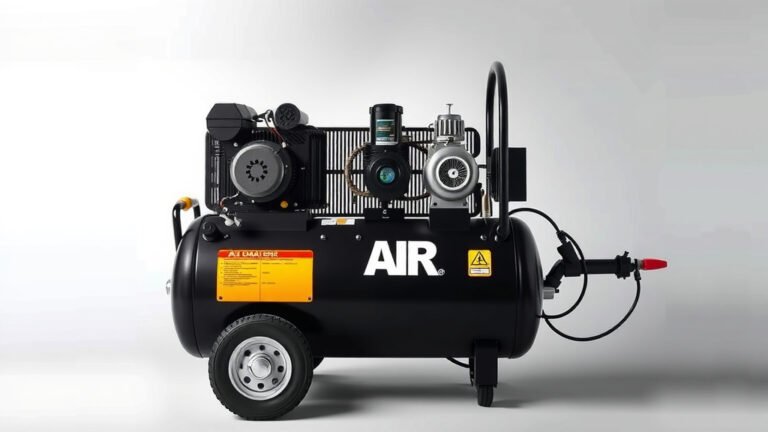
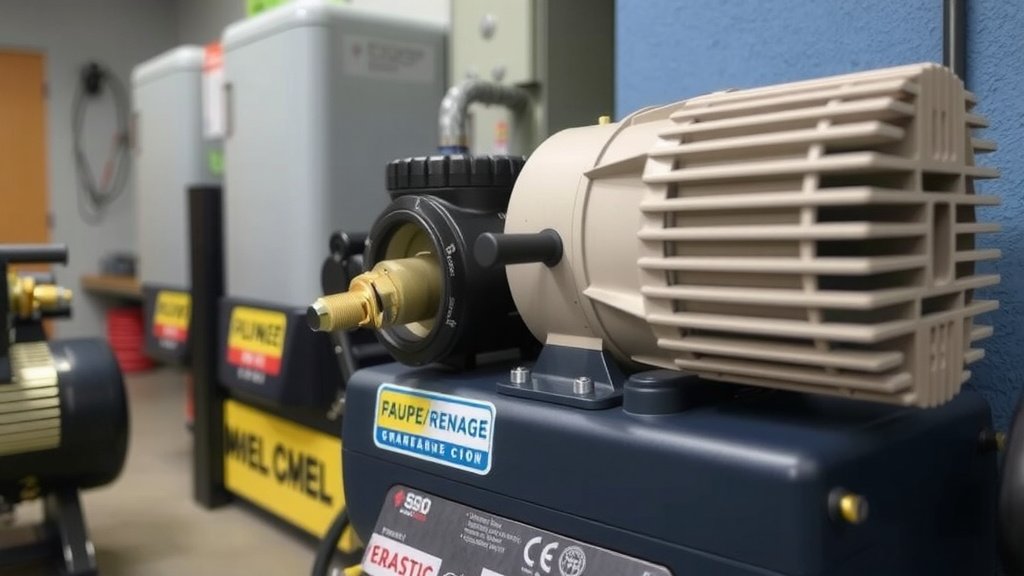
Every air compressor will have a nameplate attached to it. This is a small metal plate, usually riveted or screwed onto the motor or tank. It’s packed with essential information about the unit.
Look for details like horsepower (HP), voltage (V), and amperage (A) or current (Amps). Sometimes, it will list both the running amps and the startup amps. This is the most reliable source for your compressor’s power consumption. It’s like the nutritional label on your food.
The Owner’s Manual: Your Compressor’s Guidebook
If the nameplate is hard to read or missing, your owner’s manual is your next best bet. It will have a specifications section that lists all the technical details. You might need to flip through it to find the electrical requirements. If you lost the physical copy, search online for your compressor’s model number, followed by “manual PDF.” We found that manufacturers often make these available on their websites.
Ensuring Your Electrical System Can Handle It
Knowing your compressor’s amp draw is only half the battle. The other half is making sure your home’s electrical system is ready for it. This is where you prevent those annoying breaker trips and potential electrical hazards.
Check Your Circuit Breaker and Outlet
Look at the breaker in your electrical panel that controls the outlet you plan to use. Is it a 15-amp or a 20-amp breaker? Most standard outlets in homes are on 15-amp circuits. If your compressor’s running amps are close to or exceed 15 amps, you’ll want to avoid plugging it into a circuit with other high-draw appliances like refrigerators, microwaves, or space heaters.
Ideally, a compressor that draws 10-15 amps should be on a circuit where it’s the primary load. For compressors drawing over 15 amps, a dedicated 20-amp circuit is highly recommended. Many experts say dedicating a circuit is the safest approach for power tools. This ensures consistent power and reduces the risk of overloading.
Understanding Voltage and Amperage Relationship
It’s also worth noting the relationship between voltage and amperage. Your compressor will likely run on 120V (standard household power) or 240V (less common in older homes, often used for large appliances). While amperage is the key figure for circuit breakers, voltage affects the total power (measured in watts).
For example, a 240V compressor might draw fewer amps than a 120V compressor but deliver the same amount of power. Many larger compressors opt for 240V because it allows them to achieve high power with less current, which is more efficient and easier on wiring. We found that understanding these basic electrical concepts helps in making informed decisions.
A Quick Checklist for Safe Operation
Before you plug in and power up, run through this quick checklist:
- Verify your compressor’s exact amp draw on the nameplate or in the manual.
- Check the amperage rating of the circuit breaker you plan to use.
- Ensure the outlet and extension cord (if used) are rated for the compressor’s amperage.
- Avoid plugging in other high-demand devices on the same circuit.
- Consider a dedicated circuit for compressors drawing 15 amps or more.
- Never overload your electrical system. When in doubt, consult an electrician.
Conclusion
Understanding your air compressor’s amp draw is vital for smooth operation and preventing electrical headaches. You’ve learned that horsepower and tank size are key factors, and that startup surges are normal but need consideration. Knowing whether your compressor is small, medium, or large helps you anticipate its power needs. Always check your compressor’s nameplate or manual for exact specs. By matching your compressor to your home’s electrical capacity, you ensure your tools run efficiently and safely. Your next step is to check your specific compressor’s rating and the breaker on its circuit. This simple check saves you from future troubleshooting.
Frequently Asked Questions
Will a standard household outlet handle my air compressor?
It depends on your compressor’s amp draw. Small compressors often run fine on a standard 15-amp outlet. However, larger units that draw more amps might trip the breaker. It’s best to check your compressor’s specifications and the circuit breaker rating before plugging in.
What is the difference between running amps and startup amps?
Startup amps, also called inrush current, are the high surge of electricity your compressor motor draws for a second or two when it first kicks on. Running amps are the lower, steady amount of power it uses once it’s operating. The startup surge can be 2-3 times higher than the running amps.
Can I use an extension cord with my air compressor?
Yes, but you must use a heavy-duty extension cord rated for the amperage your compressor draws. Using an undersized cord can overheat, reduce power flow, and even cause a fire hazard. Always check the cord’s gauge and amp rating to ensure it matches or exceeds your compressor’s needs.
Why does my air compressor keep tripping the breaker?
The most common reason is that the circuit is overloaded. This could be due to your compressor drawing too many amps for the breaker’s rating, or too many other devices running on the same circuit. A compressor’s startup surge can also cause a breaker to trip if the circuit is already near its limit.
Do I need a dedicated circuit for my air compressor?
For most small compressors drawing 10-15 amps, a dedicated circuit might not be strictly necessary if nothing else is on it. However, for larger compressors drawing 15 amps or more, a dedicated 20-amp circuit is highly recommended. This ensures consistent power and minimizes the risk of tripping your breaker during startup or operation.