Screw vs Piston Air Compressor: Which Is Best For You
When choosing between a screw type air compressor and a piston compressor for your needs, the screw type is generally the better choice for continuous, high-volume operation. Screw compressors offer smoother operation and less vibration, making them ideal for industrial settings where efficiency and quietness matter.
Piston compressors, on the other hand, are often the go-to for smaller shops or intermittent use due to their lower initial cost and simpler design. But if you’re running machinery all day, a screw compressor’s durability and consistent air output will likely win out in the long run.
- Screw compressors are great for constant, heavy use.
- Piston compressors are better for lighter, on-and-off jobs.
- Screw types are generally quieter and smoother.
- Piston types often have a lower upfront price.
- Consider your air demand and how long you’ll run the compressor.
Let’s break down the key differences between these two popular compressor types so you can make the best decision for your workshop or factory. To understand compressor capabilities, learn about the difference between a 1 cylinder vs 2 cylinder air compressor.
Screw vs. Piston Air Compressors: Which is Right for You?
Deciding between a screw and a piston air compressor can feel like a big choice. Both get the job done, but they do it very differently. We’ve found that understanding these differences is key. It helps you pick the machine that won’t leave you high and dry, or worse, break the bank with constant repairs.
How They Work: A Tale of Two Machines
The Screw Compressor: Smooth Sailing with Rotary Power
Imagine two giant corkscrews spinning against each other. That’s the basic idea behind a screw compressor. As these “rotors” turn, they trap air and push it forward, compressing it in the process. This continuous meshing action creates a steady stream of air. It’s a smooth and efficient way to generate compressed air.
Because there are fewer moving parts that hit each other, screw compressors tend to run much quieter. They also produce less vibration. This makes them a favorite in places where noise can be an issue, like manufacturing plants or busy workshops. You won’t be shouting over the machine when it’s running.
The Piston Compressor: The Classic Up-and-Down Motion
A piston compressor works a lot like the engine in your car. It uses a piston that moves up and down inside a cylinder. On the downstroke, it pulls air in. On the upstroke, it squeezes that air, compressing it. This cycle repeats, delivering bursts of compressed air.
This back-and-forth motion means more moving parts, including valves and pistons that repeatedly strike. This can lead to more noise and vibration compared to a screw type. Think of it as a rhythmic thumping rather than a constant hum. It’s a tried-and-true technology that many are familiar with.
Key Differences to Consider for Your Operation
Performance and Air Delivery: Consistent vs. Intermittent
This is where the biggest difference lies for many users. Screw compressors excel at continuous operation. They are designed to run for hours on end, delivering a steady, consistent flow of compressed air. This makes them ideal for applications that demand a constant supply, such as assembly lines, large paint shops, or industrial machinery.
Piston compressors, on the other hand, are often better suited for intermittent use. They deliver air in pulses. While they can handle continuous use, it often puts more strain on the components. Many piston compressors are designed to cycle on and off. This means they might stop and start more frequently, which is perfect for tasks like powering a nail gun for a few minutes or operating a small air tool.
Efficiency and Energy Use: Long-Term Savings
When you look at energy efficiency, screw compressors generally have an edge, especially during extended run times. Their design allows for more consistent air output with less energy wasted. Many studies show that for applications running more than a few hours a day, a screw compressor can lead to significant energy savings over time (U.S. Department of Energy). This is because they don’t have the same on-off cycles that can be energy-intensive.
Piston compressors can be efficient for short bursts of use. However, their on-off cycling and less streamlined compression process can mean higher energy consumption when used for prolonged periods. It’s like running a car engine constantly versus just starting it for short trips.
Durability and Lifespan: Built to Last
Screw compressors are typically built with heavy-duty components and designed for long service life under demanding conditions. Fewer high-impact moving parts mean less wear and tear. This can translate to a longer operational lifespan and fewer unexpected breakdowns. Many industrial users report screw compressors lasting for decades with proper maintenance.
Piston compressors can also be very durable, but their design inherently involves more stress on parts like pistons, rings, and valves. This means they might require more frequent maintenance and have a shorter overall lifespan, especially if they are pushed to their limits daily. Think of them as robust, but perhaps not as enduring as their screw counterparts for constant, heavy loads.
Noise and Vibration: The Comfort Factor
If noise and vibration are concerns for your workspace, a screw compressor is the clear winner. Their rotary action is much quieter and smoother than the reciprocating motion of a piston compressor. We found that noise levels in a typical screw compressor installation can be significantly lower, creating a more comfortable working environment. This is a huge plus for employee well-being and meeting local noise ordinances.
Piston compressors can be quite loud and produce noticeable vibrations. This might necessitate additional soundproofing or vibration dampening measures, adding to the overall cost and complexity of installation. You might find yourself wearing ear protection more often.
Maintenance: What to Expect
Both types of compressors require maintenance, but the nature of it differs. Screw compressors typically require regular oil changes and filter replacements. Their internal parts, like the air end, are often designed for very long service intervals. Many maintenance tasks are straightforward. This can mean less downtime for repairs.
Piston compressors have more parts that wear out over time. You’ll likely need to monitor and replace piston rings, valves, and possibly even the entire cylinder liner over the compressor’s life. While some repairs can be done by a skilled technician, they might occur more frequently than with a screw compressor.
Cost: Upfront vs. Long-Term Investment
Generally, piston compressors have a lower initial purchase price. They are a great entry point for smaller businesses or individuals who don’t need to run their air tools constantly. You can often get a lot of compressed air power for your money upfront.
Screw compressors typically come with a higher upfront cost. However, when you factor in their energy efficiency, durability, and lower maintenance needs over their lifespan, they can often be more cost-effective in the long run, especially for heavy-duty industrial applications. It’s an investment that pays dividends.
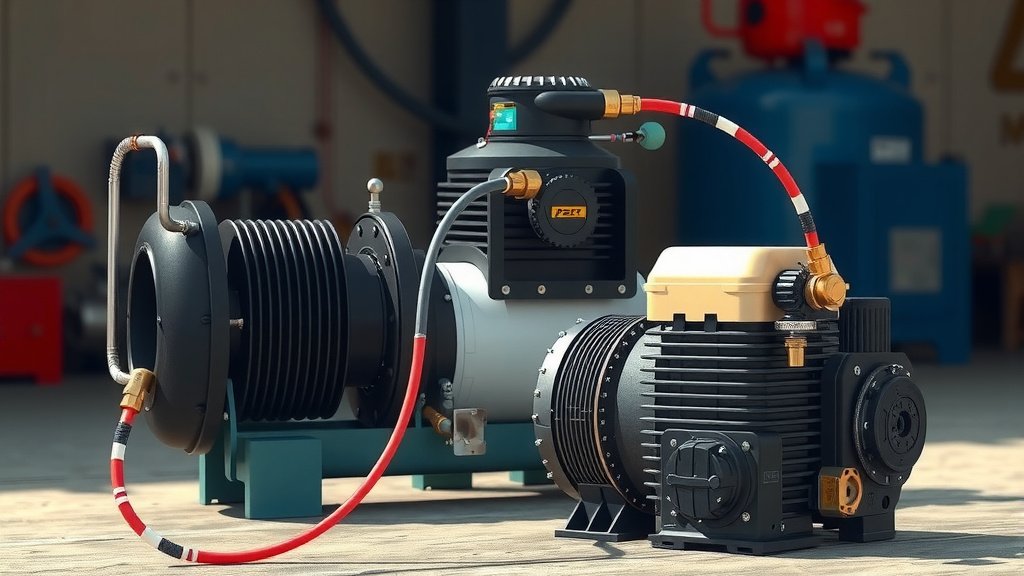
Compressor Comparison at a Glance
| Feature | Screw Compressor | Piston Compressor |
|---|---|---|
| Operation Type | Continuous, Rotary | Intermittent, Reciprocating |
| Air Delivery | Steady, Consistent Flow | Pulsed, On-Demand |
| Noise Level | Low | High |
| Vibration | Minimal | Noticeable |
| Energy Efficiency | High (especially for continuous use) | Moderate (best for intermittent use) |
| Durability & Lifespan | Excellent (designed for heavy use) | Good (can wear faster with heavy use) |
| Initial Cost | Higher | Lower |
| Maintenance | Less frequent, simpler | More frequent, more parts |
Choosing Your Best Match: A Quick Checklist
To help you make the right choice, consider these points:
- How many hours per day will the compressor run?
- What is your typical air demand?
- Is noise a significant concern in your workspace?
- What is your budget for the initial purchase?
- What is your long-term budget for energy and maintenance?
- What types of tools or machinery will you be powering?
Conclusion
So, you’ve seen the differences between screw and piston air compressors. For your operation, the choice really boils down to how you’ll use it. If you need consistent, high-volume air all day, a screw compressor is likely your best bet. It offers efficiency and durability for heavy use. If your needs are more intermittent, and your budget is tighter upfront, a piston compressor can still serve you well. Carefully consider your daily air demand and run time. This will guide you to the most cost-effective and reliable compressor for your specific needs.
Frequently Asked Questions
Which type of air compressor is more energy-efficient for continuous use?
For continuous operation, a screw air compressor is generally more energy-efficient. Its rotary design allows for a steady output with less wasted energy compared to the on-off cycles of a piston compressor. Studies show this can lead to substantial energy savings over time for industrial applications.
How often should I expect to perform maintenance on each type?
Screw compressors typically require less frequent maintenance, mainly focusing on oil and filter changes with long service intervals for major components. Piston compressors, due to more moving parts and friction, may need more regular attention, including checks and potential replacement of piston rings and valves.
Can a piston compressor handle daily, long-hour use?
While piston compressors can be used daily, they are best suited for intermittent jobs. Running them for extended, continuous hours can put significant strain on their components and lead to faster wear. For daily, long-hour use, a screw compressor is the more robust and efficient choice.
Which compressor type is quieter for a workshop environment?
A screw air compressor is significantly quieter and produces less vibration. This makes it ideal for workshops or industrial settings where noise levels can impact the working environment or be subject to regulations. Piston compressors are known for their louder, rhythmic operation.
What’s the main difference in air delivery between screw and piston compressors?
Screw compressors deliver a steady, consistent flow of compressed air due to their continuous rotary action. Piston compressors deliver air in pulses, cycling on and off to build pressure. This makes screw types better for machinery needing uninterrupted air supply.