How To Spell Air Compressor Correctly
You spell air compressor with two words: air and compressor. It’s a pretty straightforward spelling, so don’t overthink it! Knowing how to spell it correctly is helpful for online searches and when you need to talk to a supplier.
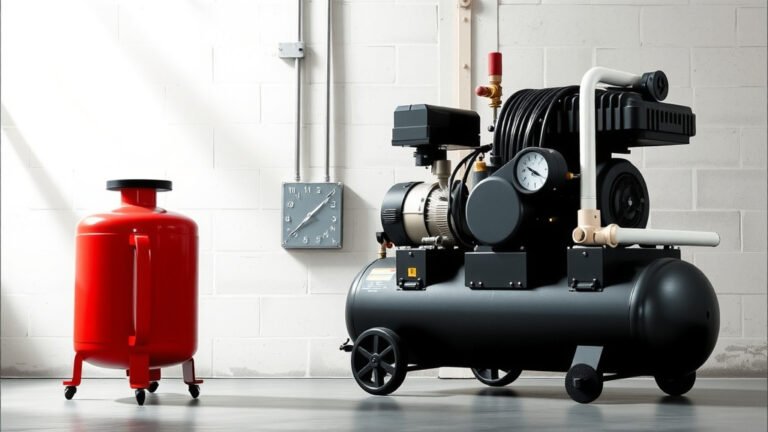
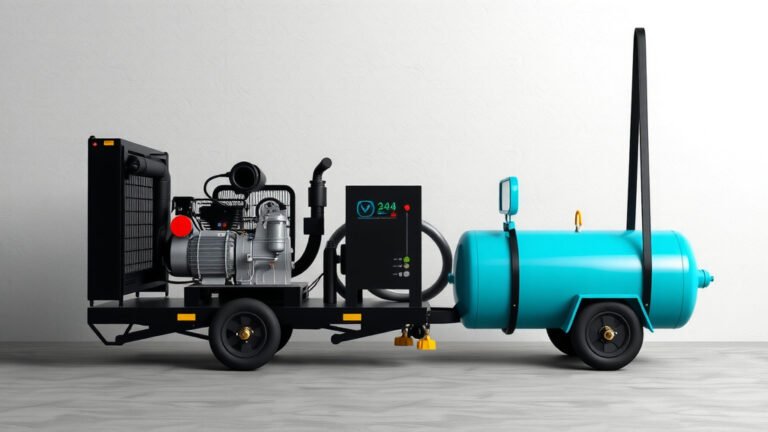
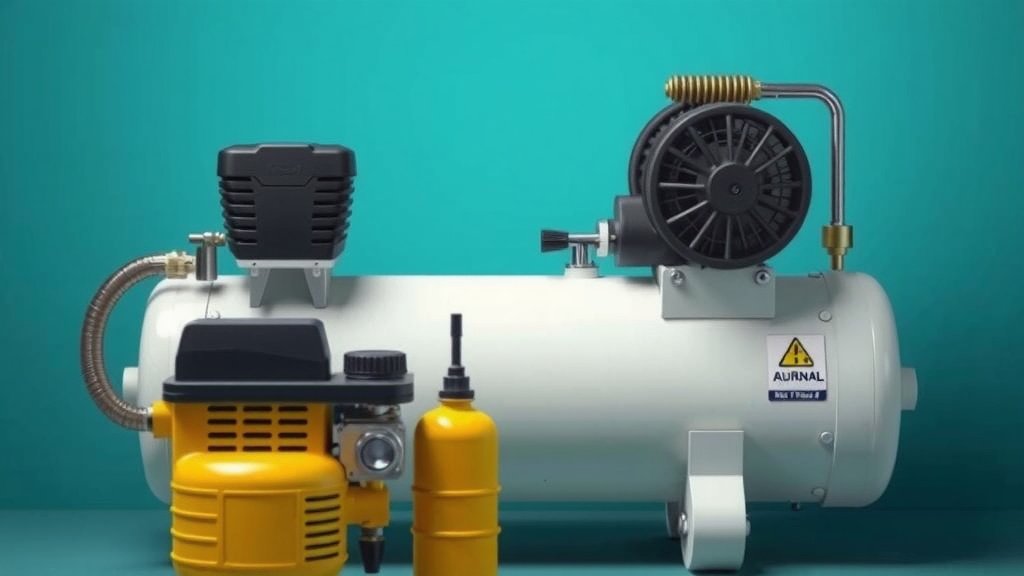
An air compressor is a machine that turns electricity or gas into compressed air. This compressed air can then be used to power many different tools. We often see them in workshops and garages for tasks like inflating tires or running nail guns. You might be surprised how many uses this handy device has.
- Air compressor is spelled “air compressor.”
- It’s two words.
- The device makes compressed air.
- Compressed air powers tools and inflates items.
- Commonly used in workshops and homes.
Below, we’ll walk you through the basics of what an air compressor is and why you might need one. Let’s get your questions answered!
Understanding Your Air Compressor: What It Is and How It Works
You’re likely here because you want to know how to spell “air compressor.” We’ve got you covered! It’s spelled just like it sounds: air and compressor. Now that we’ve cleared that up, let’s talk about what this handy machine actually does.
An air compressor is essentially a device that takes in ambient air and squeezes it into a smaller volume. Think of it like a powerful lung for your tools. This compressed air is stored under pressure, ready to be released when you need it. This process allows it to power a wide range of pneumatic tools.
The Basic Mechanics: How Pressure is Made
So, how does it all happen? Most air compressors use a motor or engine to drive a mechanism. This mechanism could be a piston, a screw, or even a vane. Whatever the type, its job is to draw in air and then reduce its volume. This reduction in space dramatically increases the air’s pressure.
The higher the pressure, the more “oomph” you get when you release that air. This stored energy is what makes air compressors so useful for various tasks. They are the unsung heroes behind many DIY projects and professional jobs alike.
Common Types of Compression
You’ll mostly find two main types of compression technologies in common air compressors:
- Reciprocating (Piston) Compressors: These work much like a car engine’s pistons. A piston moves up and down in a cylinder, drawing air in and then compressing it. They are very common for home and small shop use.
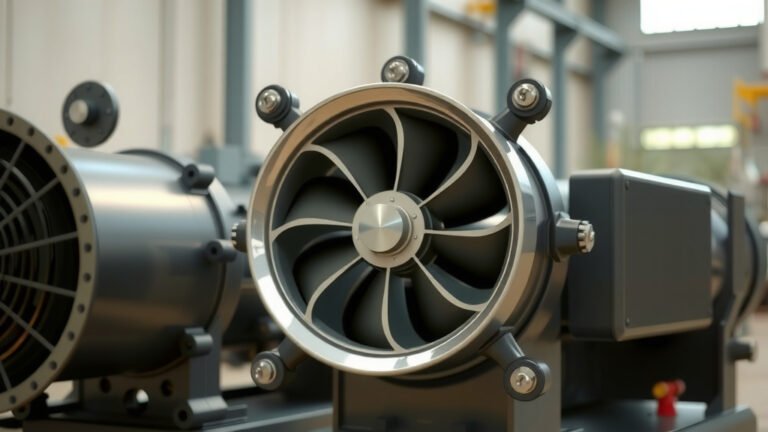
- Rotary Screw Compressors: These use two interlocking helical screws. As the screws rotate, they trap air and push it towards the output, compressing it along the way. They are often found in industrial settings due to their efficiency and continuous air supply.
Why Do You Need an Air Compressor?
You might be wondering if an air compressor is the right tool for your needs. Well, if you’ve ever wanted to use tools that rely on pressurized air, then the answer is probably yes! They are incredibly versatile.
Perhaps you’re a hobbyist who dreams of using a nail gun for your woodworking projects. Or maybe you’re tired of using a manual pump to inflate your car tires. An air compressor can make these tasks and many more much easier and faster. It’s like giving yourself a superpower for home improvement.
Popular Uses for Your Air Compressor
Let’s look at some of the most common ways people use air compressors:
- Inflating Tires: This is a classic. Whether it’s your car, bicycle, or even an air mattress, a compressor makes inflating quick and easy.
- Powering Nail Guns and Staplers: For anyone doing carpentry or upholstery, these tools are a game-changer. They drive nails and staples precisely and quickly.
- Running Impact Wrenches: If you’ve ever struggled to loosen a stubborn bolt, an impact wrench powered by an air compressor will make short work of it. This is a favorite among mechanics.
- Painting and Spraying: Air compressors are essential for many spray painting applications. They atomize paint, creating a fine mist for a smooth, even finish.
- Cleaning and Dusting: A blast of compressed air can quickly clear dust and debris from work areas, engines, or electronics.
Choosing the Right Air Compressor for Your Needs
Not all air compressors are created equal. When you’re looking to buy one, you’ll want to consider a few key factors. It’s not just about the spelling; it’s about the specifications!
Key Specifications to Consider
When you’re browsing for an air compressor, you’ll see terms like PSI and CFM. These are important!
- PSI (Pounds per Square Inch): This measures the air pressure. Different tools require different PSI levels to operate effectively.
- CFM (Cubic Feet per Minute): This indicates the volume of air the compressor can deliver. Tools that use a lot of air, like sanders, need a higher CFM.
Generally, more demanding tools will require higher PSI and CFM ratings. It’s always a good idea to check the requirements of the tools you plan to use.
Portability vs. Power: What’s Your Priority?
Air compressors come in various sizes and designs. Think about where and how you’ll be using yours.
Portable compressors are smaller and lighter. They are great for tasks around the house or if you need to move your compressor frequently. They might not have the highest power, but they offer convenience.
Stationary compressors are much larger and more powerful. They are designed to stay in one place, like a workshop or garage. If you need consistent, high-power air for demanding tools, a stationary unit is likely your best bet.
Oil vs. Oil-Free Compressors
This is another important decision. Both have their pros and cons:
- Oil-Lubricated Compressors: These typically run cooler and last longer. They require regular maintenance to check and change the oil. The oil can sometimes contaminate the air output, which isn’t ideal for painting or medical use.
- Oil-Free Compressors: These are generally lighter and require less maintenance. They don’t risk oil contamination in the air supply, making them great for painting or food-related applications. However, they can sometimes be noisier and may have a shorter lifespan than oil-lubricated models.
Understanding Power Source: Electric vs. Gas
The way your compressor is powered also matters:
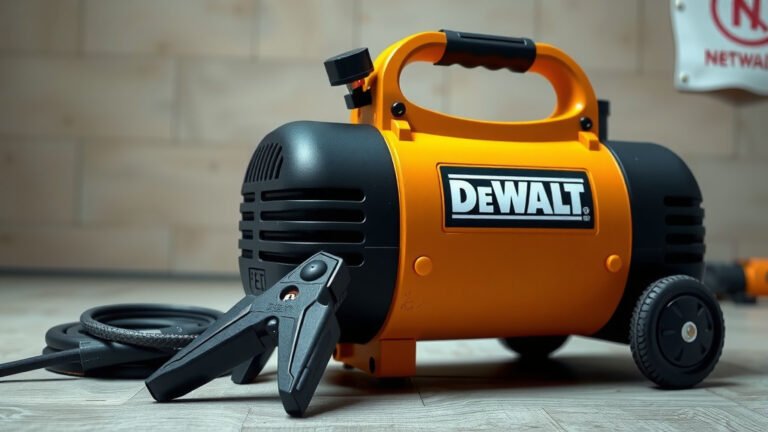
Electric Compressors: These are the most common for home and small shop use. You just need access to an electrical outlet. They are quieter and don’t produce exhaust fumes, making them suitable for indoor use.
Gas-Powered Compressors: These are typically more powerful and portable, as they don’t require an electrical connection. They are ideal for job sites far from power sources. However, they are noisy and produce exhaust, so they must be used outdoors or in very well-ventilated areas.
Maintaining Your Air Compressor for Longevity
Once you have your air compressor, taking care of it will ensure it works reliably for years. It’s not complicated, and a little effort goes a long way.
Essential Maintenance Steps
Here are a few simple things you should do:
- Drain the tank regularly: Water can build up inside the tank. Draining it prevents rust and corrosion. Do this after each use.
- Check the oil level: For oil-lubricated models, make sure the oil is at the correct level.
- Clean the air filter: A clogged filter means the compressor has to work harder. Clean or replace it as needed.
- Inspect for leaks: Listen for any hissing sounds that might indicate an air leak in the hoses or fittings.
Performing these simple checks can prevent bigger problems down the line. Think of it like giving your air compressor a little spa treatment!
When to Call a Professional
While most maintenance is DIY-friendly, some issues are best left to the experts. If you notice strange noises, excessive vibration, or if the compressor isn’t building pressure, it might be time to call a qualified technician. They have the tools and expertise to diagnose and fix more complex problems.
Conclusion
You’ve learned how to spell “air compressor” correctly: it’s two simple words. Beyond spelling, you now understand what an air compressor does and why it’s so useful. You know about different types, from piston to rotary screw models, and how to choose the right one based on PSI, CFM, and portability. We also covered essential maintenance to keep your compressor running smoothly. Now that you’re equipped with this knowledge, take the next step and research the specific air compressor that best fits your DIY projects or professional needs. You also learned about the difference between a 1 cylinder vs 2 cylinder air compressor, which can help you choose the right one.
Frequently Asked Questions
Is “air compressor” one word or two?
You spell “air compressor” as two separate words. The first word is “air,” and the second is “compressor.” This is the standard and correct way to write it.
Can an air compressor be spelled with a hyphen?
No, “air compressor” is typically not hyphenated. While hyphens can join words to create compound adjectives, “air compressor” functions as a noun phrase and is written as two distinct words.
What is the correct plural form of air compressor?
The correct plural form is “air compressors.” You simply add an “s” to the end of the word “compressors” to indicate more than one unit.
Are there any common misspellings of “air compressor”?
Some people might mistakenly write it as one word (“aircompressor”) or hyphenate it (“air-compressor”). Sticking to the two-word spelling ensures clarity and accuracy in your searches and communications.
Where can I find information on air compressor maintenance?
You can find maintenance information in your air compressor’s owner’s manual. Websites dedicated to tools and DIY projects often have helpful guides too, as does the article you just read!