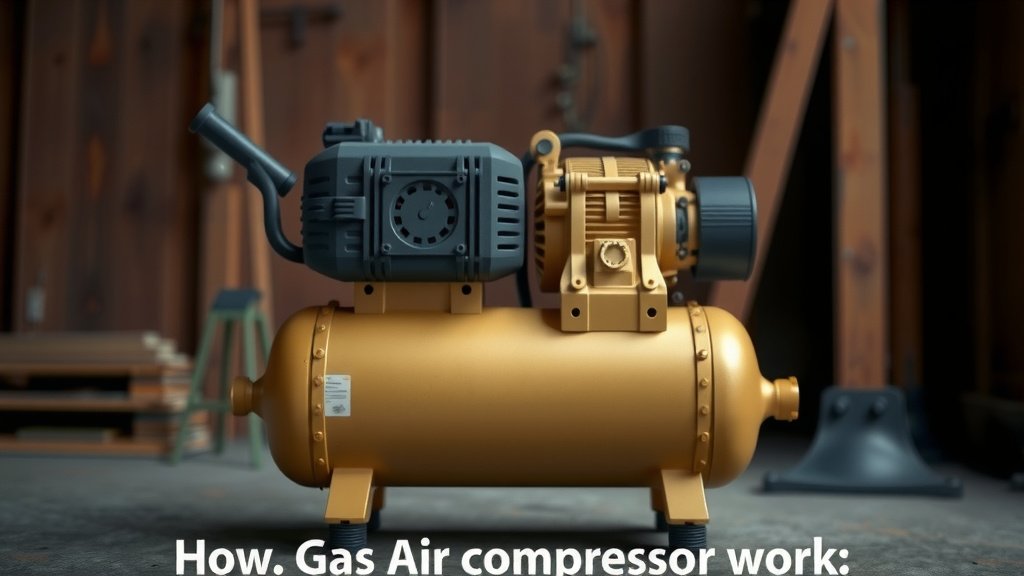
How a Gas Air Compressor Works: A Detailed Look
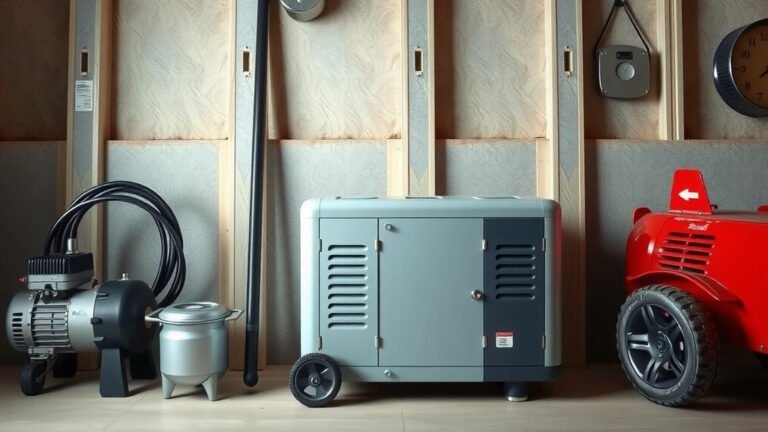
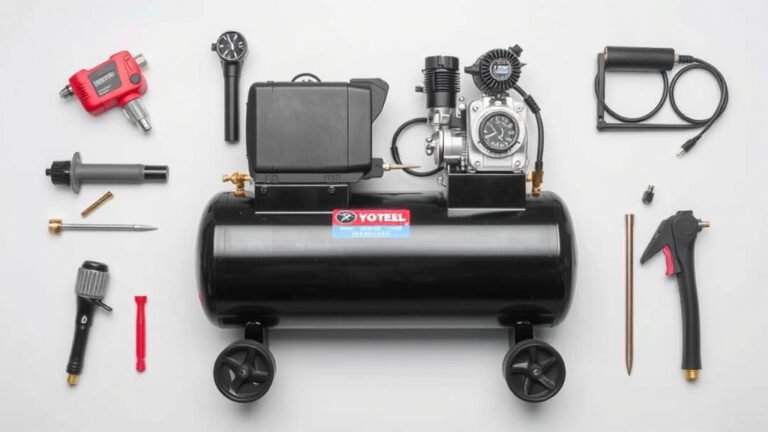
A gas-powered air compressor works by using a small engine to drive a pump. This pump pulls in ambient air and compresses it. It then stores this compressed air in a tank for later use. You’ll find these powerful tools are essential for many jobs where electricity isn’t readily available.
When you need serious air power on the go, a gas compressor is your best friend. It’s like having a portable powerhouse for your tools. We found that these units are especially handy for construction sites or remote work. They offer freedom from power cords and reliable performance.
- Gas compressors use an engine to power a pump.
- The pump squeezes air into a storage tank.
- This stored air can then power your air tools.
- They are ideal for locations without electricity.
Ready to understand how this handy machine brings air power to your worksite? Let’s walk through exactly how a gas-powered air compressor gets the job done, step by step.
Understanding How a Gas-Powered Air Compressor Works
A gas-powered air compressor is a robust machine. It uses a small engine to compress air. This compressed air is then stored for use. You’ll often see them on construction sites. They are especially useful where electricity is not available.
The Engine: The Heart of the Compressor
At its core, your gas air compressor relies on an engine. This is usually a small, gasoline-powered motor. Think of it like the engine in a lawnmower or a generator. It provides the rotary power needed to drive the air compression process. Most engines are designed to be durable. They can run for extended periods to get your job done.
Fueling the Engine
Just like any gasoline engine, yours needs fuel. You’ll typically fill a fuel tank with unleaded gasoline. It’s always a good idea to check your owner’s manual for the correct fuel type. Using the wrong fuel can damage the engine. We found that keeping a clean fuel supply is important for smooth operation.
Ignition and Power Generation
The engine starts with a pull cord or an electric start. Once running, it generates rotational energy. This energy is transferred to other parts of the compressor. The engine’s speed is usually adjustable. This allows you to control the amount of air being compressed. More speed means more air.
The Air Compression Process: Squeezing the Air
The engine’s power is directed to the air pump. This is where the magic of compression happens. The pump is designed to draw in surrounding air and reduce its volume. There are a few common types of pumps used in gas compressors.
Types of Air Pumps
Most gas air compressors use a reciprocating piston pump. This design is similar to how car engines work. A piston moves back and forth inside a cylinder. As the piston moves down, it draws air into the cylinder. As it moves up, it squeezes that air, increasing its pressure. Many of these are single-stage or two-stage pumps.
Single-Stage vs. Two-Stage Compression
A single-stage pump compresses air once. It takes ambient air and increases its pressure to the desired level. A two-stage pump compresses air in two steps. It first compresses air in one cylinder, then sends it to a second, smaller cylinder for further compression. We found that two-stage pumps can achieve higher pressures and are often more efficient for demanding tasks.
How Air is Drawn In
The pump has intake valves. These valves open to allow outside air into the pump cylinder. As the piston moves, it creates a vacuum. This vacuum pulls the air in. It’s a simple, yet effective, way to get air into the system. Many units also have air filters here. These filters keep dust and debris out of the pump. This is vital for the longevity of the compressor.
The Compression Stroke
When the piston moves in the opposite direction, the intake valves close. The air inside the cylinder is now trapped. The piston continues to move, reducing the space available for the air. This action forces the air molecules closer together. This increases the air’s pressure and temperature. It’s the core of how your compressor works.
Storing the Compressed Air: The Tank
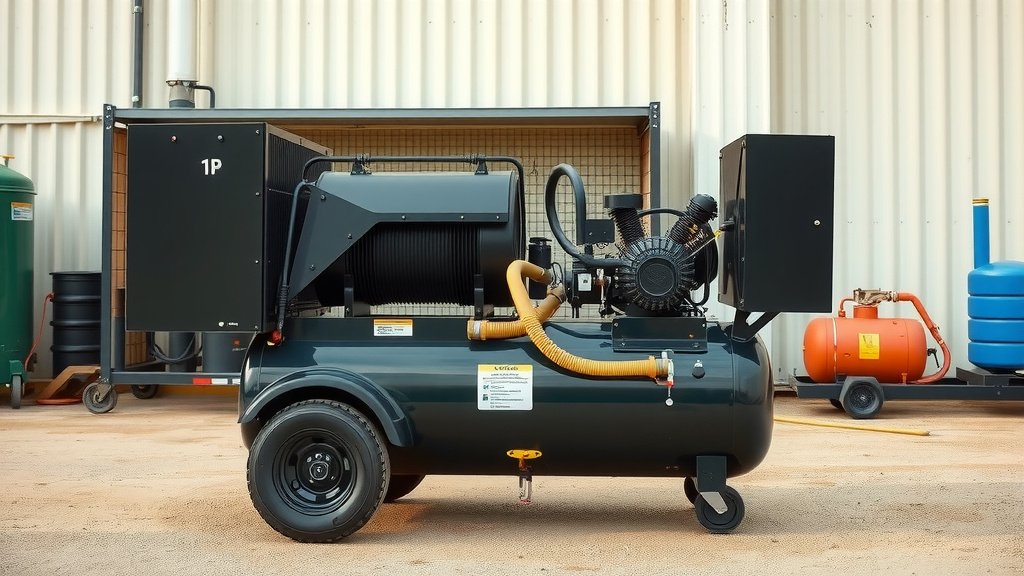
Once the air is compressed, it needs a place to be stored. This is the role of the air receiver tank. Think of this tank as a reservoir for your pressurized air. It’s a sturdy metal container designed to hold air at high pressures safely.
Transferring Air to the Tank
After being compressed by the pump, the air passes through an outlet valve. It then travels through a hose or pipe into the air tank. As air enters the tank, the tank’s internal pressure rises. The air is now ready for use by your tools.
Pressure Regulation and Safety
Your compressor tank has a pressure switch. This switch monitors the air pressure inside the tank. When the pressure reaches a predetermined level, it tells the engine to shut off. This prevents over-pressurization. There’s also a pressure relief valve. This is a safety device. It will automatically vent air if the pressure gets too high. We found that understanding these pressure controls is key to safe operation.
Using the Compressed Air
With compressed air stored in the tank, you’re ready to power your tools. An outlet valve on the tank allows you to connect an air hose. This hose connects to your pneumatic tools, like nail guns, impact wrenches, or sanders.
Controlling Airflow and Pressure
You’ll find a regulator on your compressor. This allows you to adjust the air pressure going to your tool. Different tools require different pressure levels. For example, a delicate inflator needs less pressure than a heavy-duty impact wrench. We found that setting the correct pressure ensures your tool works properly and safely.
When the Tank Empties
As you use air, the pressure in the tank drops. When it falls below a set point, the pressure switch turns the engine back on. The pump then starts compressing more air. This process continues automatically, ensuring you always have air available. It’s a cycle of compression, storage, and use. Many units will have a gauge showing the tank pressure and another showing the regulated pressure.
Here’s a quick checklist to remember the key components:
- Engine: The power source, typically gasoline-driven.
- Air Pump: Compresses ambient air into a smaller volume.
- Intake Filter: Keeps dirt and debris out of the pump.
- Air Tank: Stores the compressed air.
- Pressure Switch: Controls when the engine turns on and off.
- Regulator: Adjusts air pressure to your tools.
Conclusion
You’ve now seen how a gas-powered air compressor transforms simple gasoline into the powerful compressed air your tools need. From the engine igniting fuel to the pump squeezing air into a sturdy tank, each step plays a vital role. You can trust this robust system to provide air power wherever you are. Your next step? Ensure you have the right tools and accessories ready to connect to your compressor. This way, you’ll be prepared for your next project, no matter how remote the location.
Frequently Asked Questions
How often should I change the oil in my gas air compressor engine?
We researched this, and for most gas air compressors, changing the engine oil every 50 hours of operation or annually is recommended. Always check your owner’s manual for the exact service interval. Keeping the oil fresh is key to engine longevity.
What is the purpose of the air intake filter on a gas compressor?
The air intake filter prevents dust, dirt, and other debris from entering the compressor pump. We found that a clean filter is essential for preventing wear on the pump’s internal components. This helps ensure your compressor runs smoothly and lasts longer.
Can I use any type of gasoline in my gas air compressor?
Generally, you should use unleaded gasoline as specified in your owner’s manual. Using the wrong type of fuel can damage the engine. We found that keeping your fuel source clean also prevents system clogs.
Why does my compressor’s engine shut off automatically?
Your compressor has a pressure switch that monitors the air pressure in the tank. When the tank reaches its maximum set pressure, this switch signals the engine to shut off. This prevents over-pressurization and saves fuel. The engine will restart when the pressure drops.
How do I adjust the air pressure for my tools?
You’ll use the regulator valve, usually found on the tank’s outlet. Turn the knob on the regulator to increase or decrease the pressure. We found that setting the correct pressure ensures your air tools operate efficiently and safely. Always consult your tool’s manual for its specific pressure requirements.