How Long Can You Leave Air in an Air Compressor
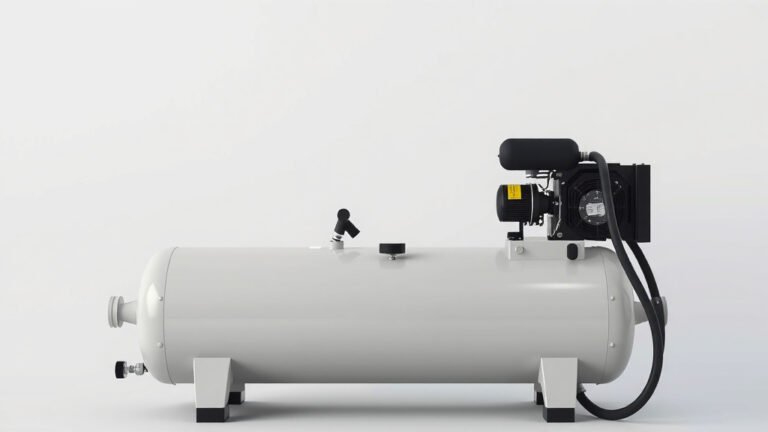
You can generally leave air in a compressor tank for a short period, but it’s not recommended for the long term. Storing compressed air long-term can lead to moisture buildup and potential tank corrosion, which might damage your tools.
Many DIYers and professionals wonder about the best practices for their air compressors. We found that while a compressor can hold pressure, regular draining is key for optimal performance and longevity. Ignoring this can create headaches down the road.
- Drain your tank regularly.
- Moisture is the main enemy.
- Rust can form inside the tank.
- This can damage your tools.
Let’s dive into why draining your air compressor tank is so important and how often you should be doing it.
So, you’re wondering about leaving compressed air in your compressor tank. It’s a question many of us have when we finish a project or when the compressor just sits there, full of potential energy. We’ve looked into it, and the short answer is: yes, you can leave air in your compressor tank, but it’s really not the best idea for extended periods.
Storing Compressed Air: What You Need to Know
Think of your air compressor like a gas tank for your tools. You wouldn’t leave a car with a full tank of gas sitting for months without any checks, right? The same principle applies here, with a few key differences.
The Immediate Answer: Can It Sit Full?
Absolutely. Your compressor is designed to hold air pressure. If you shut it off while it’s at pressure, it will stay that way for a while. It’s like a sealed balloon – the air stays inside.
However, “can it” is different from “should you.” We found that regularly topping off your tank and leaving it pressurized for weeks on end isn’t ideal. There are some downsides you’ll want to be aware of.
The Real Problem: Moisture Buildup
The biggest enemy of your air compressor, and the reason why leaving air in the tank long-term is discouraged, is moisture. It’s a natural byproduct of the compression process.
When air is compressed, its temperature rises. As the air cools down inside your tank, the water vapor it contains condenses into liquid water. It’s a bit like how dew forms on the grass overnight – warmer, moist air meets a cooler surface, and the water has nowhere to go but down. For your compressor, that means collecting in the bottom of the tank.
Why Is Moisture So Bad?
This collected water can lead to a host of problems:
- Rust and Corrosion: The inside of your metal tank will start to rust. Over time, this can weaken the tank and create particles that get into your air supply.
- Tool Damage: That rust, along with any condensed water, can get blown into your air tools. This is bad news for delicate internal components, leading to wear and tear, or even outright failure.
- Performance Issues: A tank with rust and sediment might not hold pressure as efficiently. You might find your compressor working harder or not reaching its full potential.
How Much Water Are We Talking About?
It varies depending on the humidity of your environment and how much you use the compressor. But even in dry climates, some condensation is inevitable with every use. We found that after just a few hours of use in a moderately humid environment, you might have a noticeable amount of water in your tank.
How Often Should You Drain Your Compressor?
This is where we get to the practical advice. You want to make a habit of draining your tank, but how often?
After Every Use – The Golden Rule
The simplest and most effective practice is to drain your air compressor tank after every single use. This ensures that any moisture that condensed during operation is immediately removed before it has a chance to sit and cause problems.
It might sound like a hassle, but it takes mere seconds. You just need to open the drain valve at the bottom of the tank. Many people find it helpful to make this the last step of their workflow, just like putting away your tools.
Minimum Recommendations
If draining after every use feels impossible due to your work schedule, aim for at least a weekly drain, especially if you use it frequently. However, we found that neglecting this for longer than a week or two can start to allow significant moisture buildup in many conditions.
Here’s a quick rundown of what we found:
| Usage Frequency | Recommended Draining Schedule |
|---|---|
| Daily or Multiple Times Weekly | After each use, or at least once a day |
| Weekly | At least once a week, preferably after use |
| Infrequent (Monthly or Less) | Before each use, and after if water is visible |
Factors Affecting Moisture Buildup
Several things can influence how quickly water collects:
- Ambient Humidity: Higher humidity means more water vapor to condense.
- Temperature Changes: Big swings between operating temp and ambient temp increase condensation.
- Compressor Duty Cycle: Running the compressor for longer periods generates more heat and thus more condensation.
Quick Checklist for Compressor Care
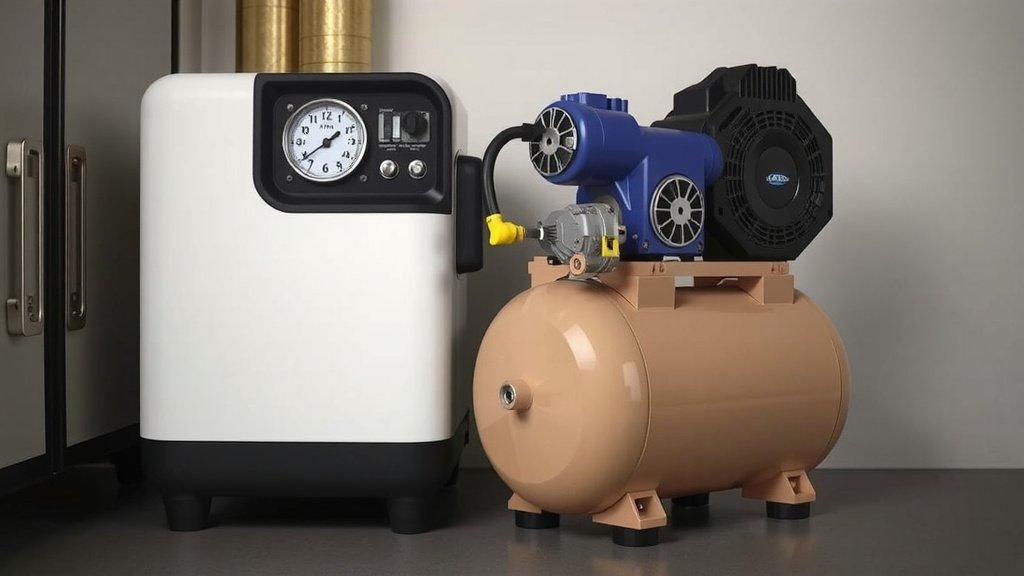
To keep your air compressor in tip-top shape, make these a regular part of your routine:
- Drain the tank: After every use is best.
- Check the drain valve: Ensure it’s not clogged.
- Inspect for leaks: Listen for any hissing sounds.
- Clean the air filter: A dirty filter hinders performance.
- Store properly: Keep it in a dry, clean area.
Conclusion
So, you’ve learned that while your air compressor can hold air pressure, leaving it full long-term isn’t the best practice. The real culprit is moisture buildup, which can lead to rust and damage your tools. We found that making a habit of draining your tank, ideally after every use, is the most effective way to prevent these issues and keep your equipment running smoothly.
This simple step takes just seconds and will significantly extend the life of your compressor and connected tools. Make it part of your routine, and you’ll avoid headaches down the road. Your tools will thank you!
Frequently Asked Questions
Will leaving air in my compressor tank for a few days cause problems?
Leaving air in your tank for just a few days typically won’t cause major issues. However, we found that even short periods can start the moisture condensation process. It’s best to drain it as soon as reasonably possible to be safe.
Can I leave my compressor pressurized overnight?
Yes, leaving your air compressor pressurized overnight is generally fine. The primary concern is long-term storage where moisture has more time to collect and cause corrosion. Draining it after each use remains the ideal practice.
What happens if I never drain my air compressor?
If you never drain your compressor, you risk significant moisture buildup. This can lead to internal rust, which can then contaminate your air supply, potentially damaging sensitive air tools. Your compressor’s lifespan might also be shortened.
How do I properly drain my air compressor tank?
Locate the drain valve, usually found at the very bottom of the tank. Place a container underneath it, and slowly open the valve. Let all the air and any water escape until only air is coming out, then close the valve.
Is it bad to store my air compressor with no air in the tank?
Storing your compressor with no air is perfectly fine, and in fact, it’s often recommended if you won’t be using it for an extended period. This completely eliminates the risk of moisture buildup during storage.