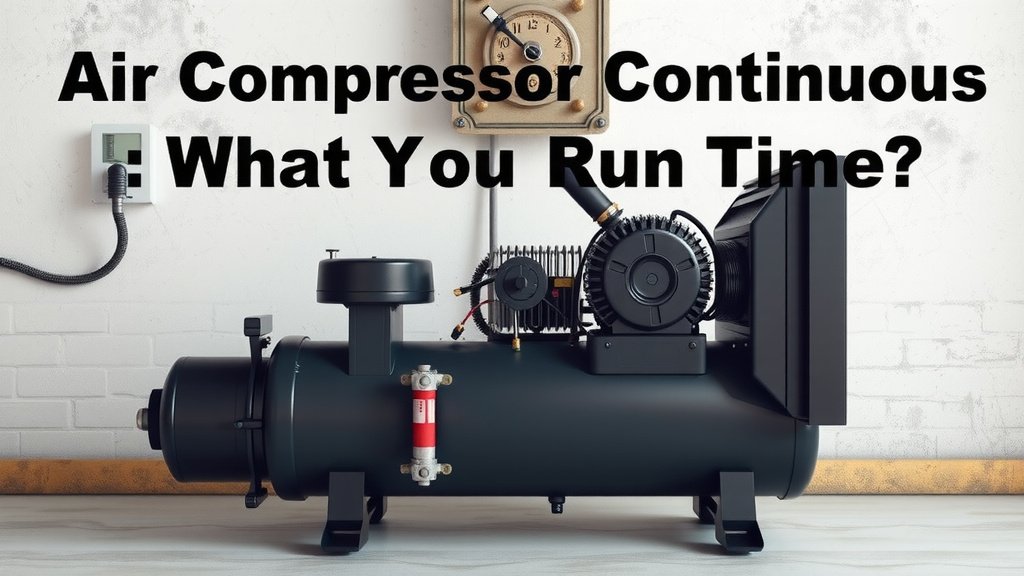
Air Compressor Continuous Run Time: What You Need to Know
How long can an air compressor run continuously? For most home or light-duty air compressors, running them continuously for extended periods isn’t recommended. They typically need breaks to cool down to prevent overheating and damage to the motor and pump. Short bursts of operation, like inflating tires or using a nail gun, are perfectly fine, but think hours on end and you’re pushing it.
The runtime limit really depends on the compressor’s design and size The compressor’s design and size, including the number of cylinders, directly impacts its continuous run time capabilities.. Larger, industrial units are built for sustained use. Smaller, portable compressors are designed for intermittent tasks. Pushing a smaller compressor too hard can lead to premature wear and tear, much like over-revving your car engine on a long road trip.
- Continuous running depends on your compressor type.
- Small compressors need breaks to cool down.
- Overheating can cause damage and shorten lifespan.
- Larger units are built for longer, continuous operation.
Let’s dive into the specifics of what affects your air compressor’s run time and how you can keep it happy and healthy.
Understanding Your Air Compressor’s Uptime Limits
So, how long can you actually run your air compressor before it starts to protest? The answer isn’t a simple number, as it truly depends on the type and size of your compressor.
Think of it like asking how long a car can drive. A small sports car has different limits than a large truck. Your air compressor is no different. We’ll break down what factors influence its runtime.
The Heart of the Matter: Compressor Types and Their Duty Cycles
The most important factor is your compressor’s duty cycle. This tells you how long a compressor can run within a 10-minute period without overheating. It’s a key indicator of its intended use.
Portable and Small Compressors: The Weekend Warriors
Most air compressors you find at home improvement stores are designed for intermittent use. These are your portable pancake compressors, small shop compressors, and the like. They are perfect for quick jobs.
We found that these typically have a duty cycle of around 50%. This means, in a 10-minute window, they can run for about 5 minutes. They need that other 5 minutes to cool down and rest. Running them longer than this is like asking a sprinter to run a marathon – they just aren’t built for it and will likely overheat.
Larger, Stationary Compressors: The Marathon Runners
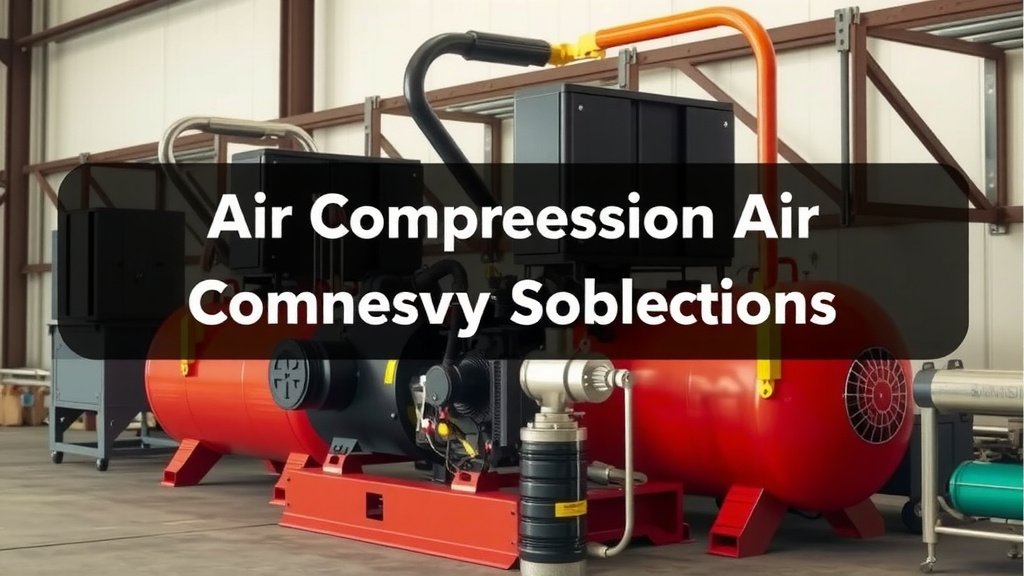
Now, if you have a larger, stationary or industrial-grade air compressor, you’re likely looking at a much higher duty cycle. These units are built for sustained operation.
Many of these heavy-duty models boast a 75% to 100% duty cycle. A 100% duty cycle compressor can, in theory, run continuously. However, even these robust machines benefit from occasional breaks and proper maintenance to ensure their longevity. They are designed for tasks that demand prolonged airflow, like running multiple pneumatic tools all day long.
Key Components That Affect Runtime
Beyond the overall duty cycle, several specific parts and conditions play a big role in how long your compressor can operate. Understanding these helps you manage its use effectively.
The Motor: The Engine of Your Compressor
The electric motor is the powerhouse. If it overheats, it can sustain serious damage. Smaller compressors often use less robust motors designed for short bursts. Larger units use more powerful, more durable motors built for continuous work.
Heat buildup in the motor is a primary reason for runtime limitations. Proper ventilation around the compressor is essential to dissipate this heat. If the motor fan isn’t working correctly, or if the unit is in a confined space, it will heat up much faster.
The Pump: Compressing the Air
The pump is what actually compresses the air. It works hard, generating heat through friction and compression. The materials used in the pump and its design greatly influence how long it can run.
Oil-lubricated pumps tend to run cooler and last longer than oil-free designs. This is because the oil helps with lubrication and heat transfer. However, oil-free compressors are often lighter and require less maintenance, making them popular for portability.
Cooling Systems: Keeping Things Chill
Compressors have various ways to stay cool. Air compressors use cooling fins on the pump and motor to dissipate heat. Some larger units might even have dedicated cooling fans or intercoolers/aftercoolers to manage temperature. The effectiveness of these cooling systems directly impacts how long the compressor can run.
We found that a clean air intake is also critical. If the air filter is clogged, the compressor has to work harder to pull in air, generating more heat. Regular cleaning or replacement of air filters is a simple yet vital maintenance step.
Tank Size: The Air Reservoir
While the tank size doesn’t directly limit how long the motor and pump can *run*, it significantly affects the *perceived* runtime for your tools. A larger tank means the compressor doesn’t need to kick on as often to refill it. While tank size doesn’t limit motor runtime, it affects how often the compressor needs to refill, influencing perceived runtime.
This is especially true for tools that use air in short, powerful bursts, like nail guns. A small tank might mean the compressor cycles on and off frequently, potentially leading to overheating if the overall duty cycle is exceeded. A larger tank provides a buffer, allowing for longer periods of tool use between compressor cycles. It’s about managing the demand for air.
Factors Affecting How Long *Your* Compressor Can Run
Beyond the design, what you’re doing with the compressor matters. Are you just topping off tires, or are you running a sandblaster all afternoon?
The Tool’s Air Demand
Some tools are air hogs. A framing nailer uses air intermittently but in larger volumes. A continuous spray painter, on the other hand, demands a steady, high volume of air.
We found that matching your compressor to the tool’s air requirements (measured in CFM or cubic feet per minute) is crucial. If your tool demands more CFM than your compressor can deliver continuously, the compressor will run constantly, trying to keep up. This will quickly lead to overheating, especially with smaller units.
Ambient Temperature and Ventilation
Where you operate your compressor makes a difference. Running a compressor in a hot garage on a summer day is very different from running it in a cool basement. Higher ambient temperatures mean the compressor has to work harder to cool itself down.
Poor ventilation is another major culprit. If the compressor is crammed in a corner or covered by other items, the hot air can’t escape. This trapped heat accelerates overheating. Always ensure there’s plenty of space around your compressor for air to circulate freely.
Maintenance is Your Best Friend
Just like your car needs oil changes, your air compressor needs attention. Regular maintenance ensures all parts are working efficiently and helps prevent issues that lead to overheating.
We found that tasks like checking the oil level (for lubricated models), cleaning or replacing air filters, and ensuring belts are properly tensioned are essential. A well-maintained compressor will perform better and last much longer.
When in Doubt, Let It Rest!
The easiest way to avoid issues is to pay attention to your compressor. If it feels excessively hot to the touch, or if you notice a burning smell, stop immediately. Give it plenty of time to cool down completely before attempting to use it again.
Here’s a quick rundown for keeping your compressor happy:
- Read the manual for specific runtime recommendations.
- Listen for unusual noises.
- Feel for excessive heat buildup.
- Ensure good ventilation around the unit.
- Don’t push it beyond its duty cycle.
- Perform regular maintenance checks.
Conclusion
You’ve learned that an air compressor’s continuous runtime isn’t a one-size-fits-all answer. It heavily depends on its duty cycle, motor, pump, and cooling systems. Smaller compressors are built for shorter bursts, needing breaks to avoid overheating. Larger units can handle longer operations but still benefit from proper care and ventilation. By understanding these factors and performing regular maintenance, you can ensure your air compressor performs reliably and lasts longer. Always prioritize your compressor’s health; if it feels too hot or sounds strained, give it a much-needed rest.
Frequently Asked Questions
Can I run my small air compressor all day?
Generally, no. Most small, portable air compressors have a 50% duty cycle, meaning they can run for about 5 minutes out of every 10. Running them continuously for hours will likely cause the motor and pump to overheat and sustain damage.
What does a 100% duty cycle mean for my compressor?
A 100% duty cycle compressor is designed to run continuously without overheating. These are typically larger, industrial-grade units built for demanding, sustained tasks. Even so, occasional breaks and proper maintenance are still recommended for maximum longevity.
How can I tell if my air compressor is overheating?
Pay attention to the unit’s temperature. If the motor or pump feels excessively hot to the touch, or if you notice a burning smell, it’s a clear sign of overheating. Unusual noises can also indicate stress on the components.
Does a bigger air tank let my compressor run longer?
A larger tank doesn’t extend the *motor’s* continuous runtime but allows for longer periods of tool use between the compressor cycling on. This buffer can reduce how often the compressor runs, indirectly preventing it from reaching its duty cycle limit as quickly.
Is ventilation really that important for my compressor’s runtime?
Yes, excellent ventilation is crucial. Proper airflow allows the compressor’s cooling systems to dissipate heat effectively. Cramped spaces or poor ventilation trap heat, forcing the compressor to work harder and significantly reducing its potential runtime before overheating.